Guides / Classrooms and groups
Classroom photo consent: FERPA basics and a sample release form
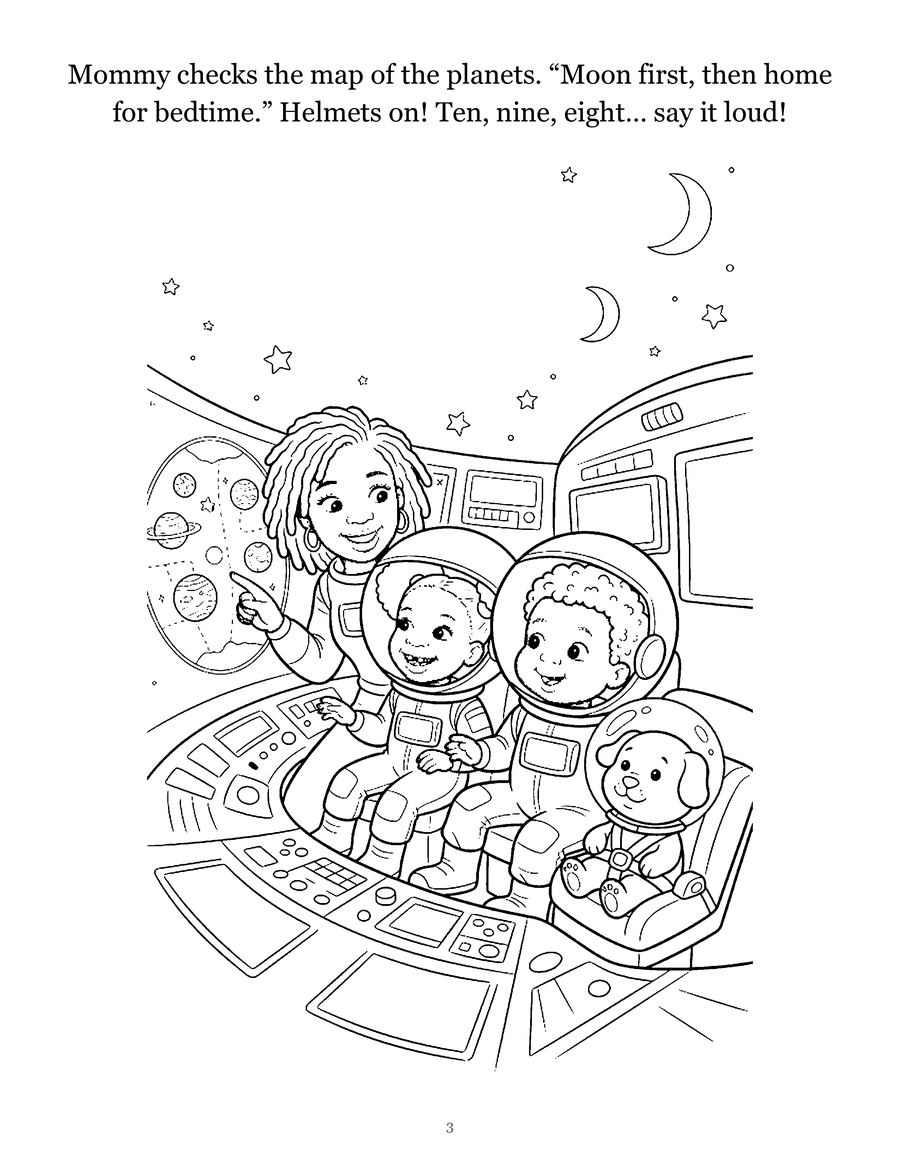
If a class project uses photos of individual children (a class book, a coloring page drawn from each child's photo, a bulletin board), send a short written permission note to every family before you take or collect a single photo, even if your school already has a general photo policy. Under FERPA, the federal student privacy law, a photo can count as directory information that parents may opt out of, and a photo that focuses on one child can be part of that child's education record. The note costs you ten minutes. This page explains the basics and gives you a sample to copy. It is general information for teachers and room parents, not legal advice: your school or district has the final word.
What FERPA says about photos
Three pieces of the law matter for a class project.
A photo can be an education record. The Department of Education's Student Privacy Policy Office says a photo or video is an education record when it is directly related to a student and maintained by the school or someone acting for it. One factor it lists is whether the person taking the photo intends to make a specific student the focus, with ID photos as the example. The same FAQ says a student who is only in the background, or shown at a public school event without a focus on any one person, generally is not "directly related." A class book page built around one child's face is much closer to the ID photo than to the crowd shot.
Photos can be directory information. The FERPA regulations define directory information as information that would not generally be considered harmful or an invasion of privacy if disclosed, and the list includes a student's name, photograph, and date and place of birth, among others. A school can share properly designated directory information without consent, but only after giving parents public notice of what it designates and their right to refuse to let the school designate any or all of it. So the office keeps a list of families who opted out. Ask for it before you plan anything.
Otherwise, consent is written and specific. Outside the exceptions, FERPA requires a signed and dated written consent that names the records, the purpose and who will receive them. The same rule allows the signature to be electronic if it identifies the person. That is a good model for a classroom note even where it is not strictly required: say what, why and who.
Does FERPA apply to your program?
Not every early childhood program is covered. The regulations apply to an educational agency or institution to which funds have been made available under any program administered by the Secretary of Education. The Department's parent guide adds that private and faith-based schools at the elementary and secondary levels generally do not receive such funding and are generally not subject to FERPA.
In practice:
| Program | FERPA likely? | What to check |
|---|---|---|
| Public school pre-K or kindergarten | Yes | District photo policy and the directory information opt-out list |
| Private preschool or daycare with no Department of Education funding | Often no | The center's own photo policy, enrollment forms and any state child care rules |
| Faith-based school | Generally no, per the parent guide | The school's policy |
| Program that receives some Department of Education funds | Ask | The director or district |
Whether or not FERPA applies, the same written note is the fair answer. Families trust a program that asks.
What a good permission note says
Keep it to half a page, in plain language, with a real choice.
- What the photo is for. "One coloring page of your child in our class book," not "classroom use."
- Who will see it. The families in this class, the teacher, and any service that turns photos into pages.
- Where it will not go. No social media, no public website, no school newsletter, unless you ask separately.
- What appears with it. First name only. No last name, birthday or school name.
- How long you keep it. "Photos will be deleted when the book is finished."
- A clear yes and a clear no. Two checkboxes, a signature and a date.
- The alternative. Children without a yes get a self-portrait page, so nobody is left out.
A sample note to copy
Dear families,
This spring our class is making a coloring book with one page for every child. To draw your child's page, we would like to use one photo of them, taken at school or sent by you.
The book will be shared only with the families in our class. Your child will be named by first name only. We will not post the photo or the page online or share it outside the class without asking you again. If we use a service to turn photos into coloring pages, the photo goes only to that service for this project. Photos will be deleted when the book is finished.
Your child will have a page either way: children without a photo will draw a self-portrait for their page.
[ ] Yes, you may use one photo of my child for the class coloring book. [ ] No, please have my child draw a self-portrait page instead.
Child's first name: _ Parent or guardian signature: _ Date: __
Adjust it to your project and run it past your director or office before it goes home.
Handling the edge cases
- A family says no. Accept it without follow-up questions and give the child the self-portrait option. Treat it as final for that project.
- A family on the opt-out list says yes on your note. Their written yes for this specific project is clear, but tell the office so the records match.
- Group shots. A wide shot of the class at the pumpkin patch is a different thing from a portrait, but if any family has opted out, crop or retake rather than guess.
- Photos on your personal phone. Move them to wherever your school says student photos belong and delete them from your phone when the project is done.
- Outside apps and services. Ask your school before uploading student photos to any website or app. Check how long the service keeps photos and who can see them.
Projects this applies to
Most of the projects in our classroom guides use photos at some point: a class coloring book, a class memory book and all about me coloring pages. Each of them also works without photos, which is the best backup plan for any family that says no.
If you use a photo service for a class book, the same note covers it. Colorkin's Classroom Edition, for example, uses one photo per child, and photos are deleted 30 days after delivery. Only send photos families have said yes to.
More guides for teachers and room parents are in classrooms and groups.
Questions parents ask
Do teachers need parent permission to photograph students?
For a class project built around individual children, ask in writing even if the school has a general photo policy. Under FERPA a school may share photos designated as directory information unless a parent opted out, so check the opt-out list first. This is general information, not legal advice.
Is a student photo directory information under FERPA?
It can be. The FERPA regulations list a photograph among the types of information a school may designate as directory information, after telling parents and giving them a chance to opt out.
Does FERPA apply to private preschools and daycares?
FERPA applies to schools and agencies that receive funds under a U.S. Department of Education program. The Department's parent guide says private and faith-based elementary and secondary schools generally do not, so many private programs are outside it. Check your own center's policy and state rules.
What should a classroom photo release form include?
What the photo is for, who will see it, where it will and will not be shared, how long it is kept, a clear yes and no option, and a signature and date. Offer a no-photo alternative so no child is left out.
See your own family on a page, free
Planning a class book with photos once permission slips are back? Send one photo you have consent for and we will draw a free sample page so you can see the result first.
Get a free sample page- U.S. Department of Education, Student Privacy Policy Office: FAQs on Photos and Videos under FERPA
- 34 CFR 99.3, FERPA definitions including directory information (eCFR)
- 34 CFR 99.30, Prior written consent to disclose information (eCFR)
- 34 CFR 99.37, Conditions for disclosing directory information (eCFR)
- 34 CFR 99.1, To which educational agencies or institutions these regulations apply (eCFR)
- U.S. Department of Education, A Parent Guide to the Family Educational Rights and Privacy Act (FERPA)
More in Classrooms and groups
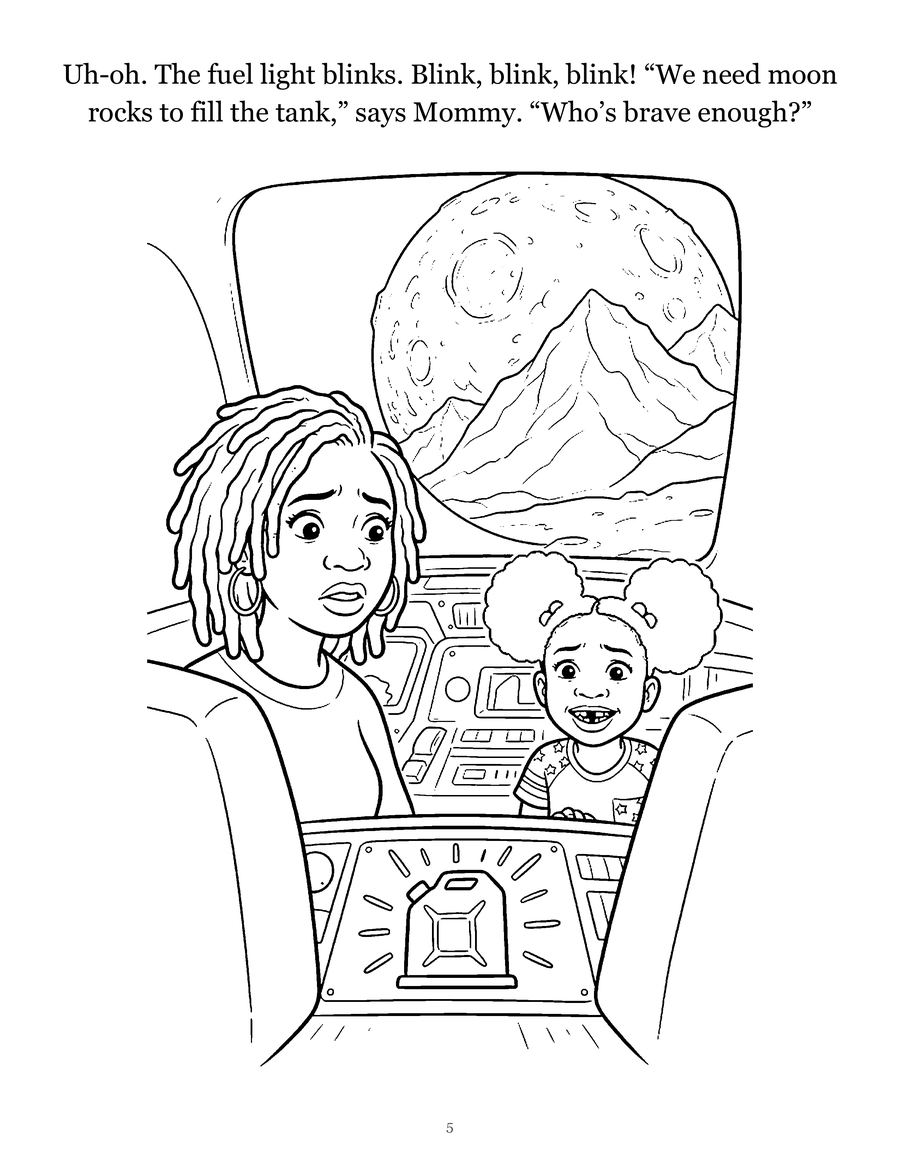
Teacher gift from the class: group ideas that are not a mug
How to organize a group teacher gift from the class: what to buy, how to collect money fairly, gift rules for public school staff, and keepsakes the kids make.
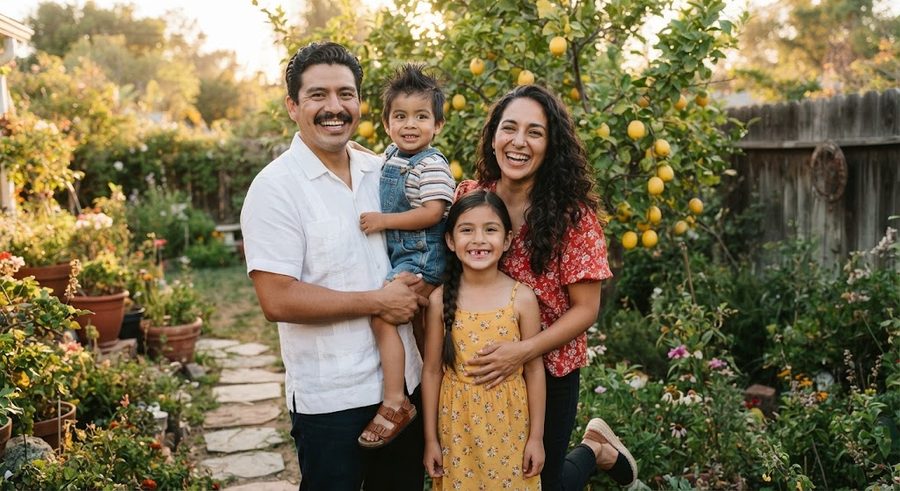
Sunday school coloring pages and a class coloring book
Sunday school coloring pages that fit the lesson, how to make a class coloring book of your group, photo permission for church kids, and class gift ideas.
Scout troop keepsakes and end-of-year gifts for kids' clubs
End-of-year gift ideas for a Daisy troop, Lion den or kids' club: a troop book, patch displays, bridging gifts, photo cards, and how to handle photo permission.