Guides / Classrooms and groups
How to make a class coloring book: a free DIY way and a paid one
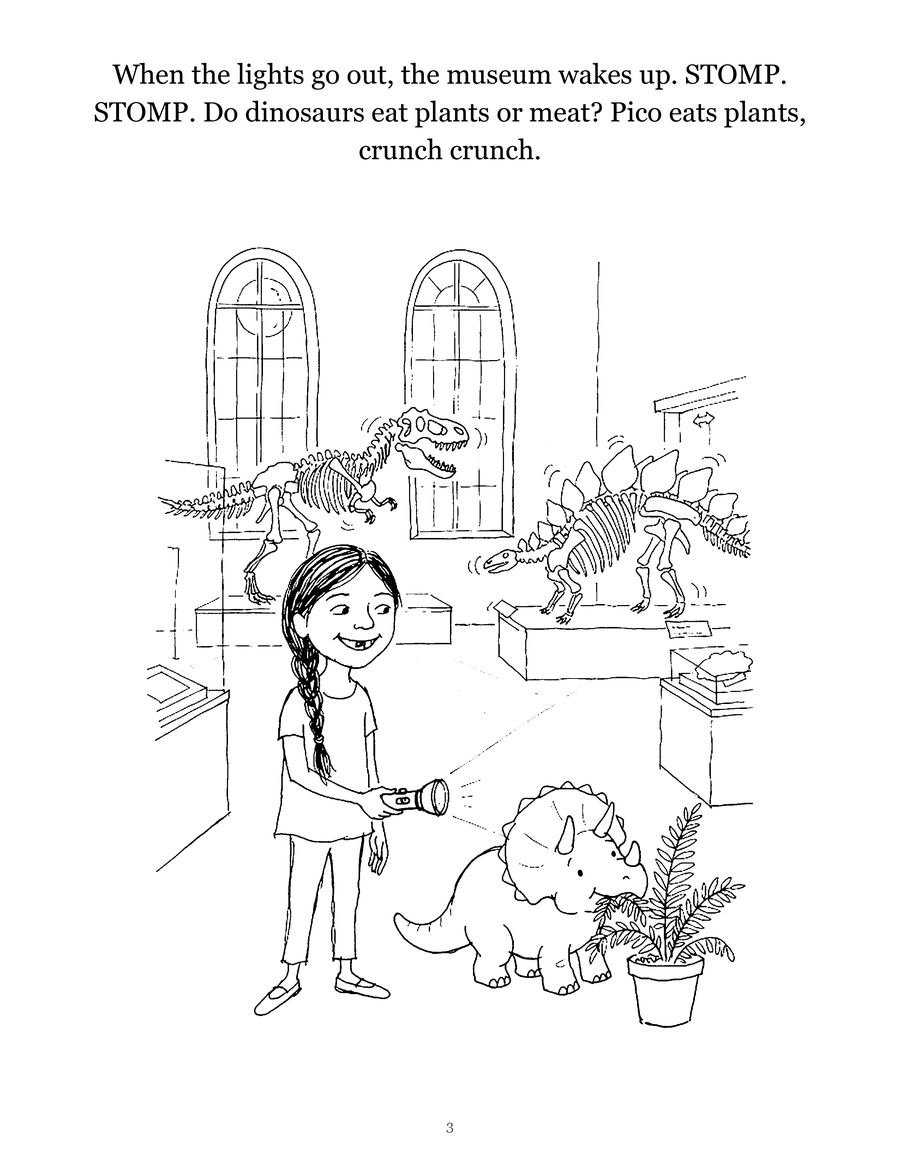
A class coloring book is one page per child, copied so every family takes home the whole class. The free way to make one: have each child draw a big, bold self-portrait on the same template page (or trace a photo of each child into simple line art), photocopy one set per student, add a cardstock cover and staple it. You need a black marker, a copier and an afternoon. The paid way is to send photos to a service that turns each child into a coloring page for you. Either way, sort out photo consent before anyone picks up a camera.
Kids like coloring people they know, not just themselves. A class book works on that idea: kids want to color their friends.
Three free ways to make the pages
1. Student self-portraits (no photos at all). Every child gets the same template: a big empty frame in the middle of the page and a line at the bottom for "My name is ___ and I like ___." They draw themselves in pencil, then trace over it with a thick black marker. Uncolored, those portraits are already a coloring page. This is the easiest version to run and the safest one for privacy, because there are no photos to manage.
2. Traced photo pages. Take a clear, front-facing photo of each child (with written permission, see below), print it light, lay a sheet of paper over it on a window or light box, and trace the outline with a fine black marker. Skip the shading. Faces, hair, clothes and maybe one prop (a ball, a favorite stuffed animal) is enough. There are also free ways to turn a photo into line art on a computer or phone; our guide to turning a photo into a coloring page for free walks through them.
3. A themed class story. Pick one setting, like "Our class goes to the zoo" or "What I want to be," and give every child the same scene template with an empty spot for them. Each child draws themselves into the scene and dictates one sentence. Read in order, the pages tell a story.
Whichever you pick, keep the lines thick. Thin pencil lines disappear on a photocopier, and younger kids find small spaces frustrating to color.
Step by step: from template to stapled book
- Make one template. Letter-size paper, portrait orientation, a 1-inch margin on the left for binding, the child's first name printed at the top. Draw or type it once and copy a class set.
- Run the drawing in short sessions. Two or three 15-minute sessions beat one long one. Pencil first, marker second, and collect pages as they finish so nothing gets colored in by accident.
- Add a cover and a class page. The cover can be a group drawing or the class name in big outline letters. A first page listing the class (first names only) and the year makes it a keepsake.
- Check before you copy. Hold each page up and look for faint lines. Go over anything light with marker. Ask yourself whether every child would be happy with their page.
- Copy one set per child, plus a few spares. Single-sided is easier for coloring with markers, which bleed through thin paper. Cardstock covers make the book last.
- Bind it. Staples along the left edge work for up to about 20 pages with a long-reach stapler. Three-hole punch and a binder ring or yarn tie handles bigger books and lets families add pages later.
Most teachers send it home in the last week of school. If you want to give it as the class end-of-year gift, there are more ideas in end-of-year gifts for students.
Photo consent and privacy: the basics
If your book uses photos of children, treat consent as part of the project, not an afterthought. A few things worth knowing:
- FERPA counts photos. The federal student privacy law lists a student's photograph as a type of directory information. The Department of Education explains that a photo becomes an education record when it is directly related to a student and maintained by the school, and that photos where a specific student is the focus, like an ID photo, are examples of directly related. A class book page built around one child fits that description.
- Parents can opt out. Schools may share directory information only after telling parents what counts as directory information and their right to refuse to let the school designate any or all of it. Before you photograph anyone, ask the office for the opt-out list.
- It mostly covers schools that get federal education funds. The regulations apply to schools and agencies to which funds have been made available under a Department of Education program. Many private preschools and daycares are outside it, and some states and centers have their own rules. Either way, written permission from each family is the easy, fair answer.
What that looks like in practice:
- Send a short permission note that says exactly what the photo is for (one coloring page in a class book), who will see it (the families in the class), and that the photos will be deleted when the book is done.
- Offer a no-photo option. Any child whose family says no gets a self-portrait page, so nobody is left out and nobody is singled out.
- First names only. No last names, birthdays or school name inside the book.
- Keep it off the internet. Do not post pages to a class page or social media without a separate OK, and check with your school before uploading student photos to any outside app or website.
The paid option, and how it compares
If you would rather not trace 24 faces, several services make custom coloring pages from photos. Ours is the Colorkin Classroom Edition: $199 for up to 24 children, each child the star of a page in one class story, delivered as a PDF licensed for classroom printing within 5 business days of the last photo. Printed class copies are $9 each in batches of 10 or more. The pages are drafted with AI illustration tools from each child's photo, and a person checks every page for likeness and kindness before it goes out. Photos are deleted 30 days after delivery. The same consent rules apply: only send photos families have agreed to.
| Student self-portraits | Traced photo pages | Paid photo service | |
|---|---|---|---|
| Cost | Paper and copies | Paper and copies | A per-class fee plus printing |
| Your time | Low | High | Low (collecting photos) |
| Photos needed | No | Yes, with consent | Yes, with consent |
| Kids recognize themselves | In spirit | Usually | Usually |
| Best for | Pre-K to 2nd grade, any budget | Small groups, patient teachers | Busy end of year, large classes |
Honestly, the self-portrait book is the one I would start with. It costs almost nothing, every child gets a page, and the drawings say more about a class at age four than any photo.
For more classroom projects, see the classrooms and groups guides. If you want to make a bigger book at home with your own kids, our guide to making a coloring book from photos covers layout and printing in more detail.
Questions parents ask
What is a class coloring book?
A book with one page per child, usually a line drawing of that child or a page they drew themselves, copied so every family gets the whole class. Kids color their friends as well as themselves.
How do I make a class coloring book for free?
Have each child draw a self-portrait in thick black marker on a template page, or trace a photo of each child into simple line art. Photocopy one set per child, add a cardstock cover and staple or ring-bind it.
Do I need parent permission to use student photos?
Get it in writing for this project even if your school already lists photos as directory information. Parents can opt their child out of directory information under FERPA, so check that list first and offer a no-photo option.
How long does a class coloring book take?
The student-drawn version fits in about two weeks of short sessions plus an afternoon of copying and stapling. Traced photo pages take longer, mostly because consent forms take a while to come back.
See your own family on a page, free
Want to see how one of your students would look as a coloring page before you plan anything? Send one photo (with a parent's OK) and we will draw a free sample page.
Get a free sample page- U.S. Department of Education, Student Privacy Policy Office: FAQs on Photos and Videos under FERPA
- 34 CFR 99.3, FERPA definitions including directory information (eCFR)
- 34 CFR 99.37, Conditions for disclosing directory information (eCFR)
- U.S. Department of Education, Protecting Student Privacy: FERPA regulations, 34 CFR 99.1
More in Classrooms and groups
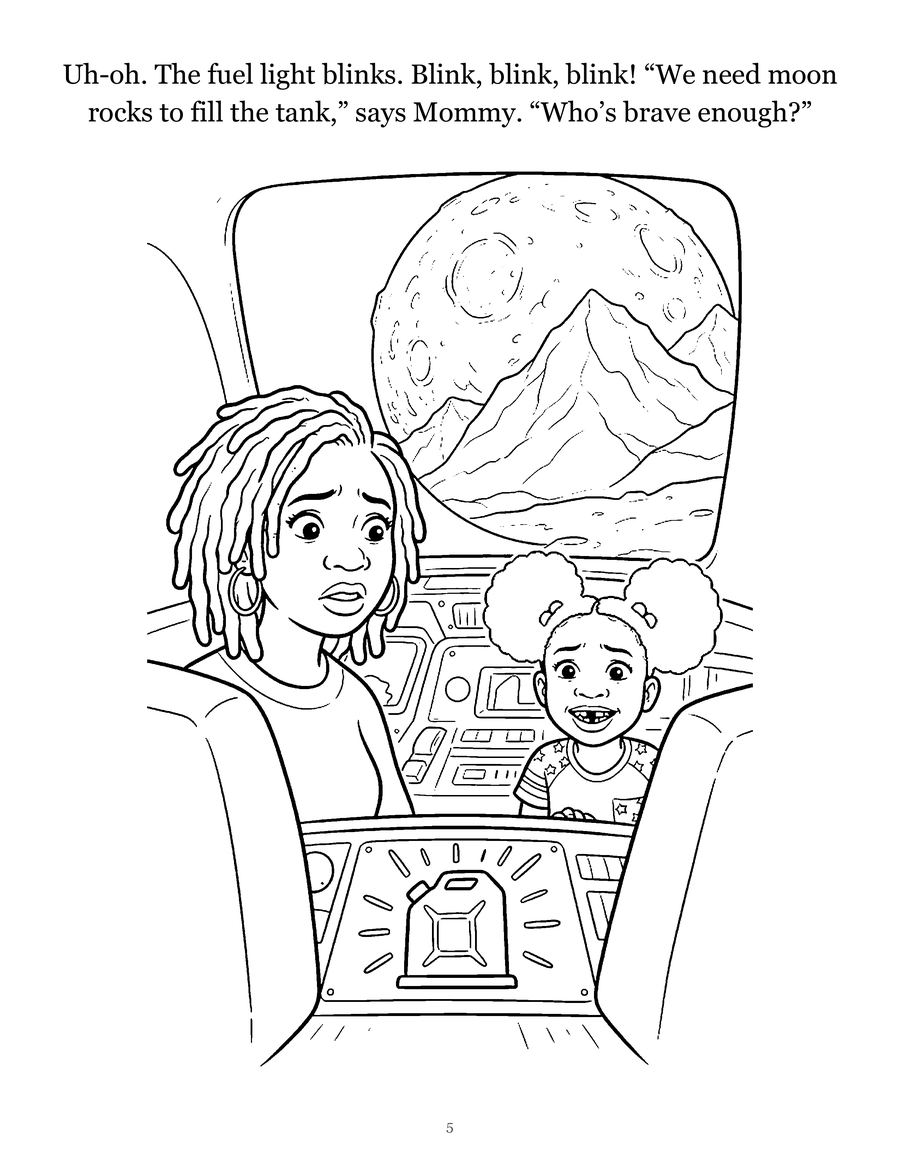
Teacher gift from the class: group ideas that are not a mug
How to organize a group teacher gift from the class: what to buy, how to collect money fairly, gift rules for public school staff, and keepsakes the kids make.
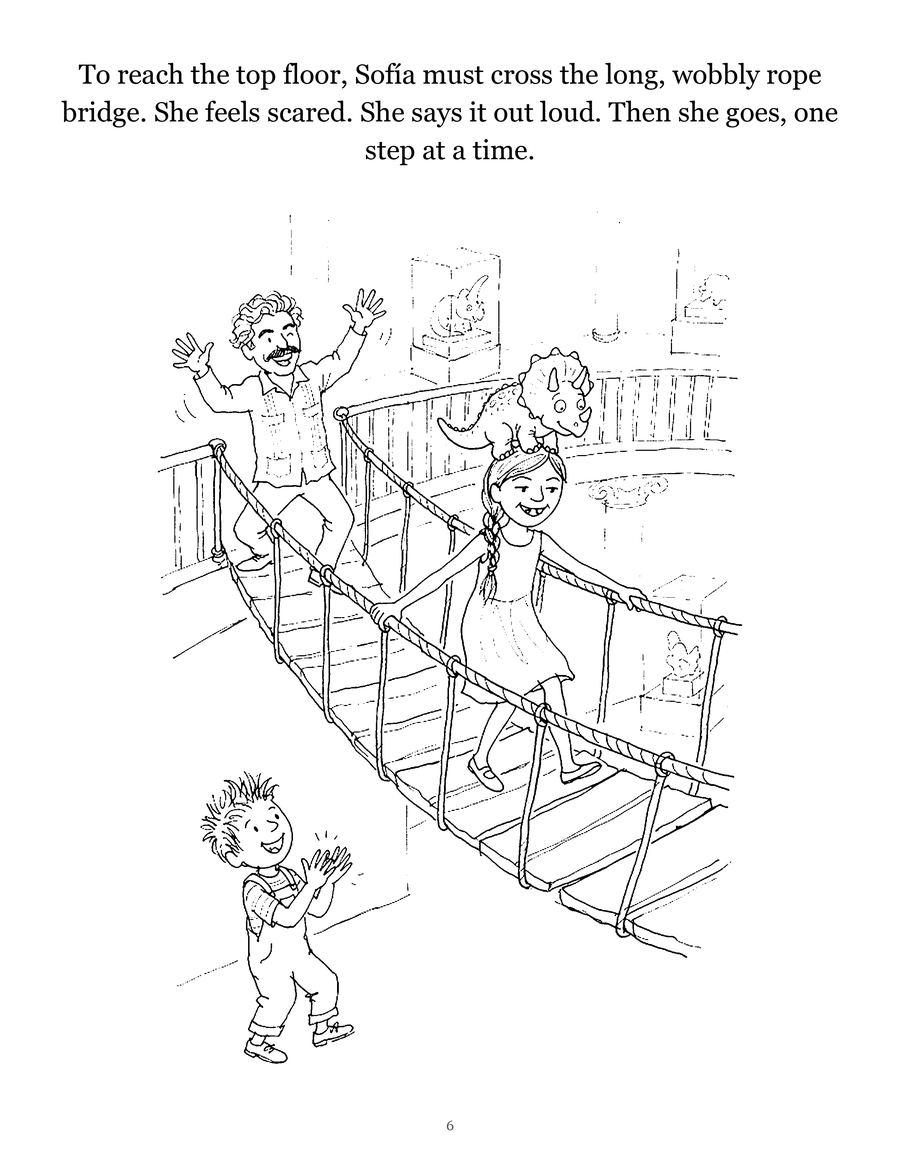
Preschool fundraiser ideas that parents do not dread
Easy preschool and daycare fundraiser ideas compared by effort and real margin: direct asks, restaurant nights, read-a-thons, sales, plus food and tax rules.
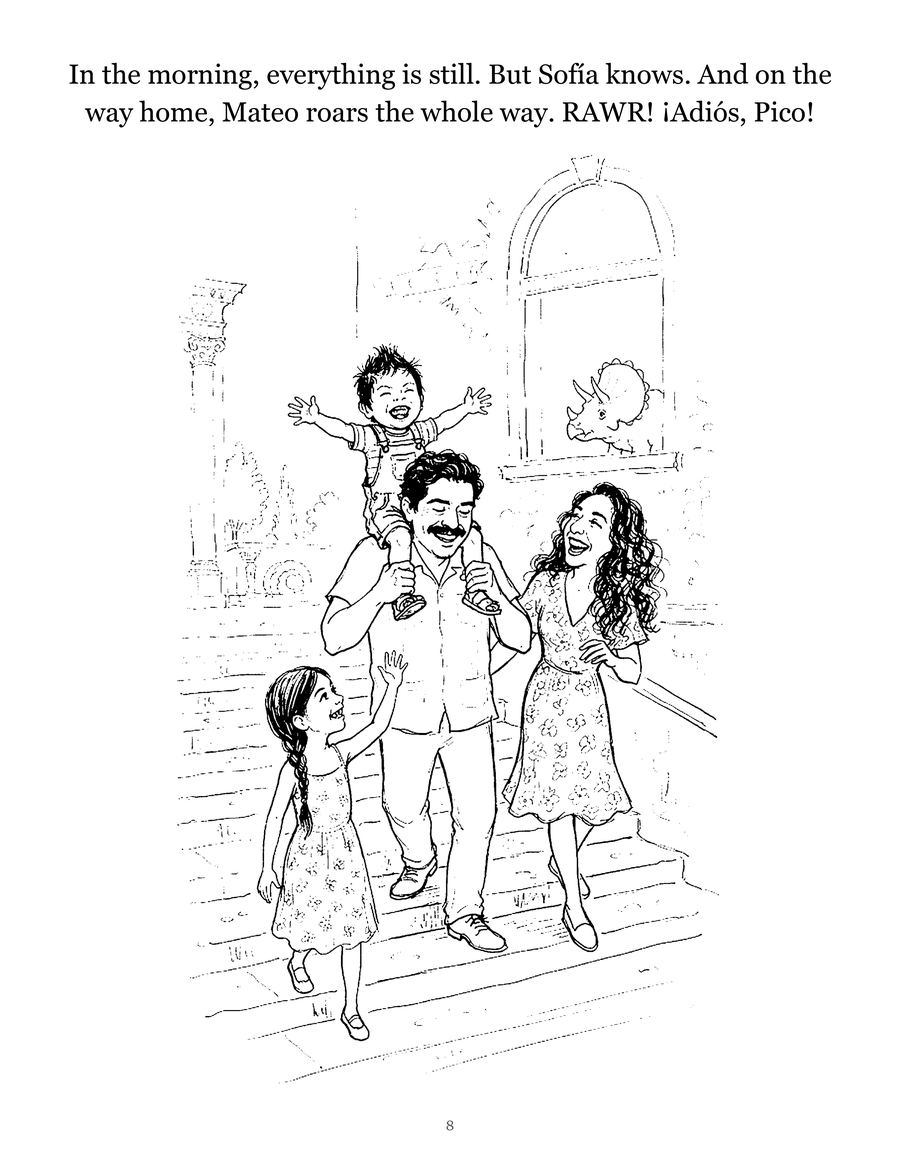
Kindergarten graduation gifts that mean something
Kindergarten and pre-K graduation gift ideas that last: books worth inscribing, a library card, a time capsule letter, experiences and keepsakes.