Guides / Classrooms and groups
Preschool fundraiser ideas that parents do not dread
The preschool fundraisers parents mind least are the ones that ask little of them: a direct-donation drive with a clear goal, a restaurant night, a read-a-thon, or one well-run sale that families would buy from anyway. For each idea, look at three numbers before you commit: what the school actually keeps per dollar, how many volunteer hours it takes, and how much it asks of families who are already paying tuition. One or two fundraisers a year, explained well, usually beat a fundraiser a month.
The asks that land well with busy parents are short and say exactly where the money goes. That is most of the advice below.
Fundraiser ideas compared by effort and margin
| Idea | Volunteer effort | What the school keeps | Works best for |
|---|---|---|---|
| Direct-donation drive ("no-fundraiser fundraiser") | Low | Almost all of it | Any size school |
| Restaurant or spirit night | Low | A share of sales, set by the restaurant | Small schools with a local favorite |
| Read-a-thon or trike-a-thon | Medium | Almost all pledges | Pre-K classes |
| Used book or toy swap sale | Medium | All of it (items are donated) | Schools with storage space |
| Family photo day with a local photographer | Low to medium | A share or a flat fee, by agreement | Fall or spring |
| Plant, bulb or wreath sale | Medium | The markup over wholesale | Spring or holidays |
| Catalog sales (wrapping paper, cookie dough) | Medium to high | A percentage set by the company | Large schools |
| Class keepsake book sale | Medium | Sale price minus printing and setup | End of year |
| Box Tops and receipt programs | Very low | Small, steady amounts | A background add-on |
A few notes on the less obvious ones:
- Direct-donation drive. Send one letter: what you are raising money for (new outdoor play equipment, books for the library corner), the goal, a deadline and how to give. Many families prefer writing a check to selling anything. Ask parents whether their employer matches donations to schools.
- Read-a-thon. Kids "read" (or are read to) for a set number of minutes and families collect pledges. For three- and four-year-olds, count books read aloud at home. A trike-a-thon or a mini fun run works the same way.
- Restaurant night. A local restaurant gives the school a share of the night's sales from families who mention it. Get the percentage, the date and any rules (dine-in only, flyer required) in writing.
- Box Tops. General Mills says its Box Tops app lets families earn cash for the school of their choice by scanning receipts. It will not pay for a playground, but it costs no one anything.
How to judge margins honestly
Gross sales are not the number that matters. Before you sign up for anything:
- Ask what the school keeps per sale. Catalog and product companies set the split. Get it in writing, including any minimum order or shipping costs.
- Count the hours. Sorting 200 cookie dough orders in a church basement is a real cost, paid in volunteer evenings.
- Count what families spend. A family that spends $30 on wrapping paper they did not need may have happily donated $15 directly, and the school would have kept more.
- Pick a goal you can say in one sentence. "We are raising money for a new sandbox cover and shade sail" gets more response than "general fund."
Food, allergy and tax rules to know
Food sales. If your preschool is part of a public school or a program in the federal school lunch program, food sold to students on campus during the school day must meet nutrition standards. The federal rule allows a special exemption for infrequent school-sponsored fundraisers, at a frequency set by the state agency, and exempt fundraiser foods cannot be sold in the food service area during meal service. Many private preschools are outside these rules but have their own food policies, so ask.
Allergies. The CDC estimates that 1 in 13 children have food allergies, about 2 students per classroom. If you run a bake sale for families (after school, at an event), label every item with its ingredients and keep allergen-free items separate.
Tax receipts. If your PTA or parent group is a registered charity and families get something back for their money (a dinner, a book, a raffle-style prize), only the part above the item's value is a gift. The IRS says that when a donor pays more than $75 and receives goods or services in return, the charity must give a written statement with a good faith estimate of what those goods or services were worth. Raffles have their own state rules, so check before you sell tickets.
A class book fundraiser, as one option
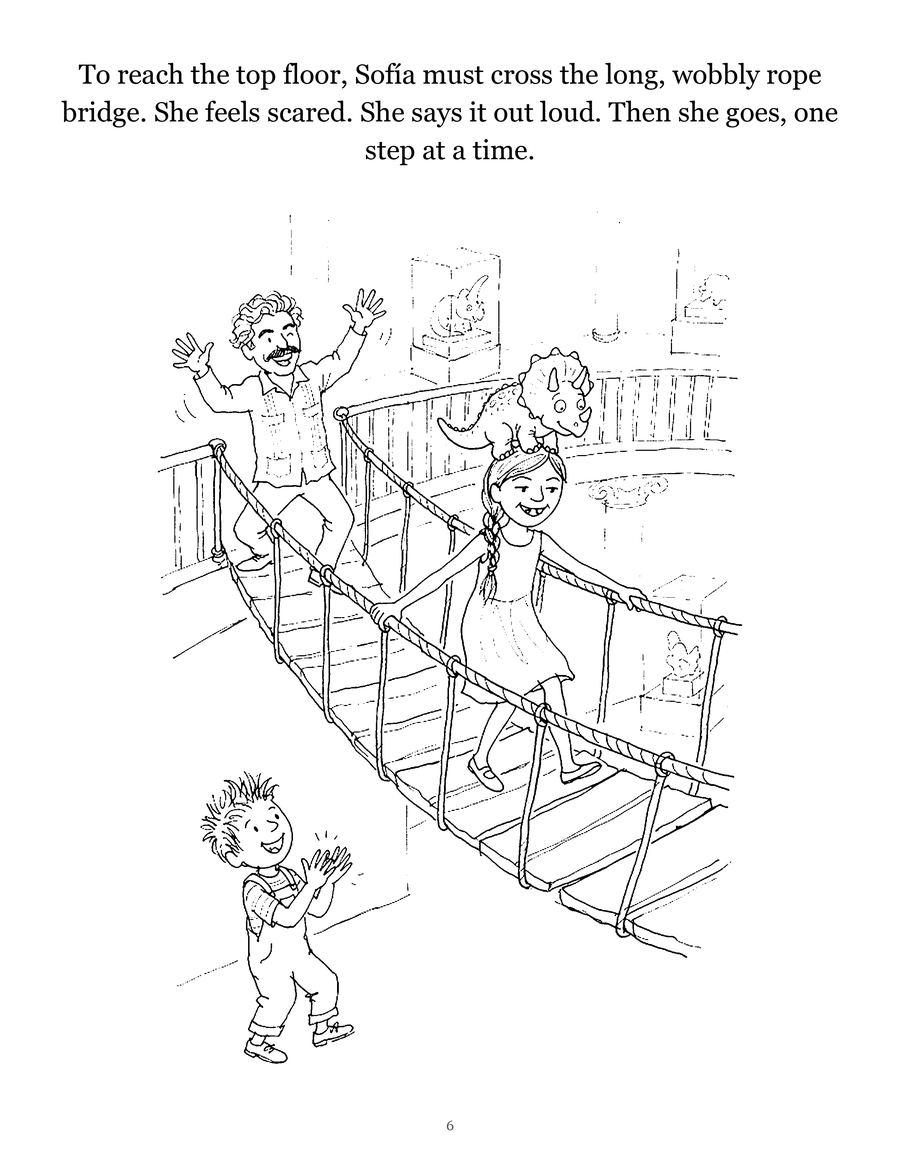
A keepsake book families buy at the end of the year can work as a fundraiser because the product sells itself to grandparents. The free version is a class coloring book or a class memory book the kids draw themselves: copy it at cost and sell copies for a few dollars over that.
The paid version is a book where every child is drawn into a class story. The Colorkin Classroom Edition is $199 for up to 24 children, with printed copies at $9 each in batches of 10 or more. The pages are drafted with AI illustration tools from each child's photo, and a person checks every page before it goes out. Do the math before you commit. If you sell each copy for $20, each sale clears $11 after printing, so you need 19 sales just to cover the setup before the school makes anything. In a class of 15 that may not happen, and a direct ask would raise more. In a larger class with grandparents ordering extra copies, it can work. Photos need written permission from every family, and any child whose family says no should get a drawn self-portrait page instead.
A simple fundraising year
- September: one direct-donation letter with a clear goal. Set up Box Tops in the same letter.
- Fall: one low-effort event (restaurant night or family photo day).
- Spring: one activity kids enjoy (read-a-thon, trike-a-thon) or a plant sale.
- End of year: a keepsake book or a used book swap, only if the earlier goal still needs money.
- Always: tell families how much was raised and what it bought.
For more projects that fit a school year, see the classrooms and groups guides. If your group is also planning a gift for the kids, our guide to end of year gifts for preschool students has cheap per-child ideas.
Questions parents ask
What is the easiest preschool fundraiser?
A direct-donation drive: one letter that says what the money is for, a goal and a way to give. No product, no inventory, and nearly every dollar goes to the school. A restaurant night is the easiest event.
Which preschool fundraisers make the most money?
Usually direct asks and events with donated prizes, because there is no product cost. Product sales bring in more gross dollars but the school keeps only part of each sale, so ask the vendor for its split in writing.
Can a preschool hold a bake sale?
Check first. Schools in the federal school lunch program must follow Smart Snacks rules for food sold during the school day, with limited exemptions for infrequent fundraisers. Allergies matter too, so label everything.
How do daycares raise money without overloading parents?
Run one or two fundraisers a year, not one a month. Tell families the goal and what it pays for, and offer a give-instead option for anyone who does not want to sell or buy.
See your own family on a page, free
Weighing a class book as one of your fundraiser options? Send one photo of a child (with a parent's OK) and we will draw a free sample page so you can judge it first.
Get a free sample pageMore in Classrooms and groups
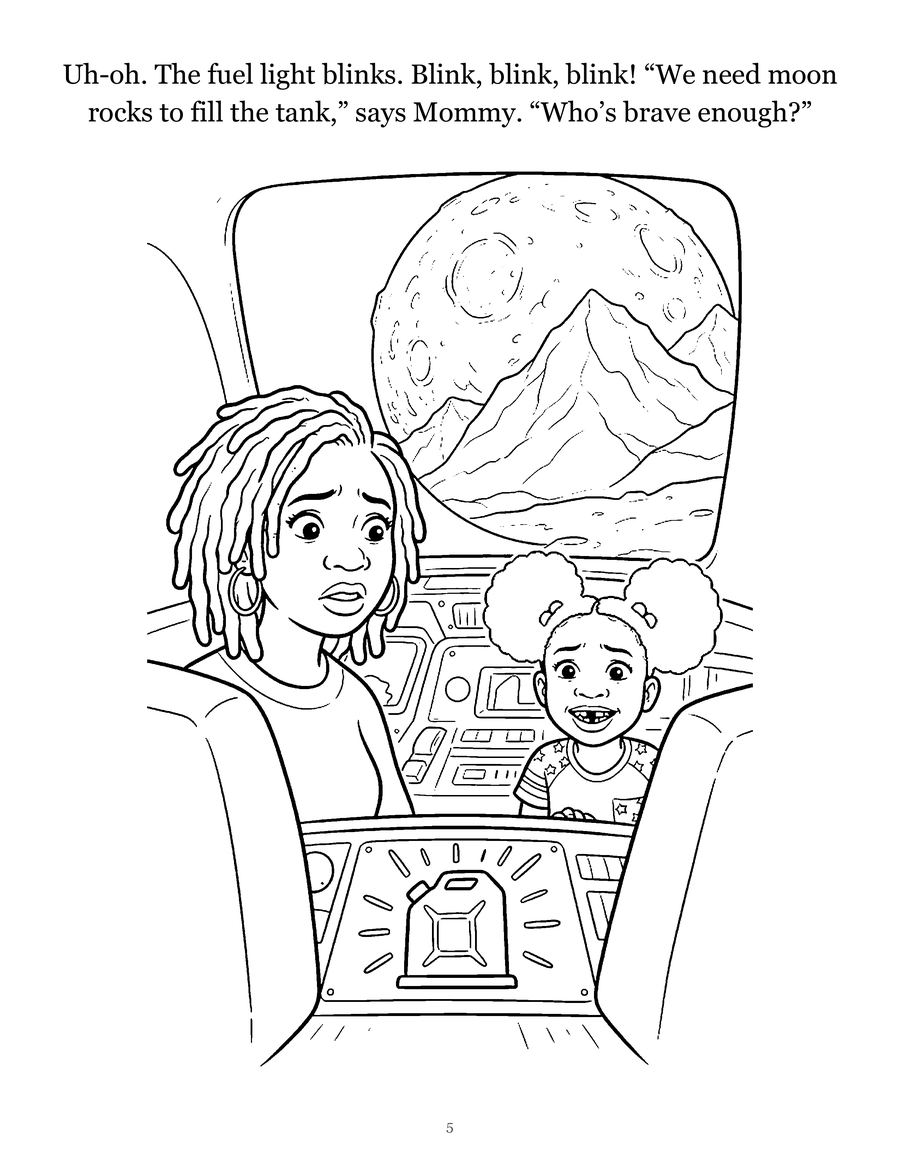
Teacher gift from the class: group ideas that are not a mug
How to organize a group teacher gift from the class: what to buy, how to collect money fairly, gift rules for public school staff, and keepsakes the kids make.
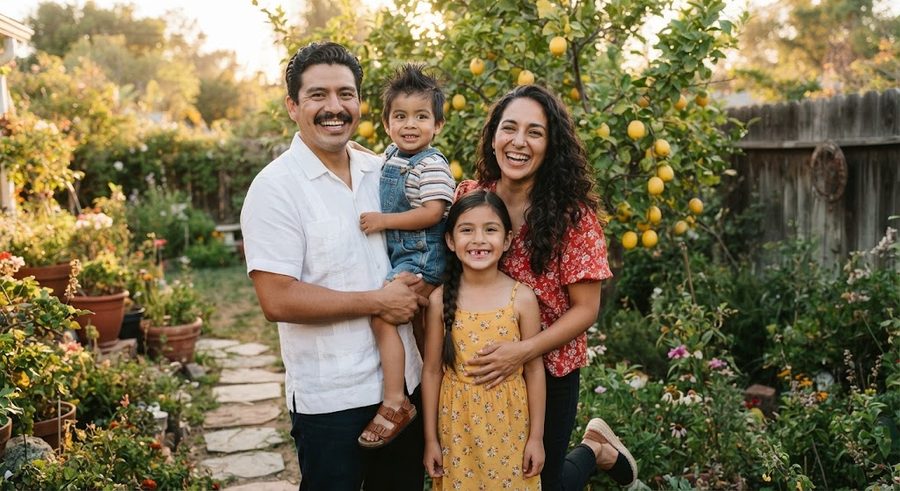
Sunday school coloring pages and a class coloring book
Sunday school coloring pages that fit the lesson, how to make a class coloring book of your group, photo permission for church kids, and class gift ideas.
Scout troop keepsakes and end-of-year gifts for kids' clubs
End-of-year gift ideas for a Daisy troop, Lion den or kids' club: a troop book, patch displays, bridging gifts, photo cards, and how to handle photo permission.