Foster care books for kids, and comfort for the first days

The best foster care books for young kids say three things plainly: some children live with another family for a while to be safe, it is not their fault, and the grown-ups are working on what happens next. For toddlers and preschoolers, start with Maybe Days by Jennifer Wilgocki and Marcia Kahn Wright, Kids Need to Be Safe by Julie Nelson, and Finding the Right Spot by Janice Levy. Pair the books with comfort and routine. The AAP's guide to parenting after trauma stresses predictable routines, simple choices and staying calm, because trust takes time.
This guide is written for foster and kinship caregivers, and for teachers or relatives who want to help. It follows the language the U.S. Children's Bureau uses: children "in foster care," "birth parents" or simply "parents," and "family time" for visits.
What young children in foster care are dealing with
The Child Welfare Information Gateway describes foster care as a temporary, court-monitored service, and says the preferred placement is with relatives, known as kinship care. It also notes that reunification is the most common goal for children in foster care.
That shapes everything you read and say. A child may go home. A book that ends with a "forever family" can feel like a promise or a threat. Young children make up a large share of the children in care: the AAP says more than half of the children entering foster care each year are younger than 5, and that stable caregiving, emotional responsiveness and predictable routines matter most for healthy development at this age.
Picture books for children in foster care
All of these are real titles held by many public libraries. Read them yourself first. You know the child's situation and the book does not.
| Book | Author | Best for | What it does |
|---|---|---|---|
| Kids Need to Be Safe: A Book for Children in Foster Care | Julie Nelson | 3 to 6 | Short, simple explanation of why some kids live with foster families |
| Maybe Days: A Book for Children in Foster Care | Jennifer Wilgocki, Marcia Kahn Wright | 4 to 8 | Introduces the people and steps in foster care and the feelings that come with it. Afterword for caregivers |
| Finding the Right Spot: When Kids Can't Live with Their Parents | Janice Levy | 4 to 8 | A girl living with a foster parent describes missing her mother, hope and disappointment |
| Elliot | Julie Pearson | 4 to 7 | A young rabbit moves between foster homes and feels torn after visits. Ends with adoption |
| Zachary's New Home: A Story for Foster and Adopted Children | Geraldine M. Blomquist | 4 to 8 | Zachary remembers his first parents while adjusting to a new family. Ends with adoption |
The first three are the safest for the early months because they leave the ending open. Elliot and Zachary's New Home end in adoption, so keep them for a child whose plan has changed, or skip the last pages. Our separate guide covers adoption books for kids once that is the plan.
For a child who moves between homes for family time, some of the picks in books for kids with two homes also fit, as long as you check the divorce framing first.
Comfort items for the first days
Many children arrive with very little. You do not need much, but a few things help:
- A soft toy or blanket that is theirs to keep. It can go to family time and come back. The AAP's visitation tips suggest helping a child pick a transitional object, such as a stuffed animal or blanket, for visits.
- A bag or small suitcase of their own for their belongings, so nothing they own travels in a trash bag.
- A nightlight and a predictable bedtime. Same song, same order, every night.
- Clothes in a couple of sizes, and let the child choose between two options. The AAP recommends giving a sense of control through simple choices.
- Anything from home they brought with them. Wash it only if you must. Familiar smells comfort.
Make a simple welcome book
A short homemade book can answer questions a scared child cannot ask. Print photos, staple them together and write one plain sentence on each page:
- This is the house where you will stay for now.
- This is your bed. The nightlight stays on.
- These are the people who live here. (Photos, names they can use.)
- This is the dog. She is gentle.
- This is what we do in the morning.
- You will see your family at family time. (Leave space for details as they are set.)
- You can ask us anything.
Keep it honest and short, and update it when things change. Our guide to social stories for toddlers explains how to write sentences like these so they reassure rather than overwhelm. Avoid putting the child's own past into it. That story belongs to the child and their family, and their caseworker can advise on it.
Supporting family time with birth parents
Family time is where many children struggle most, before and after. The AAP suggests a few concrete steps for foster and kinship parents:
- Help the child draw a picture or make something to give their parent at the visit.
- Remind them you will be there to welcome them back.
- Plan a re-entry ritual afterward: hang up the coat, have a snack, play something quiet, read a book.
The Children's Bureau's factsheet on promoting reunification as a foster parent adds that, when the case plan allows, regular check-ins and photo sharing help parents feel closer to their children. Never criticize a child's parents in front of them. The AAP visitation guidance names caregivers undermining a parent in front of the child as a source of confusion and distress.
A note on personalized books
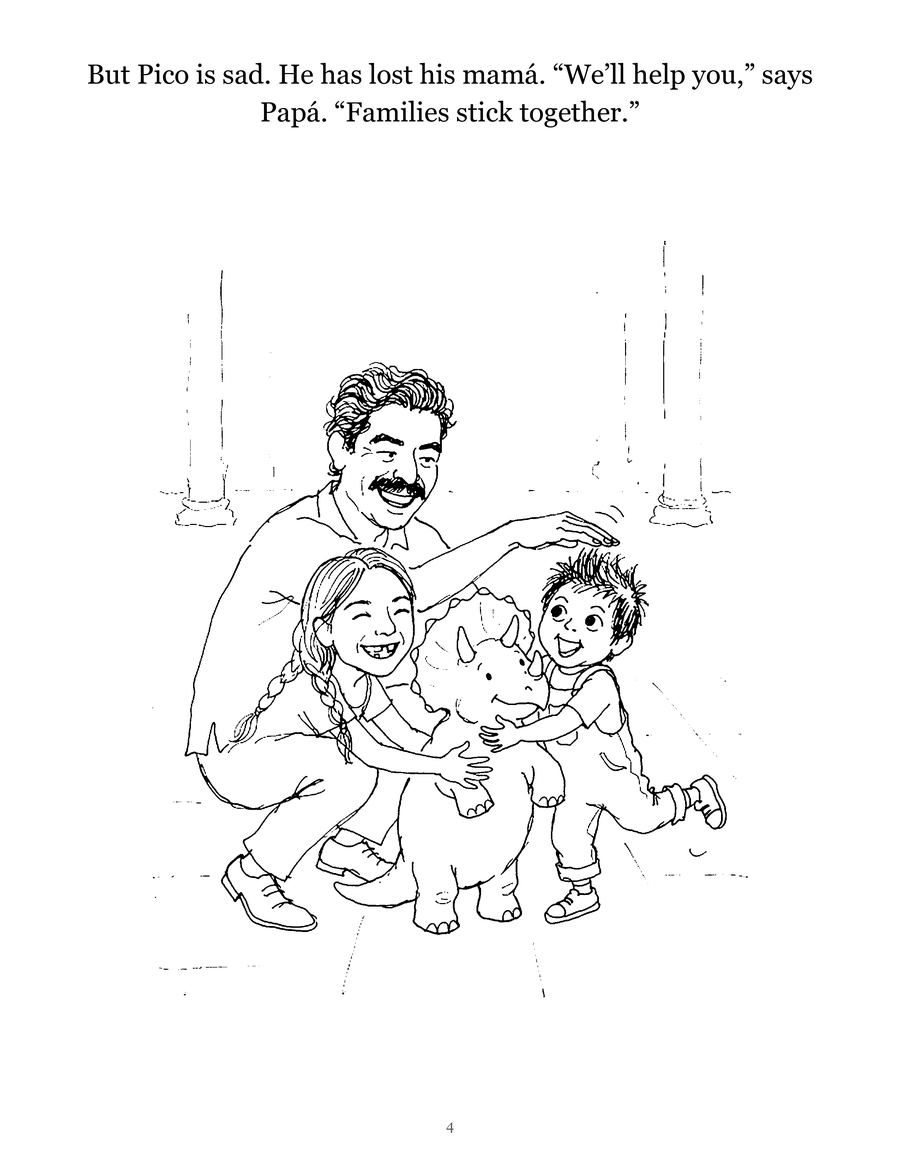
A storybook starring a child in care can be lovely later on, but it is not a first-week item, and photos of children in foster care usually fall under agency rules. Ask the caseworker before you send a child's photo to any outside service, including ours. If it is allowed and the child is settled, Colorkin can make a coloring storybook from household photos, drafted with AI illustration tools and checked and finished by a person. A photo booklet you make yourself is just as good and keeps everything in your hands.
More guides for early childhood transitions are under big moments.
Questions parents ask
What is a good book for a young child entering foster care?
Maybe Days by Jennifer Wilgocki and Marcia Kahn Wright explains the people and steps involved in foster care for young children and includes an afterword for caregivers. Kids Need to Be Safe by Julie Nelson is a simpler option for the youngest children.
How do I prepare my home for a foster child?
Have a bed, a few changes of clothes in a range of sizes, a toothbrush, a nightlight and a soft toy or blanket ready. Make a short welcome book with photos of your home, the people and pets in it and where the child will sleep. Keep the first days quiet and predictable.
How should I talk about a child's birth parents?
Speak kindly and simply. Reunification is the most common goal in foster care, so the child may go home. Use the words the child uses for their parents, never criticize them in front of the child, and support family time.
Should I read books about adoption to a child in foster care?
Be careful. Many adoption books end with a forever family, which can confuse a child who is hoping to go home. Choose foster care books for the early months and save adoption stories for children whose plan has actually become adoption.
See your own family on a page, free
Later on, if your agency allows photos and the child would enjoy it, we can draw a free coloring page from one photo of your household, pets included, no card needed.
Get a free sample page- Child Welfare Information Gateway, Foster Care
- Child Welfare Information Gateway, Reunifying Families
- Child Welfare Information Gateway, Promoting Reunification as a Foster Parent (PDF)
- HealthyChildren.org (AAP), Tips for Helping Children and Teens Before and After Visitation
- HealthyChildren.org (AAP), Parenting After Trauma: Understanding Your Child's Needs
- HealthyChildren.org (AAP), Special Health and Developmental Needs of Young Children in Foster Care
- Maybe Days by Jennifer Wilgocki and Marcia Kahn Wright (Internet Archive / Open Library record)
- Finding the Right Spot by Janice Levy (Internet Archive / Open Library record)
More in Big moments
Weaning off the pacifier: when to stop and the story approach
When to wean a toddler off the pacifier, what the AAP and pediatric dentists say, and how a short story about giving it up makes the goodbye easier.
Toddler scared of haircuts? How to make the first cut easier
Why toddlers fear haircuts and how to help: practice at home, picture books, the right salon and time, small steps for sensitive kids and what to do on the day.
Starting daycare: easing drop-off for you and your child
How to start daycare with less crying: visits and practice runs, a goodbye ritual, what to tell the teacher, books about saying goodbye and when to worry.