Social stories for toddlers: what they are and how to make one
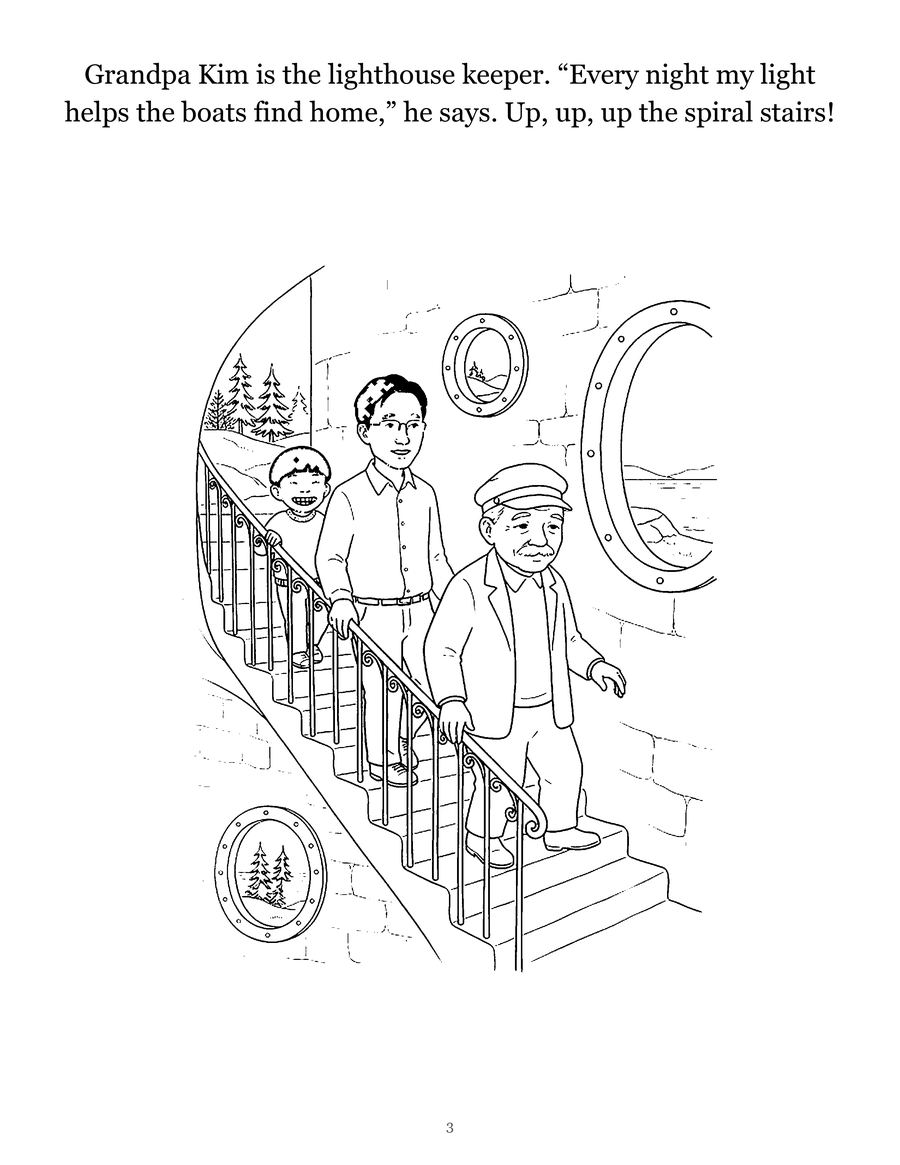
A social story is a short, personal book that walks a child through a new or hard situation before it happens: going to the dentist, a new baby coming home, the first day of preschool. It uses the child's own name and, ideally, their own picture, in a few plain sentences per page. You read it together until the situation feels familiar. For toddlers, the best ones are five to ten pages long and look like the real thing.
I came to social stories sideways. I made the first Colorkin coloring storybook for my own two kids and noticed how much more a story held them when they were in it. That is the whole idea behind a social story, and you can make a good one tonight with your phone and some paper.
Where social stories come from
The format was developed by Carol Gray, who was the first teacher for autistic students at Jenison Public Schools in Michigan and began writing stories for her students in 1989. Her site still publishes the criteria that define a Social Story (now on version 10.4). Her approach is specific: the story describes what happens and why, in a patient and reassuring tone, rather than lecturing the child about what to do. "Social Stories" in capitals refers to her method. Parents and teachers use "social story" more loosely for any personalized step-by-step story, and that looser version is what most of this article is about.
What the research says
Most of the research is on autistic children, and it is encouraging but not magic.
- A 2026 meta-analysis of 21 single-case studies found a moderate overall effect for autistic individuals, strongest for school-aged children (7 to 12), with gains in social skills, safety skills and reducing problem behaviors. It found the effect held whether a therapist, teacher, parent or researcher delivered the story.
- A 2024 review looked at children aged 2 to 6 and found social stories used with both typically developing preschoolers and children with disabilities, for things like toothbrushing, peer interaction, sleep habits and staying on task. Most studies reported improvements, but only two were similar enough to combine, and the authors call for better trials.
So the fair summary: social stories are a low-cost, low-risk tool with reasonable evidence behind them, especially for routines. For a typical toddler facing a new baby or a move, nobody has run a big trial, but the method costs an evening and nothing bad happens if it does not help.
Is my toddler ready for one?
Toddlers follow stories about themselves early, but how much they take in grows quickly. By 3, the CDC milestone list includes saying what action is happening in a picture or book when asked, and asking "who", "what", "where" or "why" questions. That is a good sign a child can follow a simple sequence of pictures. For a two-year-old, keep it to pictures and a few words per page. For a four-year-old, you can add a little more about feelings.
How to make a social story, step by step
- Pick one situation. "Going to the dentist", not "being brave". One event per book.
- Walk through it yourself first. What actually happens, in order? Who will be there? What will your child see, hear, smell? Where do they wait? Where will you be?
- Write one short sentence per page, in the first person or using your child's name. Describe, then reassure. Keep instructions to one or two pages.
- Use real pictures. A photo of the actual dentist's office from their website, your child's own toothbrush, a picture of your child sitting in a big chair. Drawings are fine too; the more it looks like their real life, the better.
- End on something good and true. "Then we go home and I choose a book." Not a promise you might not keep.
- Read it often, in calm moments. Bedtime, breakfast, the car. Not in the middle of a meltdown.
A template you can copy
Here is a ten-page outline for a first dentist visit. Swap in your child's name and photos.
| Page | Text | Picture |
|---|---|---|
| 1 | My name is ___. I have teeth! | Child smiling |
| 2 | Teeth help me eat apples and talk. | Child eating |
| 3 | Today we are going to the dentist. | The dentist's building |
| 4 | Mommy or Daddy will be with me. | Parent and child |
| 5 | We wait in a room with chairs and books. | The waiting room |
| 6 | The dentist has a big chair that goes up and down. | The chair |
| 7 | The dentist counts my teeth. I can open wide. | Child with mouth open |
| 8 | It might feel tickly. I can hold my toy. | Child with a favorite toy |
| 9 | When it is done, I get a new toothbrush. | A toothbrush |
| 10 | Then we go home. I did it! | Child at home |
The same shape works for almost anything. We have ideas tailored to specific moments in new baby books for siblings, moving books for kids and first day of preschool books.
Turning it into a coloring book
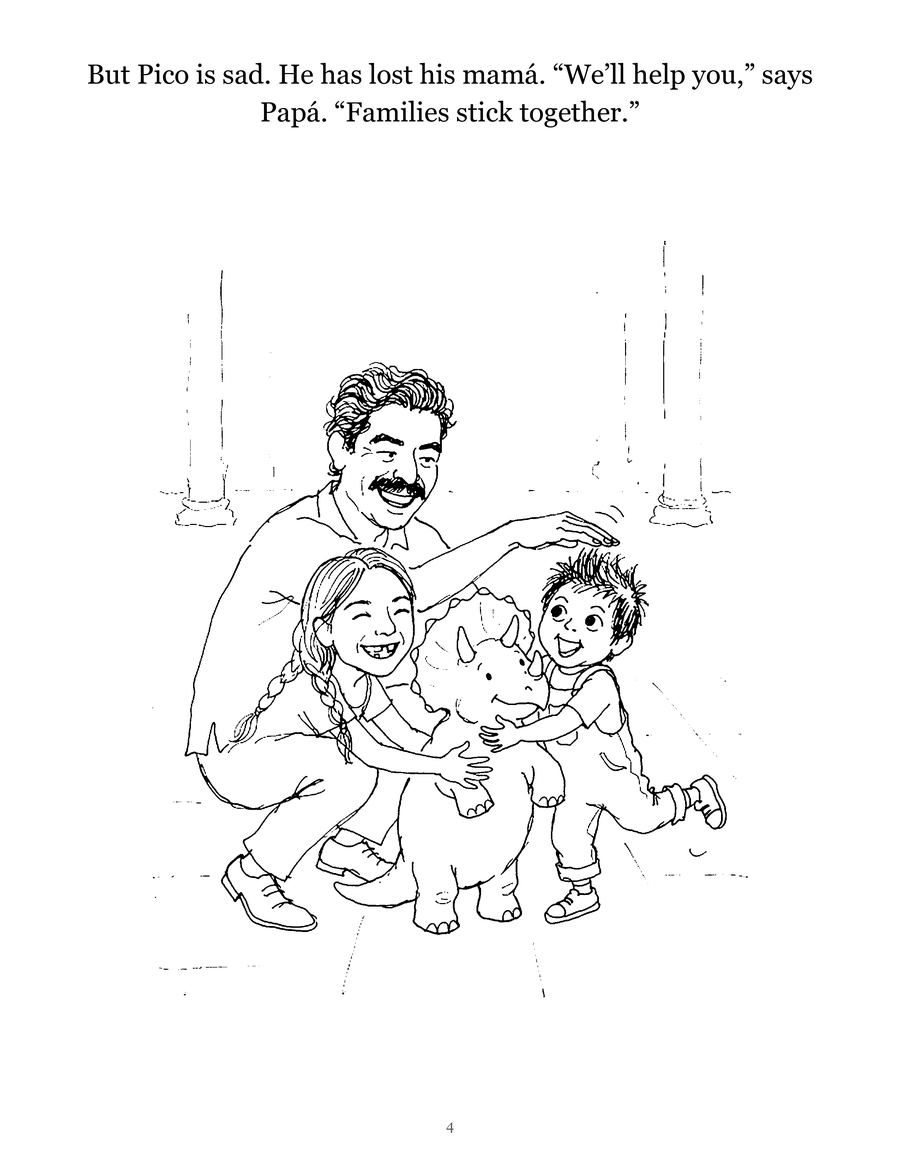
A small twist that toddlers love: make the social story a coloring book. Coloring the pages gives your child a reason to go back to the story again and again, and the act of coloring the dentist's chair or the new bedroom is a way of getting to know it. You can trace photos into line art for free; our guide to making a coloring book from photos covers the whole process.
If you would rather have it made, Colorkin turns family photos into a short coloring storybook where your child is the main character, and you can describe the situation you want it to cover. The pages are drafted with AI illustration tools and checked by a person for likeness and kindness. A homemade version made with your phone works too, and for a one-off dentist visit it is probably all you need.
Tips that make social stories work
- Keep the tone calm and positive. Describe what will happen. Avoid "don't cry" or "be good".
- Be honest. If it might hurt a little, say so gently. A story that turns out to be wrong loses its power.
- Let your child "read" it to you. Retelling is how they rehearse.
- Retire it when it is done. Once the event is routine, the book can go on the shelf as a keepsake.
More ways to help with transitions are collected under big moments.
Questions parents ask
What is a social story for a toddler?
A short, simple book, usually with photos or drawings of the child, that describes a situation step by step: what will happen, who will be there, and what the child can do. You read it together before the event.
Are social stories only for autistic children?
No. They were developed for autistic children and are studied most there, but a 2024 review found them used with typically developing preschoolers too, for things like toothbrushing, sleep and group time.
How long should a social story be for a 2 or 3 year old?
Five to ten short pages, one idea per page, a sentence or two each. Read it in under three minutes.
When should I start reading it?
For a one-time event like a dentist visit, a few days before. For a big change like a new sibling or a move, start a couple of weeks ahead and read it as often as your child asks.
See your own family on a page, free
Social stories work best when the child in them looks like your child. Send one photo and we will draw a free coloring page of your kid, no card needed.
Get a free sample page- Carol Gray Social Stories (official site of the creator)
- Carol Gray Social Stories, About
- Zhou et al., Social Story Intervention for Training Expected Behaviors among Preschool Children: A Systematic Review and Meta-Analysis, IJERPH 2024
- The effects of social story interventions on individuals with Autism Spectrum Disorders: a meta-analysis of single-case experimental studies, Frontiers in Psychology 2026
- CDC, Milestones in Action: By 3 Years
More in Big moments
Starting daycare: easing drop-off for you and your child
How to start daycare with less crying: visits and practice runs, a goodbye ritual, what to tell the teacher, books about saying goodbye and when to worry.
Potty training books for toddlers that actually help
The best potty training books for toddlers and 2 year olds, what the AAP says about readiness and praise, and how a story starring your child can help.
New baby books for siblings, and how to make your own
Picture books that help a toddler or preschooler get ready for a new baby, what pediatricians suggest alongside them and how to make a book starring your child.