Potty training books for toddlers that actually help
The best potty training books for toddlers are short, a little funny and plain about bodies: Potty by Leslie Patricelli, Everyone Poops by Taro Gomi, Time to Pee! by Mo Willems and Once Upon a Potty by Alona Frankel are good places to start. Read them for a few weeks before you begin, then keep two or three in a basket next to the potty. A book will not train your child, but it gives them words, a picture of what is coming, and something to do while they sit.
The American Academy of Pediatrics specifically suggests that parents read children's books about using the toilet to help the process make sense and seem inviting, and notes that books or toys for "potty time" may make sitting there more fun. Here is what to read, and how to use the books well.
Potty training books by age
These are real, widely held titles you will find at most public libraries. Borrow a few before buying any: toddlers have strong opinions about which one is "theirs".
| Book | Author | Best for | What it does well |
|---|---|---|---|
| Potty | Leslie Patricelli | 18 months to 2 | A board book baby who decides to try the potty. Very short, very funny (library record, also in an English-Spanish edition) |
| A Potty for Me! | Karen Katz | 18 months to 2 | Lift-the-flap steps, including the accidents |
| Time to Pee! | Mo Willems | 2 to 3 | Cheerful signs held up by mice, almost an instruction manual |
| Everyone Poops | Taro Gomi | 2 to 4 | Animals and people all poop, which takes the mystery out of it (library record) |
| Once Upon a Potty | Alona Frankel | 2 to 3 | A classic with separate boy and girl editions (library record) |
| Diapers Are Not Forever | Elizabeth Verdick | 2 to 3 | Calm, practical steps, good for kids who like to know the plan |
| Big Boy Underpants / Big Girl Panties | Fran Manushkin | 2 to 4 | The pride of choosing your own underwear |
If your child is anxious about the toilet itself, pick books that show the whole sequence (sit, go, wipe, flush, wash) rather than the funniest ones. If they think the whole thing is boring, go for funny.
What the pediatric sources say about timing
Books work best when they arrive a little before your child is ready, not as a way to rush them. A few points from the AAP and Nemours KidsHealth that are worth knowing before you start:
- Readiness, not a birthday. The AAP says children generally show signs of bladder and bowel control between 18 and 24 months, that training in the US usually begins between 2 and 3, and that most children are trained by 4.
- Signs to watch for. Staying dry for about 2 hours or after naps, grunting or squatting before a poop, disliking wet diapers, and being able to walk to the bathroom and help undress.
- How long it takes. KidsHealth says learning to use the potty often takes 3 to 6 months, that starting too soon tends to make it take longer, and that staying dry at night can take much longer still.
- When to wait. The AAP suggests holding off around a move, a new baby, a major illness or another family crisis.
How to use potty books (and not overdo them)
- Start reading early. A few weeks of potty books while your child is still in diapers is low pressure. It teaches the words your family will use, and the AAP recommends choosing words that are not negative, like dirty or stinky.
- Keep a potty basket. Two or three short books by the potty-chair. Rotate them every week or so.
- Let your child turn the pages. The AAP frames this stage as toilet mastery: your child taking charge of their own pee and poop. Even small choices, like which book to read, help.
- Use the books to talk about fears. The AAP notes that some children worry the toilet will flush part of them away or that they could fall in. A book that shows a character flushing is a good opening. Let your child do the flushing.
- Do not turn books into a bribe. The AAP advises against treats and punishments and suggests praise that is specific. "You sat on the potty and read the whole book" counts.
A potty story starring your own child
Picture books show a toddler, a bear or a mouse. Some children respond better when the toddler on the page is them. You can make a very simple version at home:
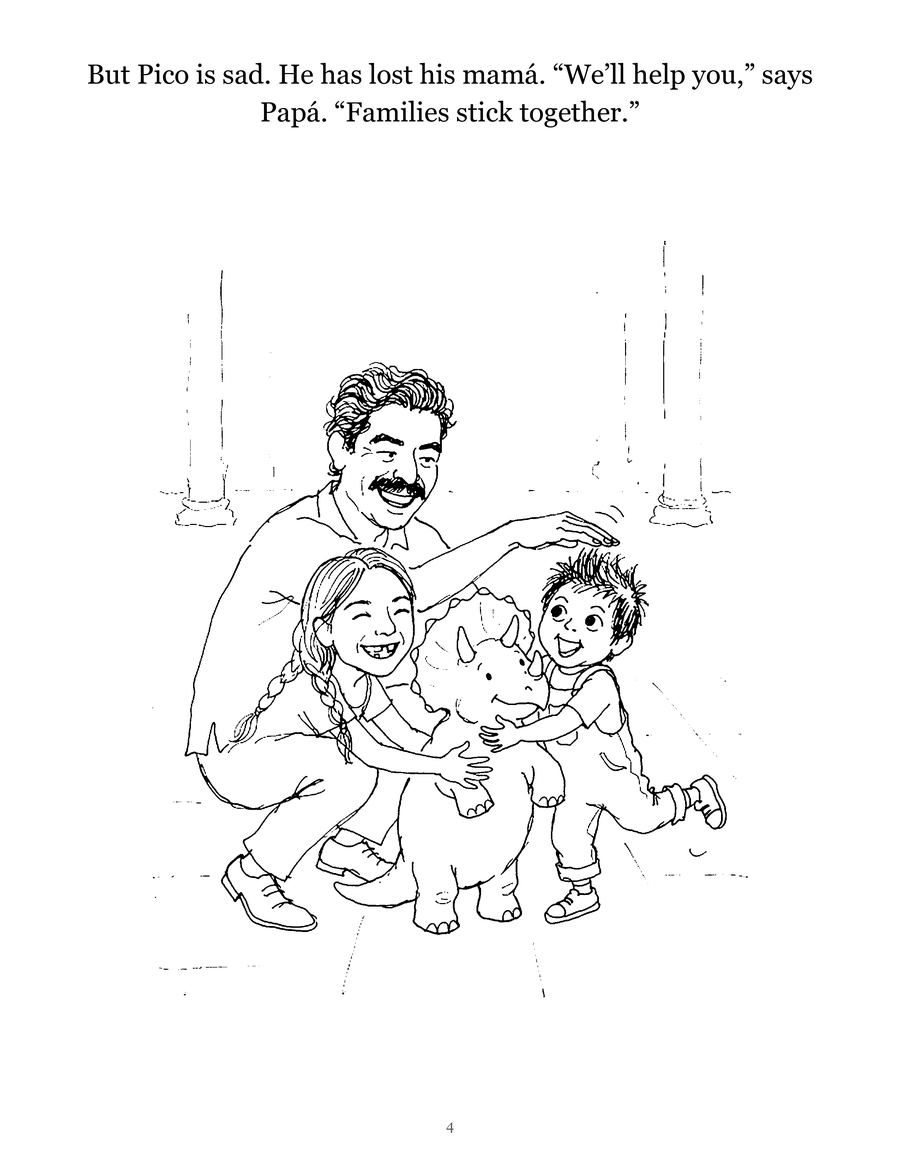
- Take five or six photos of your child at each step: walking to the bathroom, pulling down their pants, sitting on the potty (clothed is fine), flushing, washing hands, picking out underwear.
- Print them, or turn them into coloring pages with our guide to turning a photo into a coloring page for free.
- Write one short line under each: "When I need to pee, I go to the potty." "I flush and wave bye-bye." Use your family's words.
- Staple it or put it in a cheap photo album. Read it like any other book.
Seeing the steps in order, with themselves doing them, gives a child a script to follow. Kids come back to pages that show them, and a potty book is a good use of that pull.
If you would rather not make it yourself, a personalized coloring storybook is one option. Colorkin makes one from your family photos, drafted with AI illustration tools and checked page by page by a person, so your child can color themselves on the potty, in new underwear, or showing a grandparent. The Digital Storybook is $29 as a printable PDF. A stack of printed photos and a stapler does a very similar job, and our guide to making a coloring book from your own photos walks through it.
When the books stop working
Progress is rarely a straight line. The AAP describes regression as common after a change like a new sitter, starting preschool, a new sibling, illness or a move, and says it usually passes within a few days or weeks. Its first advice is to check with your pediatrician that nothing physical, like constipation or an infection, is going on. After that: notice the change out loud, ask your child about it, and keep the potty and the books where they were.
If a new baby is part of the story, our list of new baby books for siblings can help with that change too. If preschool is starting at the same time, see first day of preschool books. And KidsHealth suggests talking to your doctor if your child is 4 or older and not yet potty trained.
More guides for the big changes of early childhood are in our big moments section.
Questions parents ask
What is the best potty training book for a 2 year old?
Short board books with one idea per page work best at two: Leslie Patricelli's Potty, Karen Katz's lift-the-flap A Potty for Me!, or Mo Willems's Time to Pee! Save longer story books like Once Upon a Potty for when your child can sit through a few more pages.
Is there a potty training book for boys and one for girls?
Yes. Alona Frankel's Once Upon a Potty comes in a boy edition and a girl edition, and Fran Manushkin wrote both Big Boy Underpants and Big Girl Panties. Most other potty books, like Everyone Poops, work for any child.
When should I start reading potty books?
Before you start training. Reading about the potty while your child is still in diapers lets them get used to the words and the idea with no pressure. The AAP suggests books about using the toilet to help the process make sense and seem inviting.
Should potty books be read on the potty?
They can be. The AAP notes that books or toys for potty time may make sitting more fun. Keep a few short ones in a basket by the potty and save the longer ones for bedtime.
See your own family on a page, free
Want a potty story where your child is the one sitting on the potty and flushing? Send one photo and we will draw a free sample coloring page of them. No card needed.
Get a free sample page- The Right Age to Potty Train (HealthyChildren.org, American Academy of Pediatrics)
- Potty Training Regression (HealthyChildren.org, American Academy of Pediatrics)
- Toilet Training (Nemours KidsHealth)
- Everyone Poops by Taro Gomi (Internet Archive / Open Library record)
- Potty by Leslie Patricelli, bilingual edition (Internet Archive / Open Library record)
- Once Upon a Potty by Alona Frankel (Internet Archive / Open Library record)
More in Big moments
Starting daycare: easing drop-off for you and your child
How to start daycare with less crying: visits and practice runs, a goodbye ritual, what to tell the teacher, books about saying goodbye and when to worry.
Social stories for toddlers: what they are and how to make one
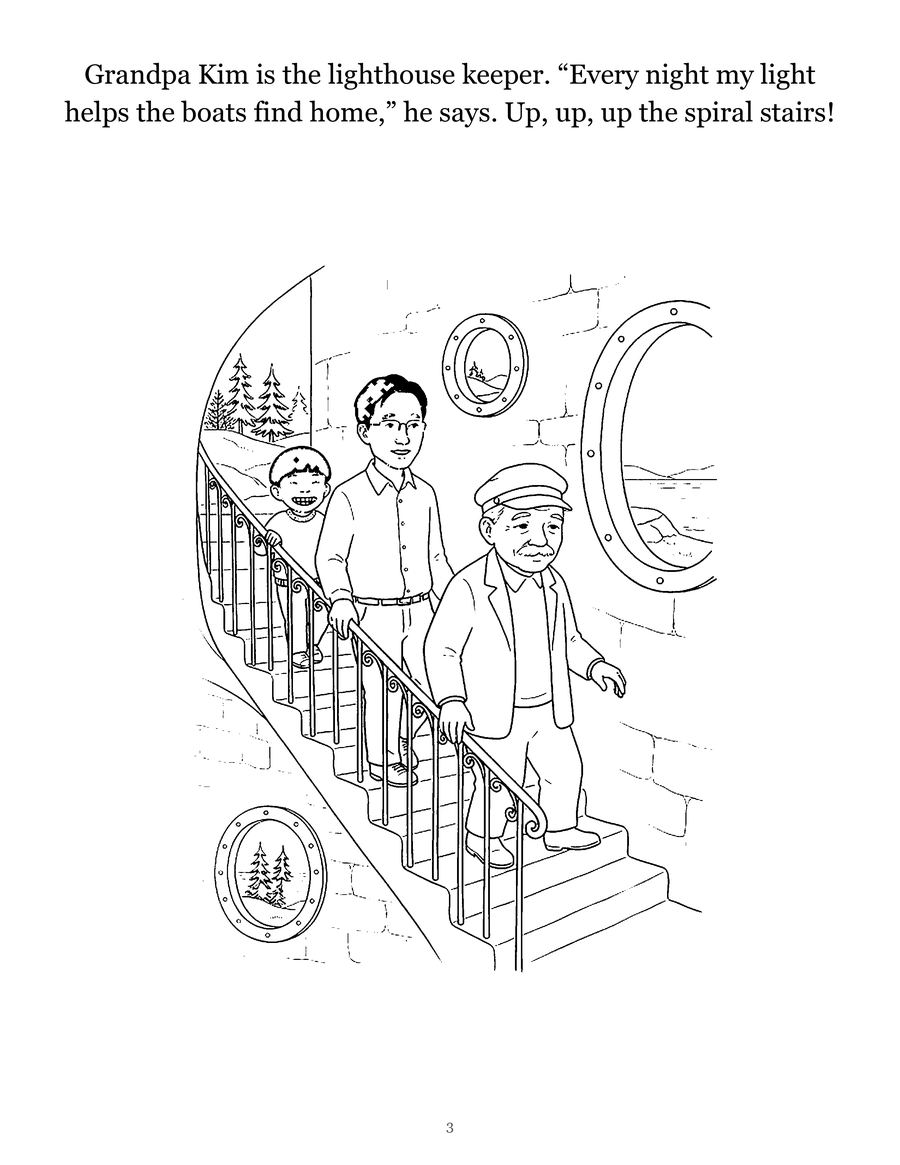
A social story is a short, personal book that walks a child through a new situation before it happens. What the research says and a template for toddlers.
New baby books for siblings, and how to make your own
Picture books that help a toddler or preschooler get ready for a new baby, what pediatricians suggest alongside them and how to make a book starring your child.