New baby books for siblings, and how to make your own
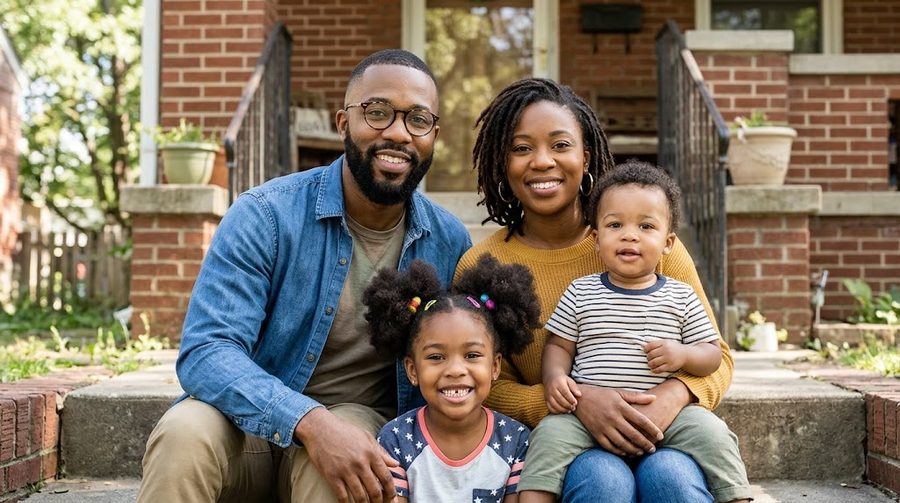
The best new baby books for siblings are short, honest picture books that show a child like yours getting through the wait and the first weeks: Joanna Cole's I'm a Big Sister or I'm a Big Brother for toddlers, Ezra Jack Keats' Peter's Chair and John Burningham and Helen Oxenbury's There's Going to Be a Baby for preschoolers, and Kevin Henkes' Julius, the Baby of the World once your child can laugh at jealousy. Read them often, not once. Pair them with a few small steps the American Academy of Pediatrics recommends, and consider a simple homemade book where your own child is the big sibling.
I made the first Colorkin storybook for my own two kids, and what struck me was how much more a page with them in it held their attention than a page about some other family. Library books help a child understand babies. A book with their own face in it helps them understand their part.
Picture books worth reading together
All of these are real, widely held titles you can find at most public libraries. Ages are rough guides, not rules.
| Book | Author | Good for | Why it helps |
|---|---|---|---|
| I'm a Big Sister / I'm a Big Brother | Joanna Cole | 1 to 3 | Plain words, warm pictures, lots of "you are still loved" |
| Waiting for Baby | Rachel Fuller | 1 to 3 | Board book about the waiting months, easy to read daily |
| Hello in There! A Big Sister's Book of Waiting | Jo Witek | 2 to 4 | A girl talks to the baby in her mom's belly |
| There's Going to Be a Baby | John Burningham, Helen Oxenbury | 3 to 5 | A boy and his mother wonder, month by month, what the baby will be like |
| The New Baby | Mercer Mayer | 3 to 5 | Little Critter learns the baby cannot play yet |
| Peter's Chair | Ezra Jack Keats | 3 to 6 | Peter's old baby furniture is painted for his sister and he runs away with his chair, until he finds he no longer fits in it |
| A Baby Sister for Frances | Russell Hoban | 4 to 6 | Frances feels overlooked and "runs away" under the dining table |
| Julius, the Baby of the World | Kevin Henkes | 4 to 7 | Lilly cannot stand her baby brother, right up until someone else insults him |
A few notes from reading these out loud. Toddler books work best when they are boring in a good way: same shape every page, nothing scary. Jealousy stories like Julius and Frances are funny to a four-year-old and confusing to a two-year-old, so wait on those. And if a book shows a hospital birth and you are planning something different, skip that page or change the words. You know your child's story better than the author does.
For gifts to go with the books, see big sister gift ideas.
What pediatricians suggest alongside the books
The American Academy of Pediatrics' guide to preparing your older child for a new baby recommends reading books about newborns and siblings, and it fills in the rest of the picture. The parts that matter most for 2 to 4 year olds:
- Talk about the baby at natural moments, such as when you buy baby clothes or when your child asks about the growing belly.
- Show them their own baby pictures and let them play with their old baby things before those get passed on.
- Be honest about what babies are like. The AAP suggests explaining that the baby will be cute but will also cry and take a lot of your time, and that it may be a while before they can play together.
- Avoid stacking changes. If you can, finish potty training or the move to a big bed before the baby comes, or wait until the baby is settled.
- Explain the hospital stay so your child is not surprised when you leave and come back with a baby.
- Expect some regression. The same guide calls accidents or wanting a bottle normal and suggests giving attention rather than telling them to act their age.
- Ask visitors to greet the older child first, and plan one-on-one time with a parent, grandparent or other family member.
None of this requires a purchase. A photo album, a doll and a library card cover most of it.
Make a big sibling book of your own
A homemade book does something a store-bought one cannot: it shows this family, this house, and this child as the big sister or brother. ZERO TO THREE suggests a similar trick for another big transition, making a book of family photos a child can look at when they feel lonely at preschool. The same idea works here.
Here is a simple version you can make this week with a printer and a stapler:
- Our family now. A photo of your child with you, maybe the pet. "This is our family."
- The baby is growing. A belly photo or an ultrasound picture. "A baby is growing in Mommy's tummy." Use your family's words.
- When the baby comes. "Mom and Dad will go to the hospital. Grandma will stay with you." Name the real person.
- Coming home. Leave space for a photo you add later of your child meeting the baby.
- Babies cry a lot. An honest page. "Babies cry and sleep and eat. They can't play yet."
- Your special jobs. Fetching a diaper, singing, picking out the baby's socks.
- Still yours. A photo of something you do together that will not change: the park, the bath, the bedtime song.
Keep it to one short sentence per page and let your child decorate it. If you want them to color it, you can trace each photo into line art for free; here is how to turn a photo into a coloring page, and a longer guide to making a whole coloring book from photos.
Where a personalized book fits
If you would rather not make it yourself, there are a few kinds of ready-made options: name-only personalized books from the big online makers, photo books from print services where you write your own text, and illustrated custom storybooks. Colorkin is one of the last kind: you send family photos and get a 12-page coloring storybook where your older child is the hero of the new baby story, drafted with AI illustration tools and checked and finished by a person. It is a nice extra, not a requirement. The library books and a stapled photo booklet will do the real work.
If the new baby arrives close to the start of preschool, these two transitions overlap more than you would think; see first day of preschool books. More guides for life's early transitions are under big moments.
Questions parents ask
When should I start reading new baby books to my older child?
Once the pregnancy is something you are talking about at home, usually when the belly shows or the nursery gets set up. The AAP suggests continuing to read books about newborns and siblings through the pregnancy, so it can be a regular part of bedtime rather than one big talk.
What is a good new baby book for a 2-year-old?
Short, simple and reassuring: Joanna Cole's I'm a Big Sister or I'm a Big Brother, or Rachel Fuller's Waiting for Baby. Save stories with jealousy plots, like Julius, the Baby of the World, for children closer to 4 or 5.
Is it normal for my older child to act like a baby after the new one arrives?
Yes. The AAP describes regression, such as potty accidents or wanting a bottle, as normal and suggests giving the attention they are asking for and praising grown-up behavior instead of telling them to act their age.
Can I make my own big sibling book?
Yes. A few printed photos stapled into a booklet with one sentence per page works: our family now, the baby growing, who will look after you at the hospital, the first day home, and things you will still do together.
See your own family on a page, free
Want to see your older child as the big sister or big brother before the baby comes? Send one photo and we will draw a free coloring page of them, no card needed.
Get a free sample pageMore in Big moments
Starting daycare: easing drop-off for you and your child
How to start daycare with less crying: visits and practice runs, a goodbye ritual, what to tell the teacher, books about saying goodbye and when to worry.
Social stories for toddlers: what they are and how to make one
A social story is a short, personal book that walks a child through a new situation before it happens. What the research says and a template for toddlers.
Potty training books for toddlers that actually help
The best potty training books for toddlers and 2 year olds, what the AAP says about readiness and praise, and how a story starring your child can help.