Heritage coloring books: finding or making one for your family
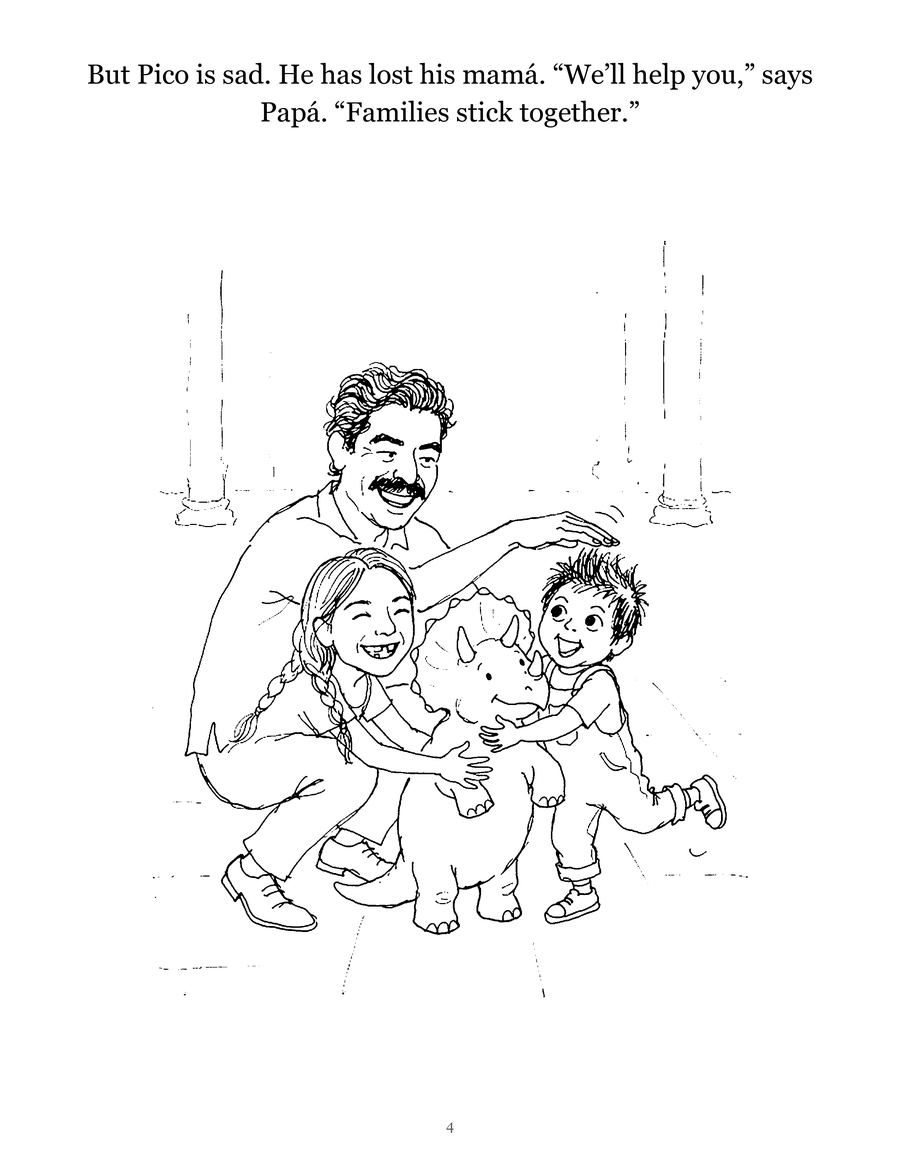
A good heritage coloring book shows your family's culture as people actually live it: the food on the table, the holidays, the words grandparents use, the places you come from, drawn with the right names and without caricature. They are hard to find for many cultures, so the practical plan is to combine three things: free pages from museums, libraries and community groups, a picture book from the community to read first, and a few pages you make yourself from family photos and stories.
Why they are hard to find
The Cooperative Children's Book Center has counted children's books by and about Black, Indigenous and People of Color every year since 1985, and it says on its diversity resources page that those numbers have grown but still represent a small percentage of the books published for children. The CCBC also names the harder problem: identifying authentic, reliable books. Coloring books are not counted at all, so nobody knows how many good ones exist. Watch for listings that are one generic template with the outfits changed and a new culture in the title.
So the bar for a heritage coloring book is not just that it exists. It is whether a grandparent from that culture would nod at it.
What to check before you buy
| Look for | Be wary of |
|---|---|
| Creators from the community, or named community sources | No author, or a seller with hundreds of near-identical "culture" books |
| Everyday scenes: kitchens, homes, neighborhoods, family | Only costumes, festivals and landmarks |
| Correct names for foods, clothes and holidays, spelled right | Mixed-up traditions from different countries on one page |
| Real variety in faces and hair within one culture | One face template in different outfits |
| Respectful religious images, or none | Sacred figures used as decoration |
When you are unsure, look for a reviewer from within the community. The CCBC's diversity resources page links to reviewers such as American Indians in Children's Literature by Debbie Reese (Nambe Pueblo) and the Asian Pacific American Library Association's evaluation rubric, among others.
Free pages from museums, libraries and community groups
- #ColorOurCollections. A campaign run by the New York Academy of Medicine Library in which libraries, archives and other cultural institutions around the world share free coloring sheets and books based on materials in their collections. Browse the participating institutions for archives and museums tied to your family's region or language. Many pages are historical art, so they suit kids five and up.
- Holiday guides from community sources. Our guides to Lunar New Year coloring pages, Diwali coloring pages, Hanukkah coloring pages and Ramadan coloring pages point to museums, temples and cultural organizations that publish activities.
- Your local cultural center or place of worship. Many publish children's activity sheets around holidays. Ask at the front desk or the children's program; they may also know local families who make their own pages.
Picture books to read first
A coloring page means more when a child knows the story behind it. These are by authors writing about their own communities, all in the Seattle Public Library catalog:
- Fry Bread by Kevin Noble Maillard, a Native American family story told through fry bread, with illustrations that show the diversity of Native America.
- Bilal Cooks Daal by Aisha Saeed, in which Bilal and his father invite his friends to help make his favorite dish, daal, and everyone has to wait for it.
- Alma and How She Got Her Name by Juana Martinez-Neal, where Alma asks why she has so many names and hears the story of her name and learns about her grandparents.
- Where Are You From? by Yamile Saied Méndez, about a girl who turns to her abuelo when she keeps being asked where she is really from.
After reading, ask your child to draw the scene from your own family that matches: your dish, your name story, your grandparent's answer.
Make one for your family
This is the version that will be exactly right, because the experts are at your table.
- Interview a grandparent. StoryCorps has a set of family heritage questions such as "Where are your parents' families from?" and "What traditions have been passed down in your family?" Pick a few and write down the answers.
- Choose six to eight pages. The family, the house or town where it started, the holiday table, a favorite dish, a game or song, a few family words with their meanings, and a blank "draw yourself" page.
- Turn photos into line art. Our guide to turning a photo into a coloring page for free shows how; for family portraits, see coloring pages of your family.
- Add a family food page. The National Archives has a free family food tree activity, where kids ask relatives about a favorite family food and why it matters, which makes a lovely page.
- Print, staple, and give a copy to the grandparents. They will correct things. That is the point.
A note on what we are making
We are making a series of heritage coloring storybooks of our own, each about an everyday family tradition in one community, researched from community sources and reviewed before any art is drawn. None are on sale yet. Separately, Colorkin can draw your own family into a coloring storybook from photos: pages are drafted with AI illustration tools and every page is checked and finished by a person. Your traditions, your table, your kids in the middle of it.
For more holidays and family activities across cultures, see our family and heritage guides, and our guide to diverse coloring books for everyday pages where your kids look like themselves.
Questions parents ask
What is a heritage coloring book?
A coloring book about a family's culture: its food, holidays, language, music, places and people. The good ones show everyday family life, not only costumes and festivals, and they get names and details right.
How do I know if a cultural coloring book is accurate?
Check who made it and what they drew on. Look for creators from the community or named community sources, correct spellings and names, ordinary scenes alongside holidays, and no caricatures. Review sites from within communities, several listed by the CCBC, are a good second opinion.
Are there free heritage coloring pages?
Yes. Through the #ColorOurCollections campaign, libraries, archives and museums share free coloring sheets and books based on their collections. Cultural centers, temples and community groups often publish holiday pages too.
Can I make a heritage coloring book for my own family?
Yes, and it is often the best option. Trace family photos into line art, add pages for your family's food, holidays and words, and ask grandparents for the stories behind them. A stapled booklet of eight pages is plenty.
See your own family on a page, free
Want a heritage page with your own family in it, at your table, in your traditions? Send one photo and we will draw a free sample coloring page, no card needed.
Get a free sample page- Cooperative Children's Book Center, Diversity Resources
- Cooperative Children's Book Center, CCBC Diversity Statistics
- #ColorOurCollections, New York Academy of Medicine Library
- National Archives, Genealogy Activities for Kids
- StoryCorps, Great Questions
- Seattle Public Library catalog, Fry Bread by Kevin Noble Maillard
- Seattle Public Library catalog, Bilal Cooks Daal by Aisha Saeed
- Seattle Public Library catalog, Alma and How She Got Her Name by Juana Martinez-Neal
- Seattle Public Library catalog, Where Are You From? by Yamile Saied Méndez
More in Family and heritage

Wigilia with kids: Polish Christmas Eve traditions to share
How to share Wigilia with young kids: watching for the first star, breaking opłatek, the empty chair and twelve dishes, plus coloring pages and crafts.

Tết activities and coloring pages for Vietnamese American kids
Tết activities for kids: bánh chưng, apricot blossoms, red envelopes and the Kitchen God, with coloring page ideas and Vietnamese American picture books.
Three Kings Day for kids: Día de Reyes traditions and pages
Three Kings Day for kids: what January 6 celebrates, letters to the Kings, parades, rosca de reyes, Puerto Rican carols, coloring page ideas and books.