New puppy and toddler: safe introductions, rules and a story
You can bring home a puppy with a toddler, but it takes more planning than a puppy alone. The short version: pick a dog with a gentle temperament (a calm adult dog is often easier than a puppy), set up the house with gates and a dog space before the dog arrives, keep the first meetings short and seated, teach your toddler three or four simple rules, and never leave the two of them alone together. The American Veterinary Medical Association and the American Academy of Pediatrics are both clear on that last point: any dog can bite, including the family dog.
Is now the right time?
Both the pediatricians and the vets suggest thinking about timing. The AAP's pediatrician answer on how old children should be before adopting a pet says that since many dog bite injuries happen to young children, it may be safest to wait until your child is older than 4, while stressing that every child is different. It also points out that with a baby or toddler you are already juggling a lot, so it may not be the ideal time to adopt a puppy, especially as a first-time owner. The AVMA's dog bite prevention page likewise suggests considering waiting until children are older than 4 before adopting a new dog.
Plenty of families get a dog with a toddler anyway, or the puppy is already on its way. If that is you, the rest of this guide is about doing it safely.
Puppy or adult dog? The AAP's Before Choosing a Pet suggests looking for a gentle disposition and notes that an older animal is often a good choice for a child, because a puppy may bite out of sheer friskiness. It adds one caution: avoid an older dog that was raised in a home without children. Ask the shelter or breeder directly how the dog has done with small kids, and avoid any dog with a history of aggression.
Before the dog comes home
Set the house up so that the dog and the toddler each have somewhere to be apart:
- A dog-only space (a crate or a gated area) where the puppy can rest and your toddler is not allowed. The AVMA and the AAP both say not to disturb a dog that is sleeping or eating.
- Baby gates between rooms, so you can separate them in a second when you need to cook or answer the door.
- Food and water bowls out of toddler reach, or fed in the dog space. Toddlers love bowls, and dogs guard food.
- Toys sorted: dog toys in one basket, toddler toys in another. Puppies chew everything, and some toddler toys are choking hazards for a dog (and the reverse).
- A plan for who does what. The AAP's pet age answer notes you will likely be doing most of the work of caring for the pet, so count on it.
The first meeting
Keep it short, calm and on the floor.
- Let the puppy settle first. Give it time to sniff around before it meets anyone small.
- Seat your toddler, on your lap or on the floor next to you. Standing toddlers wobble, grab and fall onto dogs.
- Let the puppy come to them. The AAP's guide to choosing a pet describes how a child should greet a dog: stand (or sit) still while the dog sniffs, then slowly reach out to pet it.
- Show "gentle hands." Hold your child's hand and stroke the puppy's back together, with a flat hand. AAP advice is to stay away from the face and tail.
- Stop while it is going well. A few minutes is plenty. Repeat a few times a day.
Simple rules a toddler can learn
Toddlers cannot follow a list of ten rules, but they can learn a few if you say them the same way every time and practice with a stuffed dog. These come straight from the AVMA, AAP and KidsHealth advice:
| Rule for your toddler | Why |
|---|---|
| "Gentle hands, on the back" | No squeezing, grabbing ears or tails, or climbing on the dog |
| "Let the dog sleep and eat" | Dogs are more likely to bite when disturbed while sleeping or eating |
| "Dog toys are the dog's" | KidsHealth says never take a toy or bone away from a dog |
| "Treats on a flat hand" | KidsHealth suggests a flat palm so the dog does not confuse fingers with the snack |
| "No faces" | The AAP advises children not to put their face close to an animal |
For you, the grown-up rules: no tug-of-war or wrestling games between dog and child, which the AAP dog bite tips say can lead to bites, and supervision every time they are together. The same AAP page notes that most dog bites to young children happen during everyday activities with familiar dogs, like the family dog, which is why "he is so gentle" is not a reason to leave them alone.
Reading the dog
Your toddler cannot read dog body language yet. You can. The AVMA describes early worry signs such as yawning, ears back or raising a paw, and stronger ones such as a tucked tail, a stiff body and a fixed stare. Growling, snapping or biting means the dog wants to be left alone now. When you see the early signs, calmly separate them: puppy to its space, toddler to another activity. That is not a failure; it is the system working.
Two other basics. Keep the puppy's vaccinations and vet checks up to date. And make hand washing after playing with the dog a habit: KidsHealth's page on infections pets carry notes that children younger than 5 have a greater chance of getting sick from germs animals can carry.
Giving your toddler a role
Toddlers want to help, and helping builds a gentler relationship with the dog. With you, they can fill the water bowl, put a dog toy back in its basket, hold the end of the leash on a walk, or hand over a treat on a flat palm. The AAP's pet age answer suggests that children around 5 and older can begin helping with simple chores like these, so at two or three it is always together and always short.
Books and a story about your new dog
Picture books help a small child think about having a dog before and after it arrives. These are in most libraries:
- The Pigeon Wants a Puppy! by Mo Willems: the Pigeon wants a puppy very badly, until one arrives. Funny, and a good opener for "puppies are real animals, not toys".
- Shoe Dog by Megan McDonald: a dog who wants a warm home has to learn to stop chewing shoes. Good for the chewing phase.
- The Biscuit stories by Alyssa Satin Capucilli: short, gentle stories about a small puppy and his girl, easy for toddlers.
- Good Boy, Fergus! by David Shannon: a day in the life of a cheerful, naughty dog.
- Harry the Dirty Dog by Gene Zion: the classic about a dog who hates baths.
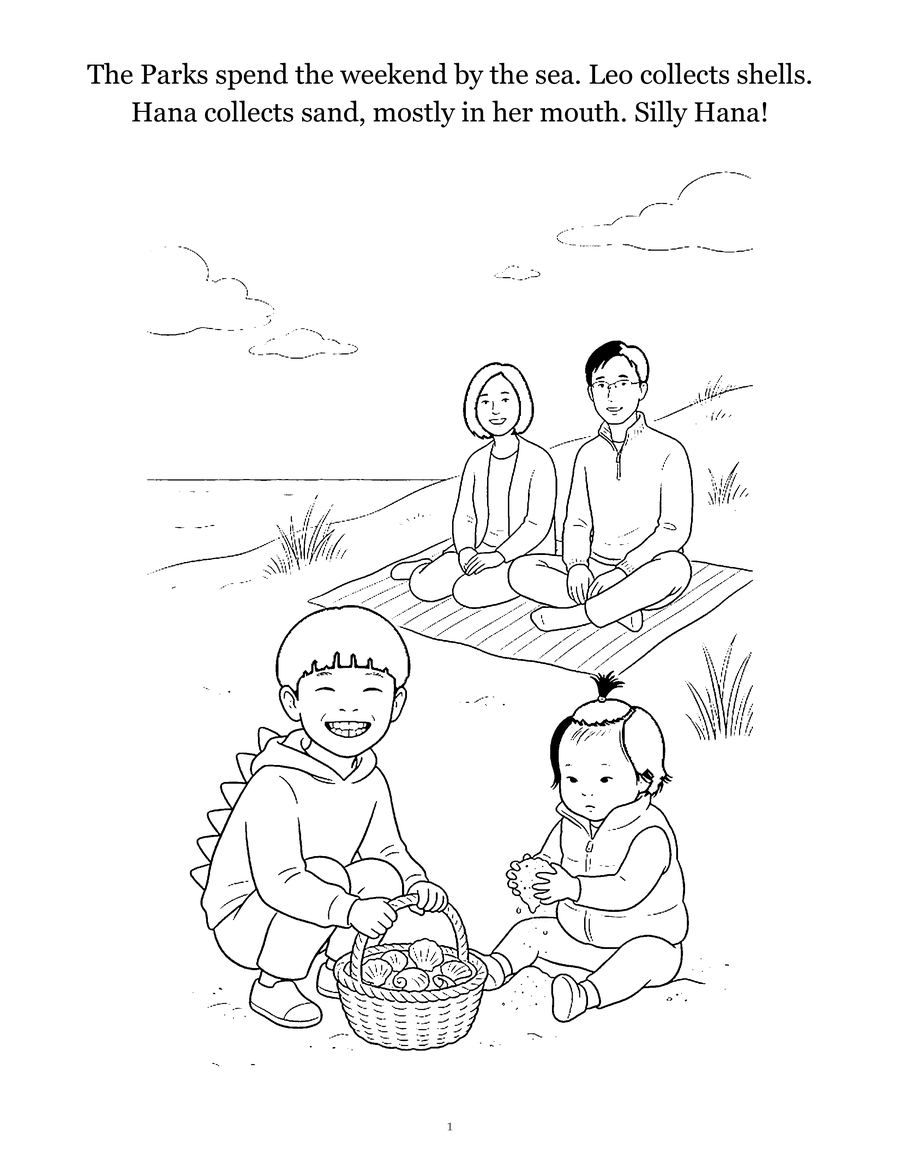
A story about your own dog can help even more: "This is our new puppy. She sleeps in her bed. When she eats, we let her eat. I pet her back with gentle hands. I fill her water bowl." It is basically a social story, and our social stories for toddlers guide has a template. Print it out and let your child color it. If you would rather have it drawn, several makers do custom pet and family books; Colorkin's coloring storybooks can include the family and up to two pets, drafted with AI illustration tools from your photos and finished by a person.
A new dog is a new family member, and a lot of the advice in preparing a toddler for a new baby carries over: small steps, extra one-on-one time, patience with jealousy. More guides are in big moments.
Questions parents ask
Is it a good idea to get a puppy with a toddler?
It can work, but the AAP and the AVMA both suggest it may be safest to wait until children are older than 4, and the AAP notes a puppy may nip from friskiness. If you go ahead, plan for constant supervision, and consider that a calm adult dog can be an easier fit.
How do I introduce my toddler to a new puppy?
Keep it short and calm. Have your child sit still, let the puppy come and sniff, then show them how to stroke its back gently with a flat hand, away from the face and tail. End before the puppy gets overexcited.
Can I leave my toddler and the dog in the same room?
Not alone. The AAP, the AVMA and KidsHealth all say never to leave a young child alone with a dog, however well behaved, because any dog can bite.
What jobs can a toddler do for a new puppy?
Small ones with you: filling the water bowl, putting a toy back in the toy basket, helping hold the leash on a walk. The AAP suggests kids around 5 and older can start helping with simple chores like these.
See your own family on a page, free
The family dog can star in the story too. Send one photo of your child, or your child with the new puppy, for a free sample coloring page, no card needed.
Get a free sample page- American Veterinary Medical Association, Preventing dog bites
- HealthyChildren.org (AAP), Dog Bite Prevention Tips
- HealthyChildren.org (AAP), How old should my children be before we adopt a pet?
- HealthyChildren.org (AAP), Before Choosing a Pet: What Parents Need to Know
- Nemours KidsHealth, Dog Bites
- Nemours KidsHealth, Infections That Pets Carry
More in Big moments
Weaning off the pacifier: when to stop and the story approach
When to wean a toddler off the pacifier, what the AAP and pediatric dentists say, and how a short story about giving it up makes the goodbye easier.
Toddler scared of haircuts? How to make the first cut easier
Why toddlers fear haircuts and how to help: practice at home, picture books, the right salon and time, small steps for sensitive kids and what to do on the day.
Starting daycare: easing drop-off for you and your child
How to start daycare with less crying: visits and practice runs, a goodbye ritual, what to tell the teacher, books about saying goodbye and when to worry.