Guides / Personalized coloring books
Personalized coloring books for toddlers: what works at 1 to 3
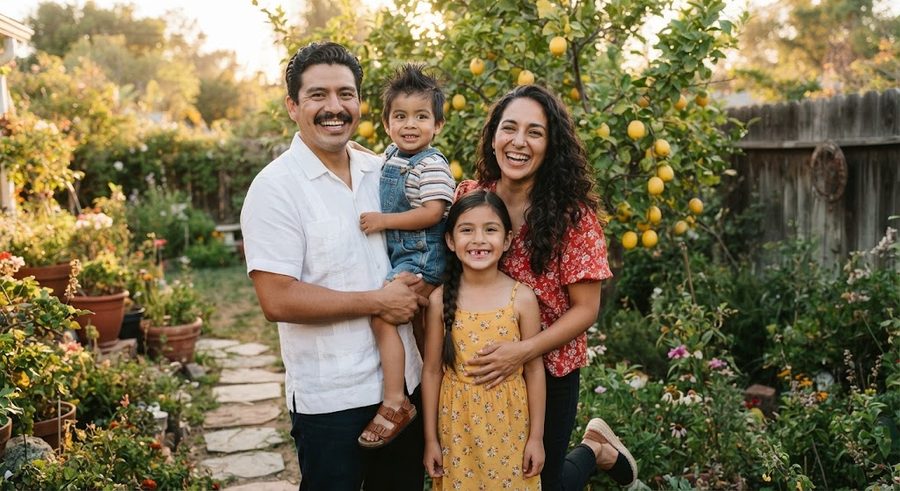
A personalized coloring book works for a toddler when it is short, has thick outlines and big simple pictures, is printed on sturdy one-sided paper, and shows people the child knows. At 1, it is a picture book you look at together with a bit of scribbling. At 2, it is scribbling with purpose. By 3, many kids will try to color a shape. The personal part matters less for the coloring than for the looking. My own kids keep coming back to the pages that show them.
Most coloring books are designed for older kids, so it is worth knowing what to look for at this age.
What toddlers can actually do with a coloring book
The CDC milestones give a realistic picture. Each one is a skill most children have by that age, so earlier is common.
| Age | Relevant CDC milestone | What the book should be |
|---|---|---|
| 18 months | "Scribbles" and "Looks at a few pages in a book with you" (CDC) | A book to look at together, with a few pages to scribble on |
| 2 years | "Points to things in a book when you ask" (CDC) | Pages you can talk about: "Where is the dog? Where are you?" |
| 3 years | "Draws a circle, when you show him how" and "Says what action is happening in a picture or book when asked" (CDC) | Simple coloring pages with a small story behind them |
Zero to Three describes the same arc in stages: random scribbling from about 15 months to 2½ years, then controlled scribbling from 2 to 3, then lines and patterns from about 2½. Nowhere in that list is "colors inside the lines". If your two-year-old covers a whole page in one green swirl, the book is working.
For the full age-by-age picture, see when toddlers can start coloring.
Line weight and page design
This is where most books fail toddlers, and where personalized books made from photos can fail worst, because a photo carries far more detail than a small child can use.
- Thick outlines. Lines should be bold enough to see from across the table. Thin, sketchy lines disappear under a crayon.
- One subject per page. Your child and the dog, large. Not your child, the dog, a garden, a fence and twelve birds.
- Big closed shapes. Areas the size of a toddler's palm are easy to fill. Hair rendered as hundreds of strands is not.
- Plenty of white space. Toddlers scribble well past the edges of things. Give them room.
- Simple faces. A recognizable hairstyle and a smile read better than a fully shaded face.
When you look at a sample from any maker, imagine a fat crayon in a fist going over it. If the page would turn to mud, ask for simpler art. When I made the first coloring storybook for my own kids, what struck me was how little detail it took for them to recognize themselves. Simple lines were plenty.
Page count and format
- 10 to 16 pages is plenty. A toddler does not need a long book, and a short one you can finish together feels like a whole thing.
- Pages printed on one side. Markers bleed. Print-on-demand printer Lulu advises printing coloring pages on one side only to prevent show-through, and for toddlers it also means a ruined page does not ruin the next one.
- Lay-flat binding helps. A book that snaps shut while a toddler is coloring ends the session. Coil binding, or a PDF you print as loose sheets, avoids that.
- Big format. Letter size (8.5 x 11 inches) gives room for big arm movements.
- A PDF is a toddler's friend. If you can reprint the page with their face on it, it does not matter that the first copy got torn, chewed or colored entirely brown.
Durability and safety
Toddler books get grabbed, sat on and mouthed, so plan for it.
- Paper weight. Heavier paper survives longer and takes markers better. Thin printer paper tears as soon as a crayon pushes hard.
- Supervise the crayons. The AAP's choking prevention guidance lists pen or marker caps among household choking hazards. Chunky crayons, handed over one at a time, are the simplest start.
- Look for the AP seal. Products with the ACMI Approved Product (AP) seal have been evaluated by board-certified toxicologists, and ACMI recommends checking for it on art materials for children in sixth grade or younger.
- Keep the keepsake copy separate. If the book is also a gift you want to keep, get a PDF or a second copy so the toddler can wreck one.
For supplies, see our comparison of crayons vs markers for toddlers.
Name, photo or story: which kind suits a toddler
- Name-only books are fine for kids who are already excited about their name, which is usually closer to preschool. A one-year-old will not notice the name.
- Pages made from photos are great at this age if the line art is simple. The draw is recognition: pointing at a page and naming the people in it.
- A short story starring the family fits from around 2 to 3, as kids start saying what is happening in a picture, a CDC milestone by 3. It can also help with a big change coming, like a new baby or starting daycare.
- Homemade pages are a good fit for toddlers because you can make the lines as thick as you like. Our free photo-to-coloring-page guide shows how.
If you order one, Colorkin pages are drafted with AI illustration tools from your photos and a person checks each page for likeness and print quality,. Whoever makes it, ask for thick lines and test a sample page before buying a whole book.
Getting a toddler to actually use it
Tape the page to the table so it does not slide. Sit with them. Name what you see: "That's you. That's Grandma's cat." Let them pick one color and stop whenever they want. A two-minute session that ends with them pointing at their own face on the page is a good one.
More guides on choosing a book, including cost and ordering, are on the personalized coloring books hub.
Questions parents ask
Is a personalized coloring book good for a 1-year-old?
As something to look at together, yes. Most children scribble by 18 months, so at 1 the coloring is random marks with an adult right there. Pick a short book with big, simple pictures and expect it to get a bit chewed.
What should a coloring book for a 2-year-old look like?
Thick outlines, one big subject per page, lots of empty space, and no tiny details. Ten to sixteen pages is plenty. Pages printed on one side stop marker bleed from ruining the next picture.
Are personalized coloring books better than regular ones for toddlers?
Not for the coloring itself. Where they can help is the looking: a page that shows their own family gives you both something to point at and name together.
What crayons are safe for toddlers?
Look for the ACMI AP seal, which means the product was evaluated by toxicologists as non-toxic for children. Choose chunky crayons that are hard to break into small pieces, and keep marker caps away from children, since the AAP lists them as a choking hazard.
See your own family on a page, free
Toddlers color longest when the picture is of them. Send one photo and we will email you a free sample page with thick, toddler-friendly lines, so you can try it before buying.
Get a free sample pageMore in Personalized coloring books
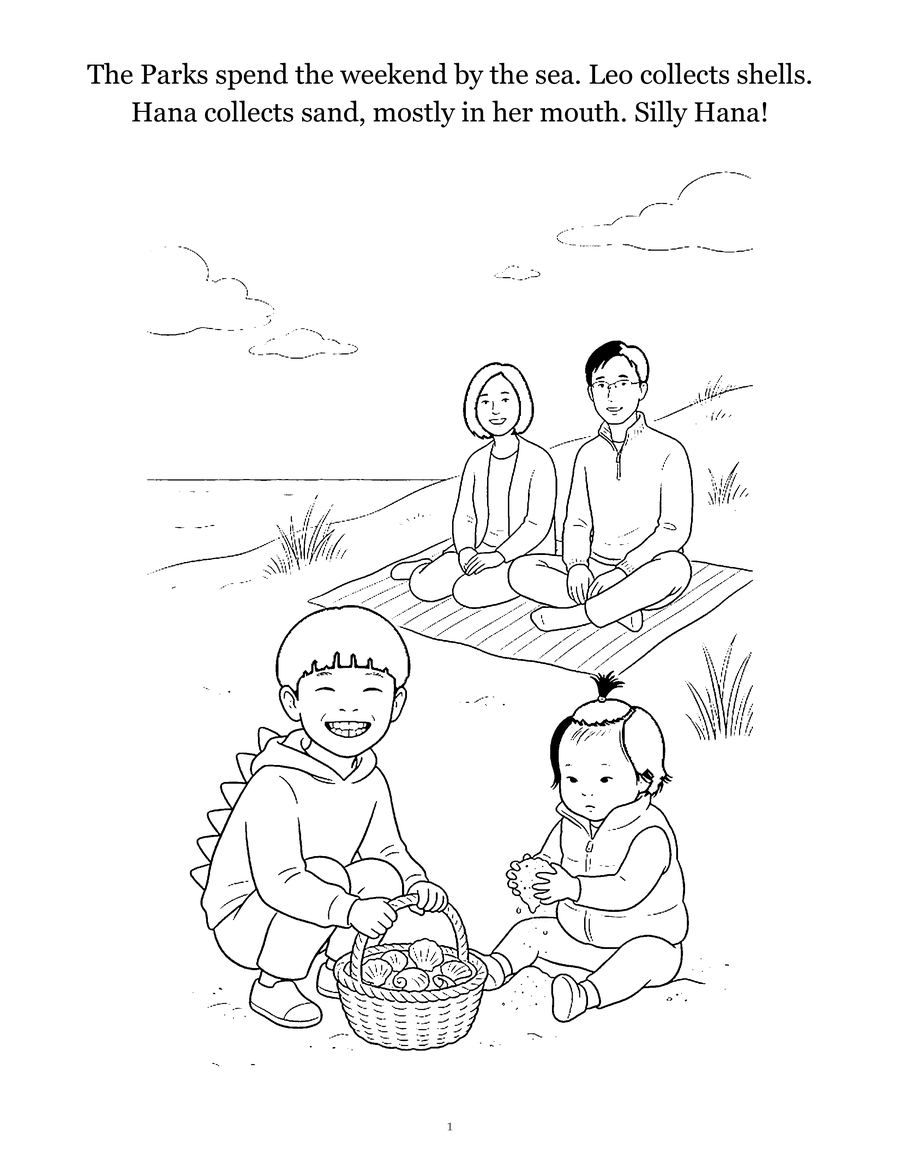
Personalized coloring books from your photos: how they work
How custom coloring books made from your photos work, the four kinds you can buy or make, what to check before ordering, and how to get one free.
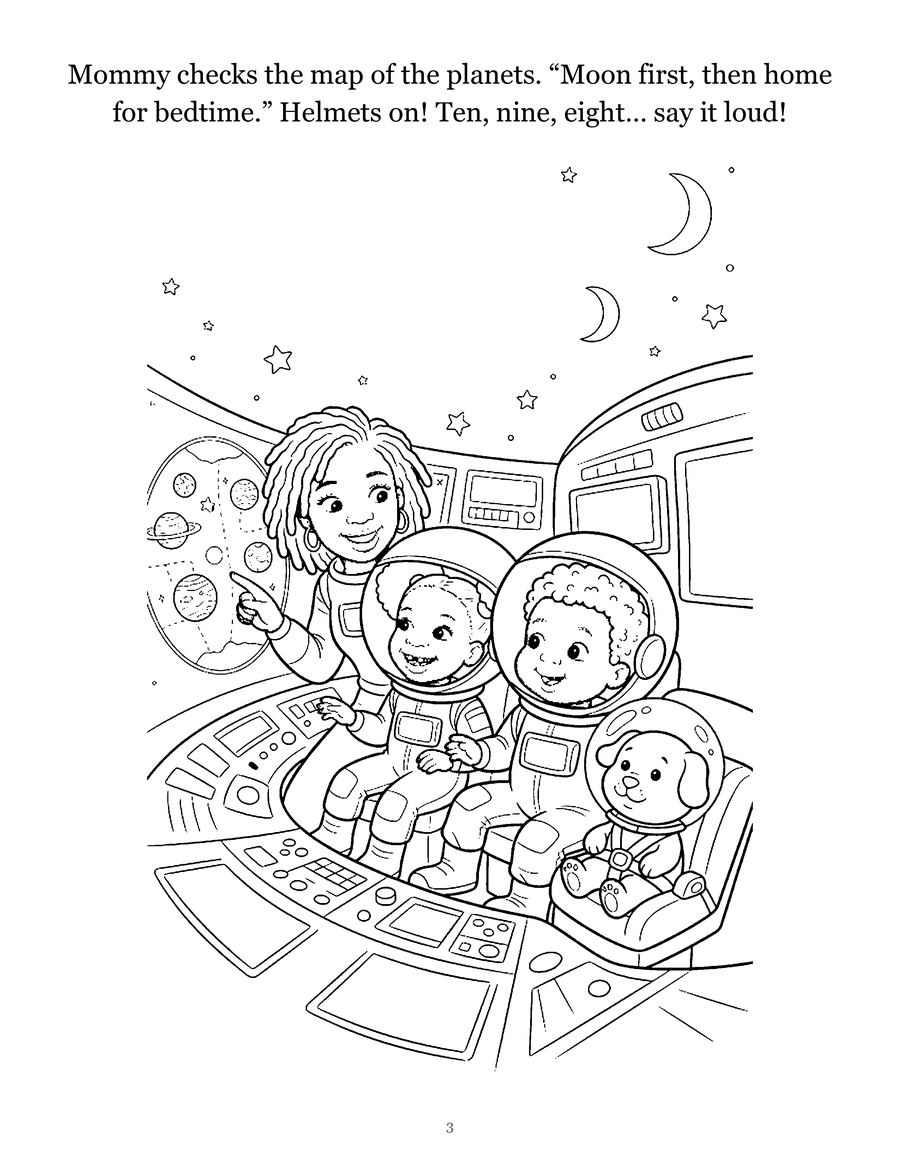
Name vs photo personalized books: which is worth it?
Name-only personalized kids books vs books made from your photos: what each does at each age, what they cost, when a name is enough and when a face matters.
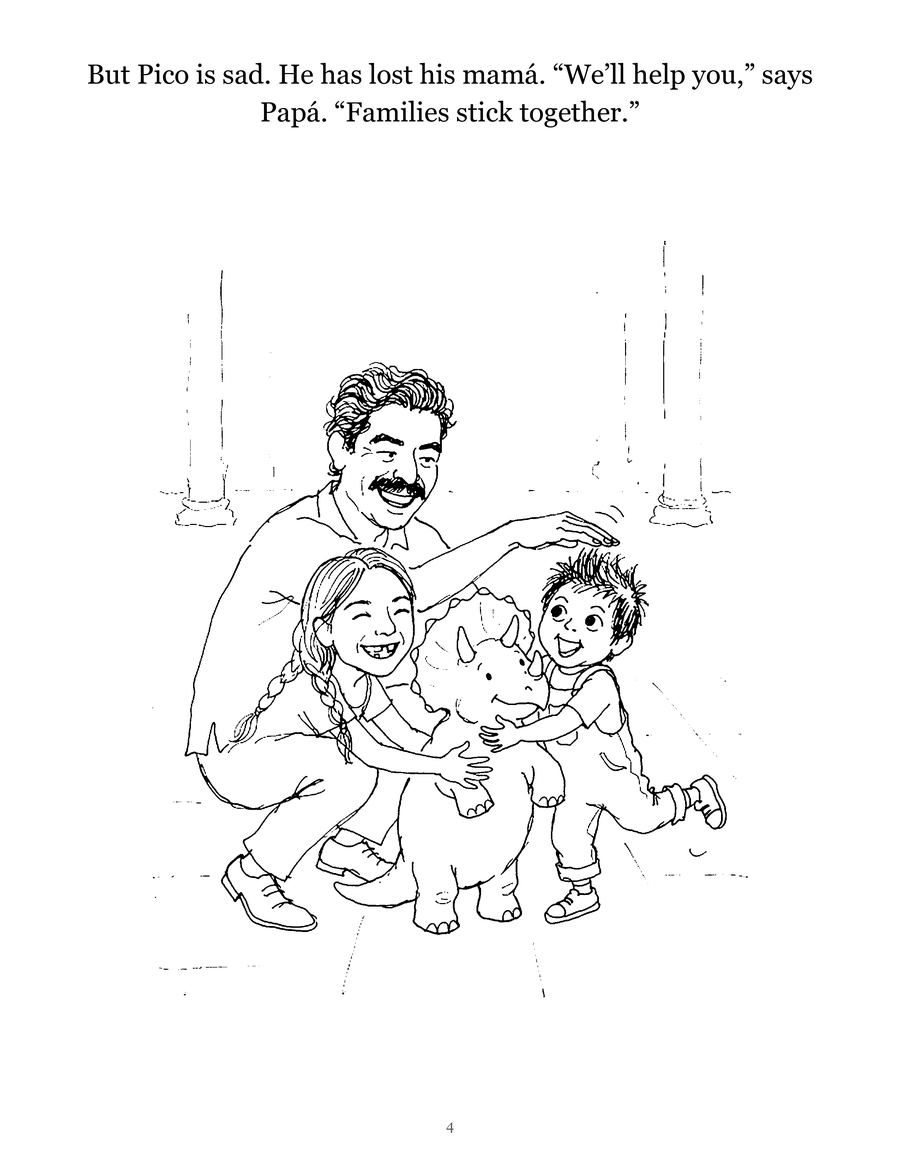
How to order a custom coloring book (and which photos to send)
A step-by-step guide to ordering a custom coloring book: the photo checklist, the questions to ask any maker, and a timeline that gets it there before the gift.