Guides / Coloring and development
When can toddlers start coloring? Ages, grips and first steps
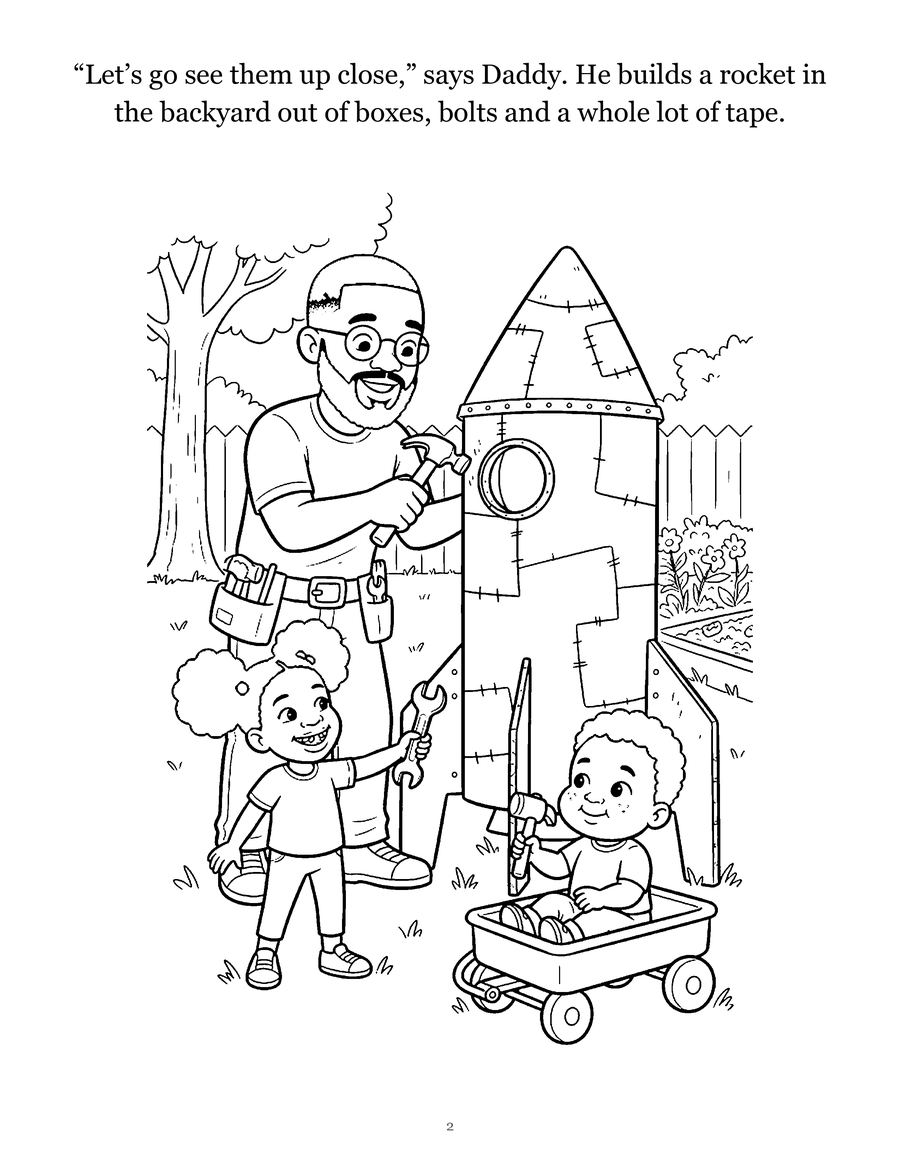
Most toddlers can start coloring, in the scribbling sense, somewhere between their first birthday and 18 months. The CDC lists "Scribbles" as a milestone by 18 months. Coloring a picture comes much later: copying a circle shows up around 3, a finger grip around 4. So the honest answer is that a toddler can start any day you hand them a fat crayon, as long as you expect scribbles and stay close.
When I made the first coloring storybook for my daughter, I half expected neat pages. What I got was a lot of happy scribbling and a kid who wanted to see herself in the book again and again. That turned out to be exactly right for her age.
What the milestones actually say, age by age
The CDC's checklists were rewritten in 2022 by a working group convened by the American Academy of Pediatrics, and each milestone is now one that most children (75 percent or more) are expected to reach by that age. That matters: these are not averages, so a child who hits one early is not unusual and a child who misses one by a few weeks is still in the normal range. Here are the ones that touch coloring and drawing.
| By this age | CDC milestone | What it means for coloring |
|---|---|---|
| 18 months | "Scribbles" (movement) | Random marks are the activity. Big paper, one crayon at a time. |
| 3 years | "Draws a circle, when you show him how" (cognitive) | They can copy a simple shape. Pages with large, simple outlines start to make sense. |
| 4 years | "Holds crayon or pencil between fingers and thumb (not a fist)" and "Draws a person with three or more body parts" | Finer coloring, choosing colors on purpose, adding their own details. |
| 5 years | "Writes some letters in her name" and "Pays attention for 5 to 10 minutes during activities" | Real coloring sessions, often with a story or a plan behind the colors. |
Sources: CDC Milestones in Action pages for 3 years, 4 years and 5 years.
Notice what is not on the list. There is no CDC milestone for coloring inside the lines, and no age at which a child is supposed to fill a whole page. If your three-year-old colors one corner and announces she is finished, that is a finished page.
Starting under 2: scribbling is the point
For a one-year-old, coloring is a movement game. The arm swings, a mark appears, and the mark is the exciting part. A few things make it go better:
- Tape the paper down. A sheet that slides away is the most common reason a toddler gives up. Taping it to the table or the floor fixes that.
- Try a wall. Nemours' early literacy program suggests taping large paper to a washable vertical surface at the child's reach for toddlers from 18 to 23 months, staying nearby and describing what they draw ("look at all those curvy red lines").
- Fat crayons, one at a time. Chunky or egg-shaped crayons are easier for a fist to hold, and handing over one color at a time keeps the rest out of their mouth. For a full comparison of crayons, markers and paint sticks at this age, see crayons vs markers for toddlers.
- Stay within arm's reach. Everything goes in the mouth at this age, and walls are tempting.
Short is fine. Two minutes of scribbling is a good session for a toddler.
From 2 to 3: shapes and the first "what is it?"
Somewhere in this stretch the scribbles start to change. You will see loops, back-and-forth lines, and then a rough closed shape. By 3, the CDC expects most children to draw a circle when you show them how. That is the moment coloring pages start to work, if they are simple: one big object, thick outlines, lots of space.
This is also when kids begin naming their scribbles after the fact. "That's Daddy." Go with it. Ask about it rather than guessing.
A therapy handout from St. Jude lists the order occupational therapists use for early pencil skills: scribbling first, then copying straight lines, then copying shapes like a circle, cross, square and triangle. If you want to nudge things along, that order is a good guide: draw a line, hand over the crayon, say "your turn".
From 3 to 5: real coloring pages
By 4, most kids hold a crayon in their fingers instead of their fist, and they draw a person with at least three body parts. By 5, the CDC milestone is paying attention for 5 to 10 minutes during activities like arts and crafts. Put those together and you get the age when a child will sit with a coloring page, pick colors on purpose ("his shirt is blue because it IS blue"), and come back to it later.
What helps most at this stage is a page they care about. Dinosaurs, trucks, a favorite character, or their own family. The pages my kids come back to are the ones with them in it. A child who cares about the picture will stretch that 5 to 10 minutes on their own.
If your child is not interested yet, that is normal too. More on what coloring does and does not do for development is in benefits of coloring for toddlers, and the full set of guides is under coloring and development.
Signs to mention at a checkup
Coloring interest varies a lot from child to child, and a kid who prefers blocks to crayons is not behind. The CDC milestones exist so parents and pediatricians can spot patterns early, not to grade art. If your child is not scribbling at all by 18 months, does not use their hands much for anything, or has lost skills they had, bring it up at the next well visit. The CDC's checklists are free to print and fill in before the appointment.
A simple starter kit by age
- 12 to 24 months: chunky crayons or crayon "rocks", large paper taped down, one color at a time, an adult right there.
- 2 to 3 years: add washable markers with fat tips and simple pages with one big shape. A homemade page works fine: trace a photo of your kid with a thick marker (here is how to turn a photo into a coloring page for free).
- 3 to 5 years: regular crayons, colored pencils for the older end, coloring books with real scenes, and stories they can color as they go.
None of this needs to be expensive. A box of crayons and the back of an envelope is a complete coloring program for a toddler.
Questions parents ask
At what age can a toddler start coloring?
Most children scribble by 18 months, which is the CDC's milestone age for it. Many start making marks earlier if you hand them a chunky crayon and stay close.
Can a 1-year-old use crayons?
Yes, with an adult right there. Use thick crayons, tape the paper down, and expect mouthing. Scribbling is the whole activity at this age.
When do kids hold a crayon correctly?
The CDC lists holding a crayon or pencil between fingers and thumb, not a fist, as a milestone by 4 years. A fist grip before then is normal.
When do kids color inside the lines?
No CDC milestone covers it. Copying a circle shows up around 3 and drawing a person with three or more body parts around 4, so staying near a line usually comes in the preschool years.
See your own family on a page, free
Toddlers color longest when the page is about them. Send one photo and we will draw a free coloring page of your family so you can see if it holds their attention.
Get a free sample page- CDC, Milestones in Action: By 18 Months
- CDC, Milestones in Action: By 3 Years
- CDC, Milestones in Action: By 4 Years
- CDC, Milestones in Action: By 5 Years
- Zubler et al., Evidence-Informed Milestones for Developmental Surveillance Tools, Pediatrics 2022
- Nemours Reading BrightStart, First Writing Exploration (18 to 23 months)
- St. Jude Together, Therapy to Go: Paper and Crayons
More in Coloring and development
When do toddlers recognize themselves in mirrors and photos?
Babies enjoy mirrors by 6 months, but most recognize themselves around 18 to 24 months, and photos of the past make sense later. What the mirror test shows.
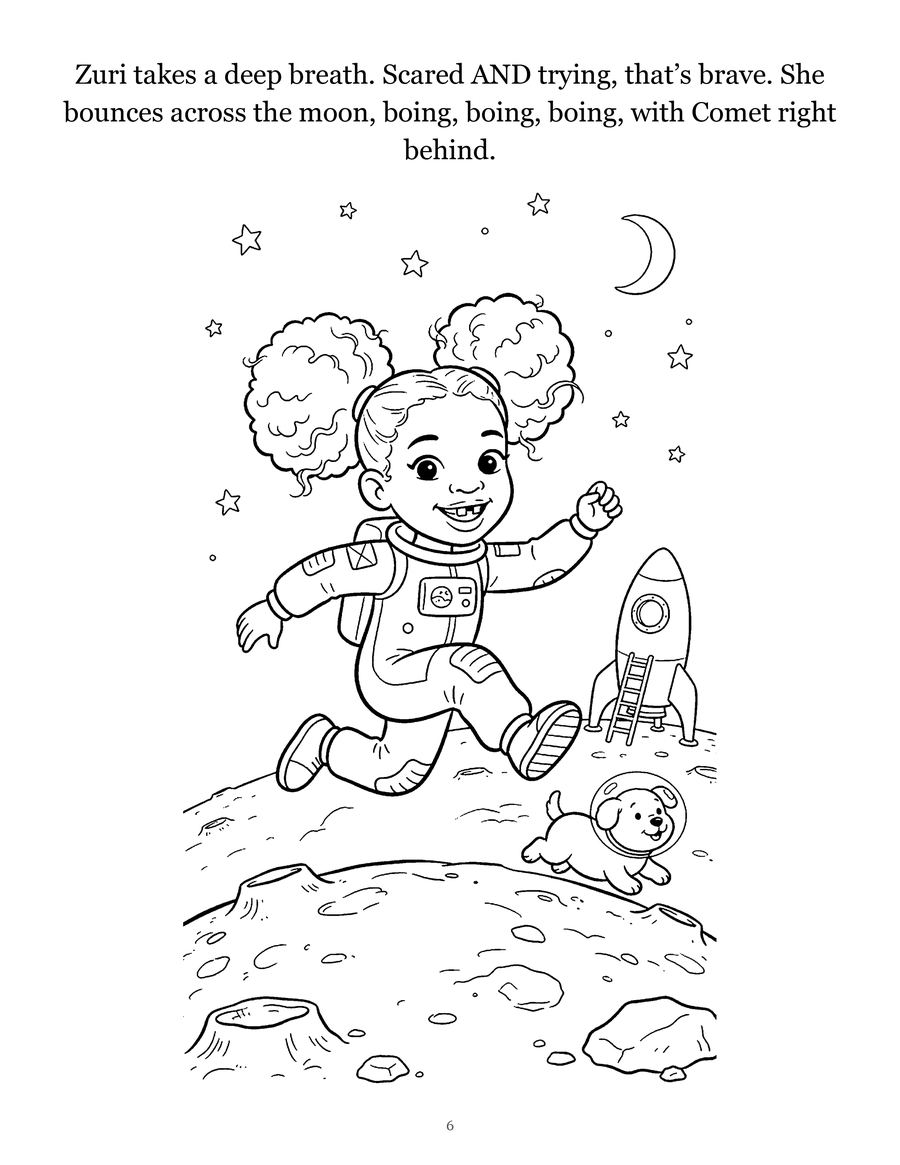
When do toddlers learn colors? Ages, mix-ups and how to help
Most toddlers know one color by 30 months and name a few by 4, per the CDC. Why color words come slowly, why mix-ups are normal, and easy ways to help.
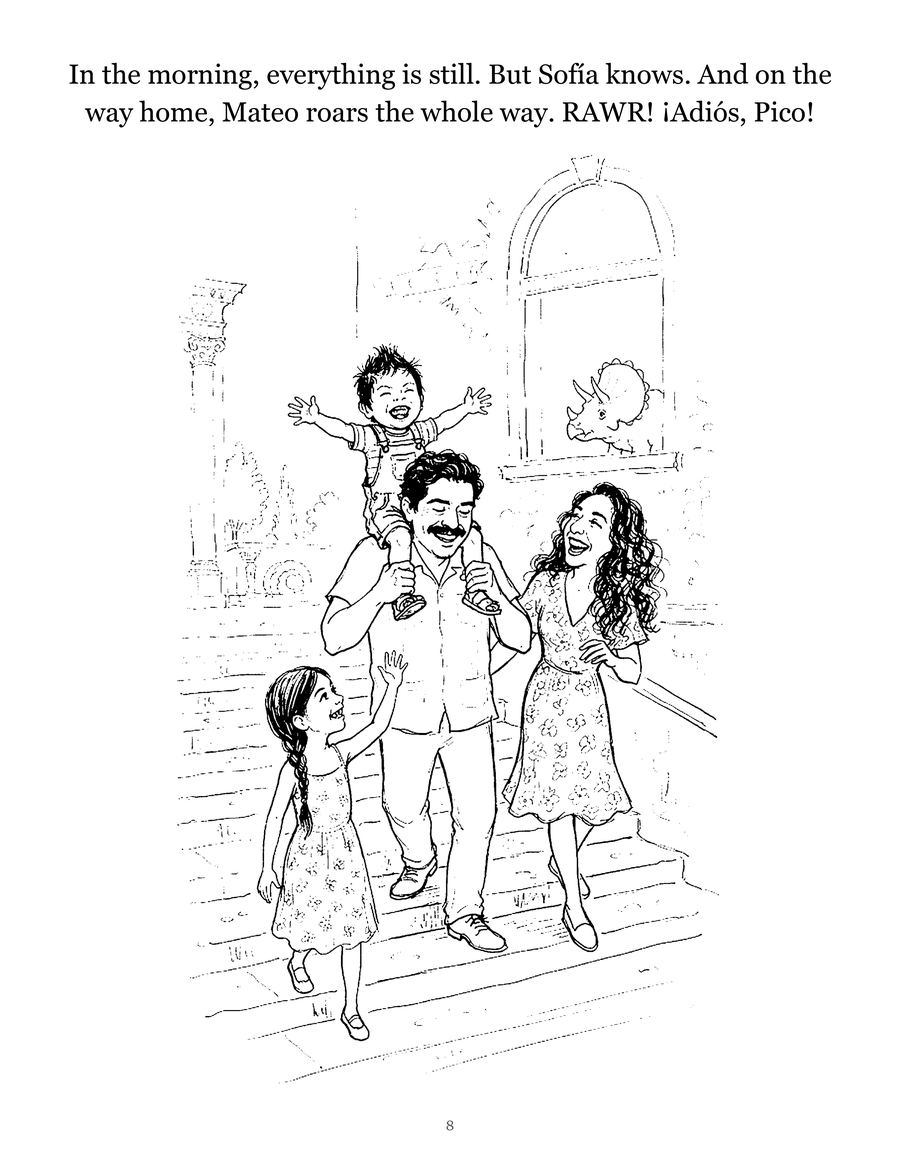
Stages of drawing development in children: scribbles to people
How children's drawing develops from random scribbles at 15 months to tadpole people around 3 and detailed figures by 5, and what each stage means.