Guides / Coloring and development
Benefits of coloring for toddlers: what the evidence says
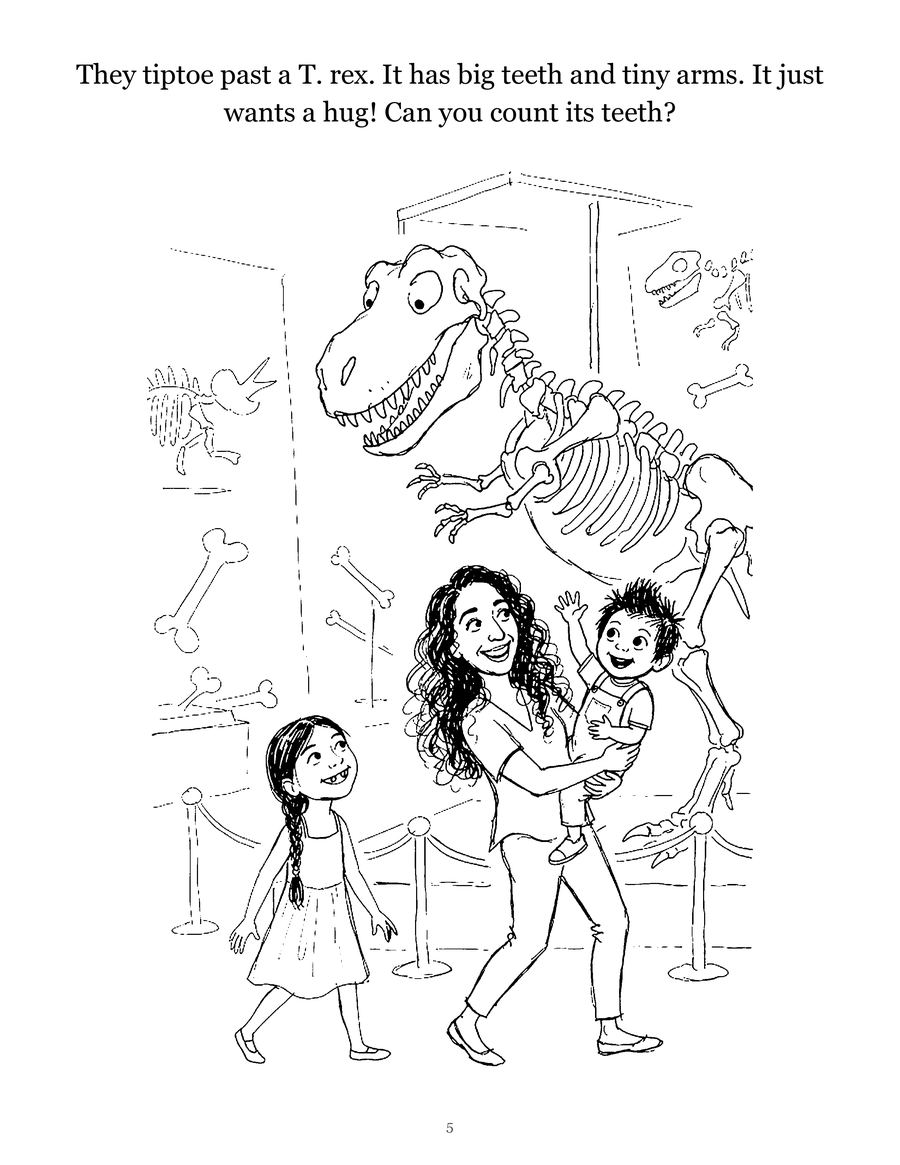
Coloring is good for toddlers in a modest, real way: it gives small hands practice holding and steering a tool, it is part of how scribbles turn into drawing and later into letters, and it is easy time to spend together. What the evidence does not show is that coloring books are special. Most of the benefit comes from making marks at all, with a grown-up nearby, on blank paper or on a page.
I started looking into this after I made the first coloring storybook for my daughter and wanted to know whether I was doing something useful or just something fun. The honest answer turned out to be: both, as long as you do not oversell it.
What coloring actually practices
Hand control. Scribbling is on the CDC's list of things most children do by 18 months, and by 4 the milestone is holding a crayon or pencil between fingers and thumb instead of a fist. Getting from one to the other takes thousands of small movements, and crayons on paper are one of the easiest ways to rack them up.
The steps toward drawing and writing. Zero to Three, the early childhood nonprofit, describes a progression from random scribbling (about 15 months to 2 and a half years) through controlled scribbling, lines and patterns, and pictures of people and objects between 3 and 5, then letter practice. Its point is that each stage builds on the one before, and that the timing varies a lot between children who are all developing normally. Coloring a page fits in the middle of that sequence: once a child can control a line, a shape to aim at gives the practice a purpose.
Talking and connection. A 2015 paper in Frontiers in Psychology argues that toddler scribbling is sparked and maintained by children's relationship with their caregivers, not just a motor exercise. In plain terms, kids scribble more when someone is paying attention to the scribbles. That matches what most parents see: the coloring session is really a conversation with crayons in it.
What the research says about fine motor skills and school
Here is the one finding that gets quoted most, and it is worth reading carefully. A 2010 study in Developmental Psychology pooled several long-running data sets and found that fine motor skills at kindergarten entry were a strong predictor of later achievement, alongside attention and general knowledge of the world.
Two cautions. First, "predicts" is not "causes": kids with better fine motor skills may differ in other ways too. Second, the study measured fine motor skills in general, not coloring. It does not show that coloring books raise test scores. What it does support is the common-sense idea that small-hand skills matter, and that giving toddlers plenty of chances to use their hands is time well spent. Coloring is one of those chances, along with play dough, stacking blocks, buttons, puzzles and feeding themselves.
Claims to be skeptical of
A lot of articles list ten or fifteen benefits of coloring. Many of them are not backed by anything a parent could check. Some to treat with care:
- "Coloring reduces anxiety in children." There is some evidence, but not for toddlers. One example: a randomized trial in a Turkish hospital found that mandala coloring lowered fear, anxiety and pain scores in children aged 6 to 12 having a minor surgery, compared with no activity. That is a real result in older kids in a stressful setting, with 78 children. It does not tell us much about a two-year-old at the kitchen table.
- "Coloring builds creativity." Coloring someone else's outline is fairly structured. If creativity is the goal, blank paper and open-ended art probably do more. That is not a reason to skip coloring pages, just a reason to mix in blank paper.
- "Coloring inside the lines shows readiness for school." No CDC milestone covers coloring inside the lines. Early coloring is supposed to go everywhere.
- "Coloring improves color recognition." Naming colors is a CDC milestone by 4, and coloring gives you lots of chances to talk about colors, but there is no research showing coloring teaches colors better than any other everyday talk about colors.
How to get the real benefits
You do not need special products. A few habits make more difference than any coloring book:
- Sit with them. Describe what they are doing ("you made a long blue line"), ask what it is, and let them be the expert. The talk is half the value.
- Mix blank paper with pages. Scribbling freely under 3, simple pages with big shapes from around 3, more detailed pages as grip matures. Our guide on when toddlers can start coloring lays out the ages.
- Pick tools that fit small hands. Chunky crayons and fat washable markers are easier to control. There is a full comparison in crayons vs markers for toddlers.
- Keep it short. Two to five minutes is a fine session for a toddler. Stop while it is still fun.
- Make it about them. Kids color longer when the picture matters to them. A page of their dog, their house or themselves works better than a generic cartoon. You can make one free at home by turning a photo into a coloring page.
That last one is the reason Colorkin exists. My kids would color a cartoon for a minute and then wander off, but they kept coming back to a page with them on it. That is a sample of two, not a study, so take it as a parent's observation rather than evidence.
The bottom line for parents
Coloring is a good, cheap, low-mess way for toddlers to practice using their hands and to spend time with you. It is not a developmental shortcut and it does not need to be neat to count. If your child would rather stack blocks or squish play dough today, those use the same small muscles. More guides on how kids develop through drawing and play are collected under coloring and development.
Questions parents ask
Is coloring good for toddlers?
Yes, as one activity among many. It gives small hands practice controlling a tool and it is easy, cheap time together. It is not uniquely better than play dough, blocks or drawing on a blank page.
Does coloring help fine motor skills?
Coloring uses fine motor skills, and practice with crayons is part of how grip matures. There is little research testing coloring books on their own; most evidence is about fine motor practice in general.
Does coloring calm kids down?
Small hospital trials in school-age children found coloring lowered reported anxiety before procedures. There is no good evidence yet for toddlers, though many parents use it as a quiet activity.
Is free drawing better than coloring pages?
Both have a place. Blank paper lets toddlers scribble and invent, which is how early drawing develops. Coloring pages add a subject to talk about and a target to aim at once kids are around 3.
See your own family on a page, free
The coloring sessions that last longest are the ones about your kid. Send one photo and we will draw a free page of your family, no card needed.
Get a free sample page- Zero to Three, Learning to Write and Draw
- CDC, Milestones in Action: By 18 Months
- CDC, Milestones in Action: By 4 Years
- Grissmer et al., Fine motor skills and early comprehension of the world: two new school readiness indicators, Developmental Psychology 2010
- Longobardi, Quaglia and Iotti, Reconsidering the scribbling stage of drawing, Frontiers in Psychology 2015
- Mandala coloring reduces anxiety and pain in circumcised children: a randomized controlled trial, J Pediatr Nurs 2025
More in Coloring and development
When do toddlers recognize themselves in mirrors and photos?
Babies enjoy mirrors by 6 months, but most recognize themselves around 18 to 24 months, and photos of the past make sense later. What the mirror test shows.
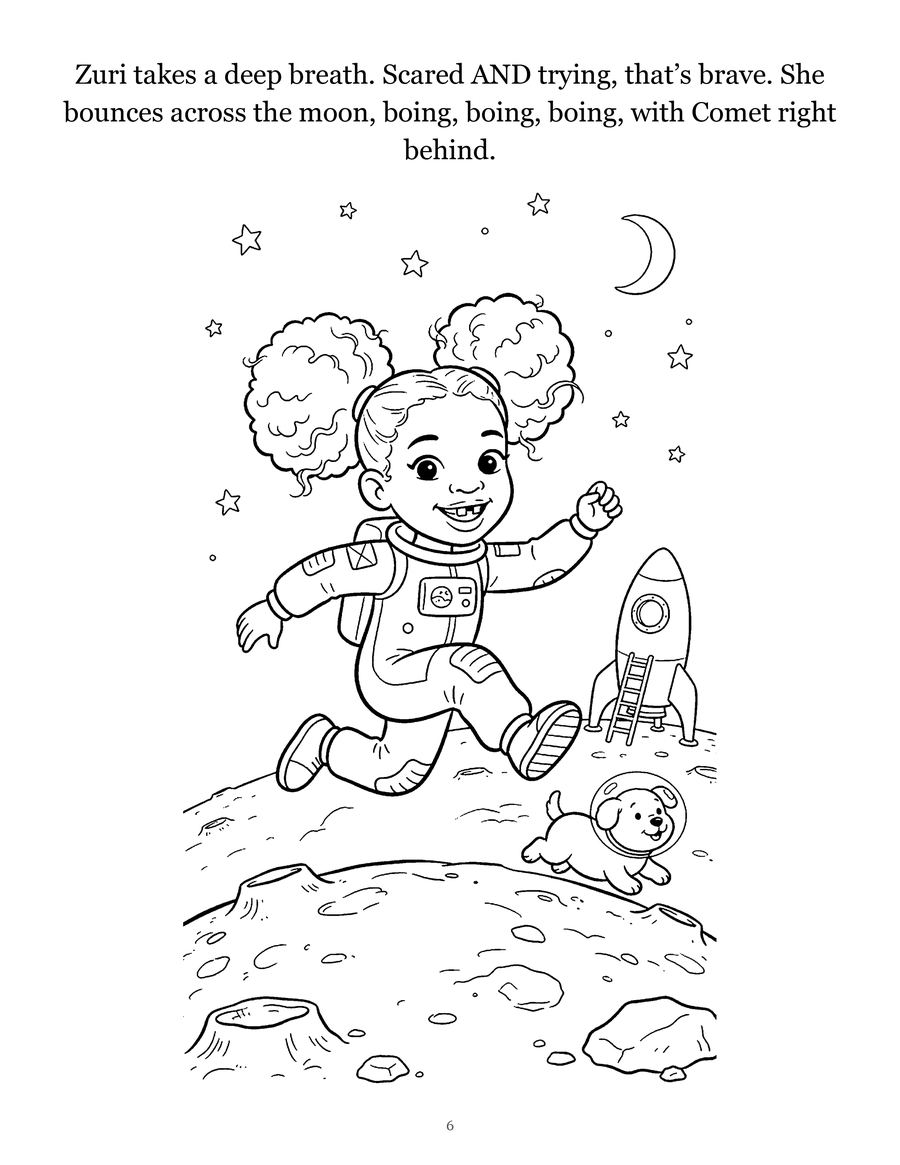
When do toddlers learn colors? Ages, mix-ups and how to help
Most toddlers know one color by 30 months and name a few by 4, per the CDC. Why color words come slowly, why mix-ups are normal, and easy ways to help.
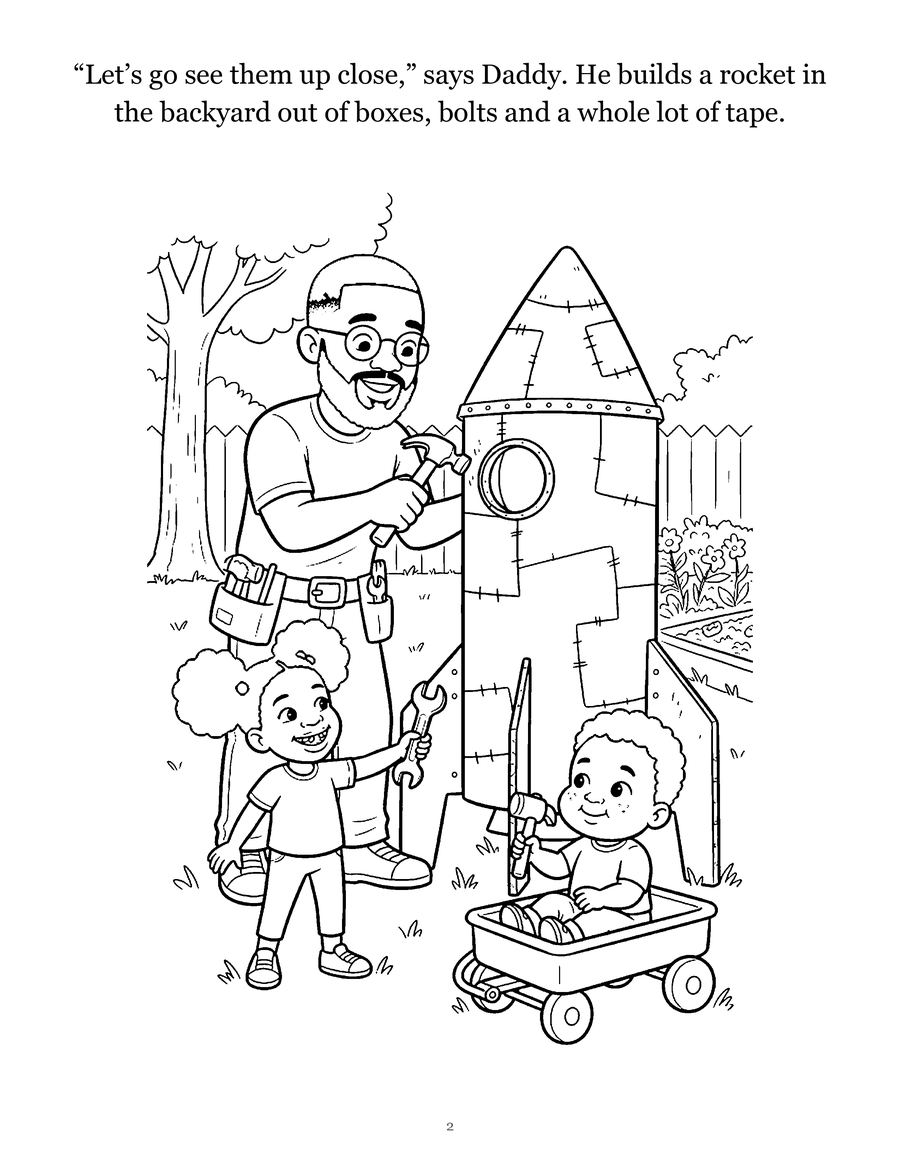
When can toddlers start coloring? Ages, grips and first steps
Most kids scribble by 18 months, copy a circle around 3 and hold a crayon in their fingers by 4. What to expect at each age and how to start.