How to prepare your child for the first day of preschool
To prepare your child for the first day of preschool, make the new place familiar before it is new: visit and play there, read about preschool, practice the goodbye at home, and move to the school bedtime two weeks ahead. On the day itself, stay a short while, say a quick and cheerful goodbye, and do not go back in. Most of the work happens in the weeks before, and almost all of it is play.
As the dad of a three-year-old, this is a stage I think about a lot. What follows leans on the two sources I trust most for it, ZERO TO THREE and the American Academy of Pediatrics, put in the order you will need it.
A month or more before: make it familiar
- Visit, more than once. ZERO TO THREE suggests touring the building together and going to play on the school playground a few times before your child starts. A place where they have already gone down the slide is half as scary.
- Read about preschool. Borrow several picture books about starting school and talk about how the characters feel, then ask how your child feels. We list good ones in first day of preschool books.
- Play preschool. Take turns being the parent, the child and the teacher: arrive, hang up the coat, sing, have snack, say goodbye, get picked up. Keep it light. The aim is a script your child knows, not a lesson.
- Practice the self-help bits. Unzipping and hanging a coat, putting on a backpack, opening a lunch container. A picnic with the actual lunchbox is a good excuse.
By 3, the CDC lists talking in conversation with at least two back-and-forth exchanges and asking "who", "what", "where" and "why" questions as milestones. That means most three-year-olds can talk through what is coming if you give them the words, and will ask a lot of questions. Answer them plainly, even the tenth time.
Two weeks before: set the routine
ZERO TO THREE's countdown for this stretch is practical:
- Let your child choose a backpack and label everything with their name.
- Plan who does drop off and pick up, and tell your child.
- Start the school bedtime and wake time now, not the night before.
- Sort out any medication or allergy forms with the school.
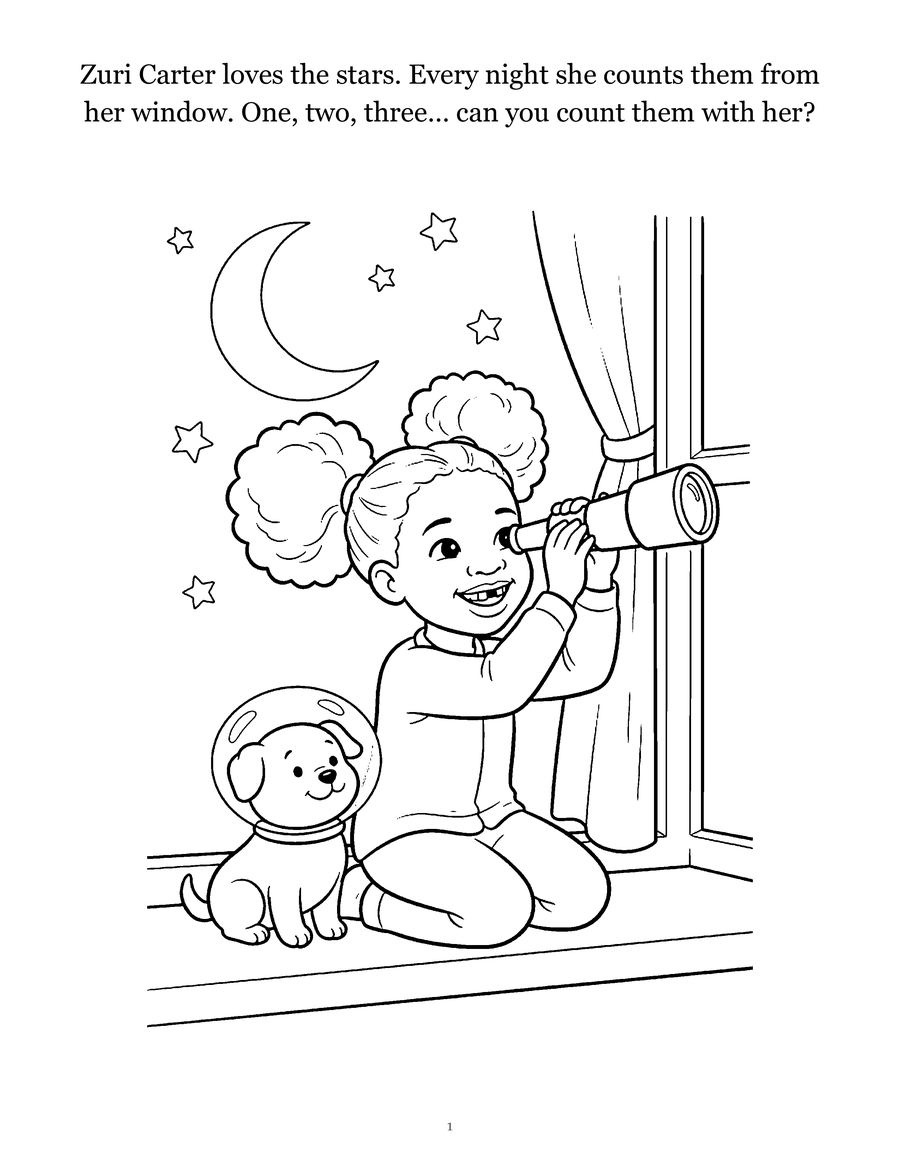
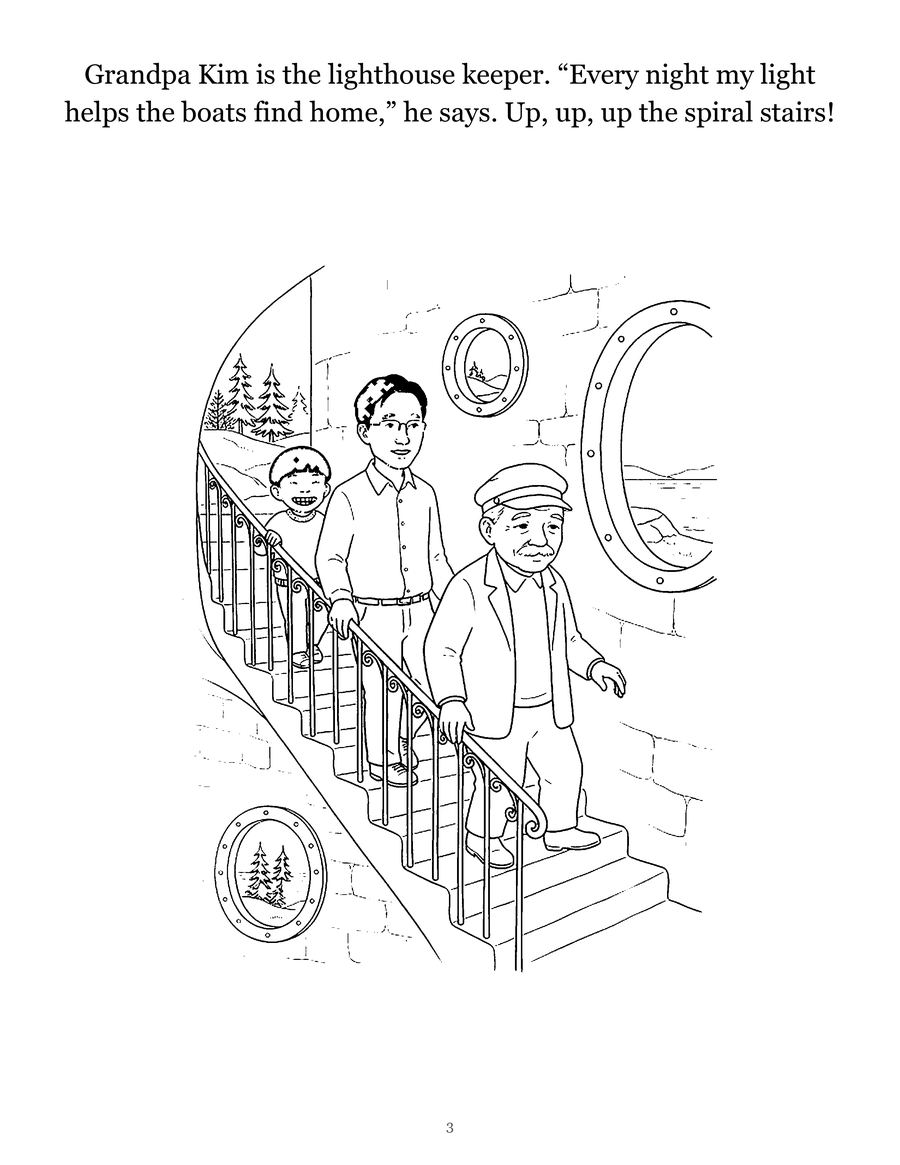
This is also the moment to make a simple book about the preschool day, with your child in it: getting up, breakfast, the car ride, the classroom door, the teacher, playtime, snack, and pickup with a hug. A short, personal story like this is the idea behind social stories for toddlers. Phone photos and a stapler are enough. If you trace the photos into outlines, it doubles as a coloring book, which gives your child a reason to go back to it every day.
The night before and the morning of
- Lay out clothes together. Let them pick, within reason.
- Answer the last questions calmly. Keep bedtime the same as any other night.
- Wake up early. Rushing on day one is the easiest stress to avoid.
- Pack the bag together. Include a comfort item if the school allows it, and a small family photo or photo book. ZERO TO THREE suggests a family photo book your child can keep in the cubby and look at when they feel lonely.
Saying goodbye
This is the part parents dread most, and the advice from both sources is the same: short, warm, and the same every day.
- Stay a little, then go. ZERO TO THREE suggests 15 to 30 minutes exploring the classroom together on the first day, then a cheerful goodbye. If your child is struggling, ask the teacher to stay with them as you leave.
- Use a goodbye ritual. The AAP's pediatrician author suggests you create quick goodbye rituals, like a special wave or triple kisses at the cubby, and keep them short, because if you linger, the transition does too. A kiss on the palm to "hold" all day is another.
- Do not sneak out. Say goodbye every time, even if it brings tears. Trust comes from your child knowing you will tell them when you go and come back when you say.
- Do not go back in. If you are worried, wait outside for a few minutes or call the school later. Returning restarts the goodbye.
Kids read our faces. A calm, confident goodbye from you is one of the most useful things you can give them, even if you cry in the car afterward.
The first few weeks
Expect a mix. Some kids sail through the first day and fall apart in week two when they realize this is every day. Some cling at drop off and are fine five minutes later. ZERO TO THREE notes that clinging, withdrawal, aggression or a step back in skills like toileting can be signs of worry, and suggests extra patience rather than frustration.
A few things help at home:
- Ask specific questions. "Who did you sit next to at snack?" gets more than "How was school?"
- Keep the after-school routine predictable. Snack, quiet time, play.
- Look at the photo book or the preschool story together in the evenings.
- Talk to the teacher if the tears at drop off are not easing after a few weeks.
Making the first day special
Small, cheap traditions go a long way: a first-day photo at the front door every year, a special breakfast, a note in the lunchbox (a drawing works for kids who do not read yet), and an after-school treat or park trip to celebrate. If grandparents are far away, a quick video call that evening lets your child tell the story of the day.
For more help with transitions like this one, see the rest of our big moments guides, including moving books for kids for families starting a new school in a new town.
Questions parents ask
How do I prepare my 3 year old for preschool?
Visit the school and play on its playground a few times, read books about preschool, practice the goodbye routine at home, start the school bedtime two weeks ahead, and let them help pack the backpack.
Should I stay with my child on the first day of preschool?
Briefly. ZERO TO THREE suggests 15 to 30 minutes exploring the room together, then a quick, cheerful goodbye. Lingering tends to make the separation harder.
Is it normal for my child to cry at preschool drop off?
Yes. Separation anxiety at drop off is common and usually eases as the routine becomes familiar. Keep the goodbye short and the same every day.
What should my child bring on the first day?
A labeled backpack, a change of clothes, a comfort item if the school allows it, and a small family photo or photo book to keep in their cubby.
See your own family on a page, free
A page that shows your child walking into their own classroom makes the first day feel known. Send one photo and we will draw a free coloring page, no card needed.
Get a free sample pageMore in Big moments
Toddler scared of haircuts? How to make the first cut easier
Why toddlers fear haircuts and how to help: practice at home, picture books, the right salon and time, small steps for sensitive kids and what to do on the day.
Starting daycare: easing drop-off for you and your child
How to start daycare with less crying: visits and practice runs, a goodbye ritual, what to tell the teacher, books about saying goodbye and when to worry.
Social stories for toddlers: what they are and how to make one
A social story is a short, personal book that walks a child through a new situation before it happens. What the research says and a template for toddlers.