Coloring with a toddler without the mess: a setup that works
To color with a toddler without the mess, give coloring one contained place (a high chair tray, a rimmed baking sheet or a small table on a wipeable mat), put out chunky crayons and a few colors at a time, and keep the supplies out of reach the rest of the day so coloring only happens there. Stay close for the first weeks. On days you cannot face any cleanup at all, switch to tools that only mark special paper or vanish when dry, like water-reveal pads. None of this needs much money: a baking sheet, painter's tape and a cup for crayons do most of the work.
Set up a coloring station
Most toddler mess comes from coloring that wanders: the paper slides, the crayon follows it, and then the crayon finds the wall. A fixed station stops the wandering.
Pick one surface. - The high chair tray is the best option for under-2s. Your child is already strapped in and the tray has edges. - A rimmed baking sheet on the kitchen table holds paper, crayons and stray bits, and goes in the sink after. - A child-size table in the kitchen, not the living room, with a wipeable floor under it. - A big cardboard box your toddler can sit in, with paper taped to the inside walls, is a free version kids like: the walls of the box are the walls they get to color.
Protect what is around it. A cheap shower curtain liner or a plastic tablecloth under the chair catches what falls. An old T-shirt or a smock covers clothes. Our guide on crayons vs markers for toddlers has a few more of these quick tricks, like taping the paper down.
Use big paper. Toddlers color with their whole arm. Zero to Three describes early scribbles as the result of large movements from the shoulder, with the crayon held in the child's fist. A letter-size sheet is too small for that, so the crayon goes off the edge. Tape down a piece of butcher paper, the back of wrapping paper, or a flattened cardboard box.
Choose tools that make less mess
The tool matters as much as the setup.
| Tool | Mess level | Notes |
|---|---|---|
| Chunky crayons | Low | No caps, no bleeding, easy to grip |
| Crayon blocks or egg crayons | Low | Hard to break, harder to throw far |
| Washable markers | Medium | Bright and easy, but caps and bleed-through |
| Dot markers | High | Very satisfying, very wet |
| Regular markers, paint | High | Save for when you can supervise closely |
A few things to know when you buy:
- Look for the AP seal. The Art and Creative Materials Institute says products with its AP seal are certified by a toxicologist to contain no materials in sufficient quantities to be toxic or injurious to humans, including children. Toddlers will taste the crayons. The seal is about safety, not mess, but it means a nibble is not a crisis.
- Watch marker caps. HealthyChildren.org lists pen or marker caps among household items to keep away from young children because of choking. Take caps off before the session and keep them in your pocket, then put them back yourself.
- Hand over three colors, not thirty. Fewer pieces on the tray means fewer on the floor, and toddlers do not miss the rest.
For more on picking a first set, see best crayons for toddlers.
Mess-free options for the bad days
Some days you need coloring with nothing to clean up. These options cost a little or nothing:
- Crayola Color Wonder. Crayola says the inks only appear on specially formulated Color Wonder paper, not skin, clothing or furniture. It needs its own paper, so you are buying refills, but it is good for car trips and restaurant tables.
- Water-reveal pads. Melissa & Doug's Water WOW! pads use a water pen, and the company describes them as no-mess painting for kids. The color shows when wet and fades as it dries, so the pad can be reused.
- Water and a brush on a chalkboard, fence or sidewalk. Free and endlessly repeatable. It evaporates in minutes.
- Paint in a bag. A few blobs of washable paint in a zip-top freezer bag, sealed and taped flat to the table. Toddlers push the color around with their fingers through the plastic. Seal it well and supervise.
- Window or bath crayons in the tub, where the cleanup is already happening.
These are good backups, but they are not a replacement for real crayons on paper.
Habits that keep it contained
The setup works better with a few simple routines.
- Coloring happens at the station. If your child walks off with a crayon, take the crayon, not the fun: "Crayons stay at the table. Do you want to come back and color?"
- Stop before they are done. Toddler attention runs short. Ending while they are still interested beats waiting for the crayon-throwing phase.
- Clean up together. Crayons go back in the cup, one at a time. It takes a minute, and it teaches the routine.
- Give the wall a legal place. If your toddler loves walls, tape a long sheet of paper on one at their height. A place where wall coloring is allowed makes "not on that wall" easier.
- Store supplies up high. Crayons out of reach between sessions is the single best way to avoid surprise art on the couch.
Cleaning up what gets through
It will happen. A few fixes:
- Crayon on a painted wall: start with a dry cloth or a little dish soap and warm water on a soft sponge. Test any stronger cleaner on a hidden spot first.
- Washable marker on skin: soap and water.
- Clothes: treat stains before they dry and follow the care label and the maker's stain advice for the specific product.
- Crayon ground into the floor: scrape gently with a plastic card, then wipe.
Give them something worth coloring
A toddler colors longer when the page interests them. Big simple shapes, animals they know, and pictures of themselves and their family hold attention well. You can make a free page from a family photo with the steps in turning a photo into a coloring page for free. Colorkin also makes coloring pages and storybooks from family photos, drafted with AI illustration tools and checked by a person, if you would rather not do it yourself. My own two kids keep coming back to the pages that show them, and a page a toddler wants to come back to is one they will happily color at the table.
More guides on supplies and making your own pages are in make your own.
Questions parents ask
How do I stop my toddler coloring on the walls?
Give coloring one place: a high chair tray, a rimmed baking sheet or a small table. Crayons come out only there and go back in their cup when your child gets down. Stay close for the first weeks and redirect to the paper each time.
What is mess-free coloring for toddlers?
Tools that only make marks on special paper or disappear when dry, like Crayola Color Wonder markers on Color Wonder paper, water-reveal books such as Melissa & Doug Water WOW!, or plain water on a chalkboard or sidewalk.
Are crayons or markers less messy for toddlers?
Crayons, especially chunky ones. They do not bleed, rarely stain clothes and have no caps. Washable markers are fine at the table with an adult nearby, but keep caps out of reach because marker caps are a choking hazard.
What if my toddler puts crayons in their mouth?
It is common. Choose crayons with the AP seal from the Art and Creative Materials Institute, which certifies them as non-toxic for intended use, take the crayon out calmly and offer something to chew instead. Watch for broken pieces.
See your own family on a page, free
Once the coloring station is set up, give your toddler a page they will want to finish. Send one photo and we will draw a free coloring page of your child, no card needed.
Get a free sample pageMore in Make your own
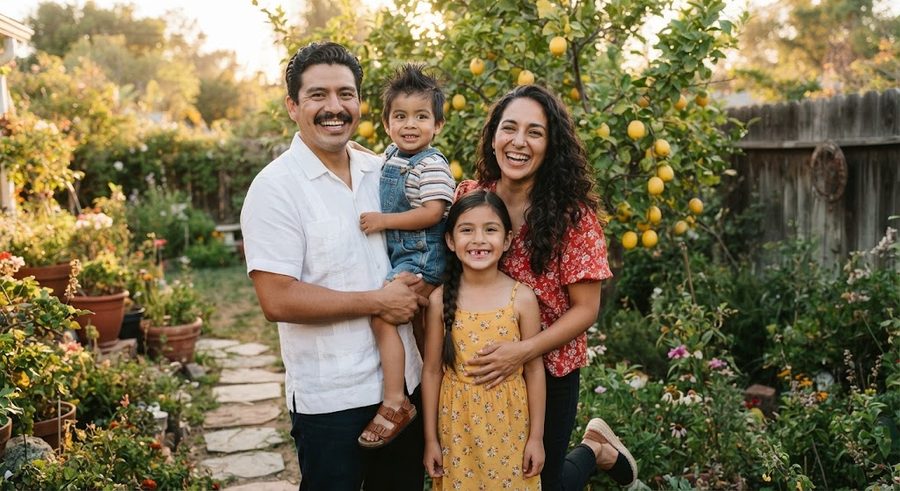
Turn your child's drawing into a coloring page or a book
Turn a child's drawing into a coloring page: scan it, push it to pure black and white with Threshold, thicken lines, then print or bind a book.

Turn a photo into a coloring page for free: 4 methods that work
Four free ways to turn a photo into a coloring page: GIMP filters, the Photopea browser editor, tracing on a tablet or window, and a free drawing app.
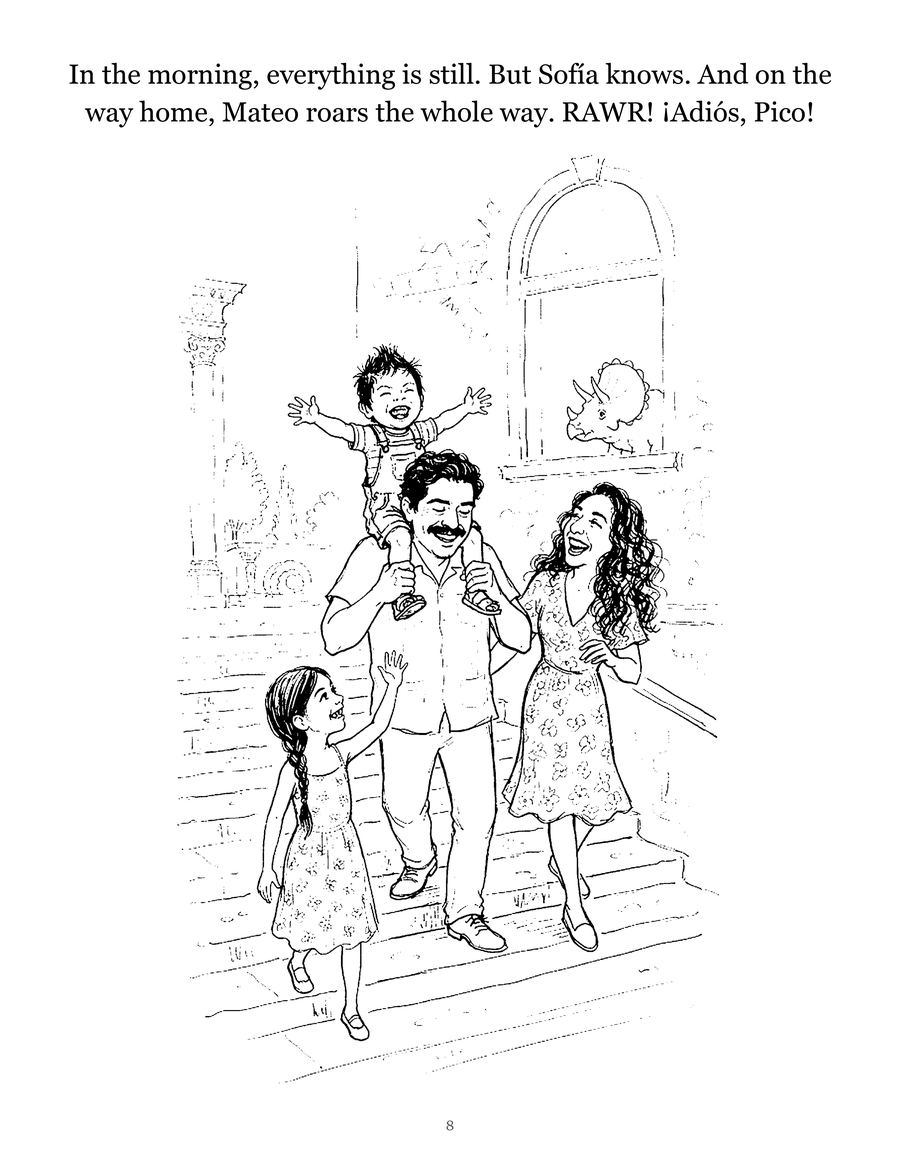
How to write a short story starring your child
A simple 12-page template for writing a picture-book story with your child as the hero, plus tips on plot, length, pictures and reading it together.