How to write a short story starring your child
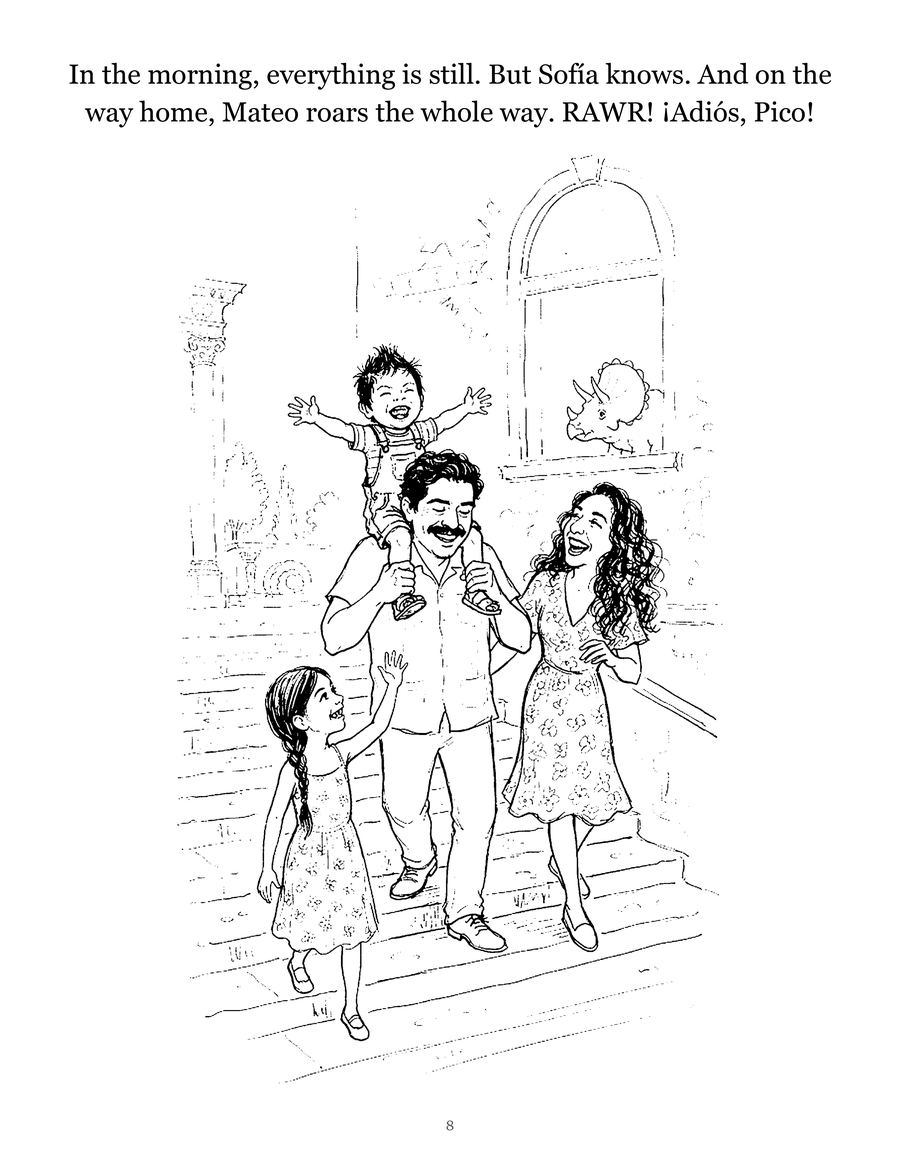
To write a short story starring your child, pick one thing they love, give them one small problem to solve, and tell it in about twelve pages with a sentence or two per page. Use their real name, their real people and their real places, end on something warm and familiar, and read it aloud the same night. You do not need to draw. Photos, traced outlines or your child's own drawings are enough.
This is how Colorkin started: I wrote a short adventure for my own two kids and put them in it. You can do the same tonight with paper, a pen and a stapler, and the template below.
Why a homemade story is worth an evening
Reading together is one of the best-supported things parents can do. The American Academy of Pediatrics' 2024 technical report reviews evidence that reading with young children supports language, cognitive and social-emotional development and school readiness. The nonprofit Reach Out and Read, which brings books into pediatric checkups, puts the goal simply: making reading aloud a daily activity.
A story about your child is not better than a great picture book. It is an extra pull toward the reading habit: kids ask for the book they are in. It also lets you tell a story no publisher would, about your street, your grandma's kitchen, your dog.
The 12-page template
Fill in the blanks. Each line is one page.
- Meet the hero. "This is . ___ is four, and ___ loves ."
- Their world. Where they live and who lives with them, by name. Include the pets.
- An ordinary morning. Something true: breakfast, a favorite cup, a song.
- The invitation. Something unusual happens. A map in the cereal box. A dinosaur at the window. A letter from the moon.
- Off they go, with a helper: a sibling, a parent, a grandparent, a stuffed animal.
- First wonder. Something big and delightful to look at.
- The problem. Something is lost, broken or stuck. Keep it small and solvable.
- A failed try. The first idea does not work. Kids love this page.
- The idea. The hero notices something only they would notice, because of who they are (" is small enough to fit through the gap", " knows all the dinosaur names").
- It works. Show the hero doing it.
- The way home. Tired, happy, maybe with a souvenir.
- Home again. The real bed, the real goodnight. End on the same words every time, like "And then it was time for sleep."
That shape is the one most good picture books use: a familiar start, a small adventure, a problem the child solves, and a safe return.
Writing tips that make it read well aloud
- Short sentences. One idea each. Read every page out loud before you move on.
- Repeat a line. A refrain ("Not yet," said ___) gives kids something to say with you.
- Use sound words. STOMP, whoosh, crunch. They make reading aloud fun.
- Be specific. "Grandma's yellow kitchen" beats "the kitchen". Specific details are what make it theirs.
- Let the hero be capable. The child solves the problem, not the grown-up.
- Keep scary small. A rumble in the dark is plenty for a three-year-old.
Match it to your child's age
- Two and three: fewer words, more pictures, lots of naming ("Here is Daddy. Here is the red truck."). Six to ten pages is plenty.
- Four: a real little plot with a problem and a fix. By 4, the CDC lists telling what comes next in a well-known story as a milestone, so expect your child to start "reading" it back to you.
- Five: they can help invent it. The CDC's 5-year milestones include telling a story they heard or made up with at least two events. Ask "and then what happened?" and write down exactly what they say.
Pictures, without drawing skills
- Photos. Stage a few with toys and props, or use ones you already have.
- Traced photos. Lay paper over a bright screen and trace the outlines, and the book becomes a coloring book too. Our guide to turning a photo into a coloring page for free shows how.
- Your child's drawings. Write the words first, then hand over the crayons.
- A mix. A real photo of your child on the first and last page, drawings in the middle.
Print, fold and staple, or tape pages into a cheap notebook. If you want it to last, our guides on printing coloring pages and making a coloring book from photos cover paper and binding.
Stories for big moments
The same template works for real-life changes. Swap the adventure for the event: the trip to the hospital to meet the new baby, moving day, the first morning of preschool. Describe what will really happen, keep it calm and true, and end at home. That version is called a social story, and we explain how to write one in social stories for toddlers.
If you want it made
If you write the story and would rather not do the pictures, there are services that will illustrate a family story. Colorkin is one: you can send your child's own idea, in their own words, with a few family photos, and get back a short coloring storybook drafted with AI illustration tools and finished by a person. But the homemade version, stapled and a bit crooked, is the one with your handwriting in it. Make that one first.
More how-to guides are in make your own.
Questions parents ask
How long should a story for a toddler or preschooler be?
About 10 to 16 pages with one or two short sentences each. Read aloud, it should take three to five minutes.
What should the story be about?
Something your child already loves (dinosaurs, trucks, the beach) or something they are about to face (a new baby, a move, the first day of school), with your child solving a small problem.
Do I need to be able to draw?
No. Use photos, trace photos into outlines, cut pictures from magazines, or let your child draw the pictures after you write the words.
Can my child help write it?
Yes, and they should. Four- and five-year-olds can suggest what happens next. Write their words down exactly; that is the part you will treasure later.
See your own family on a page, free
Wrote the story and want it drawn? Send one photo and we will draw a free sample coloring page of your child as the hero, no card needed.
Get a free sample pageMore in Make your own
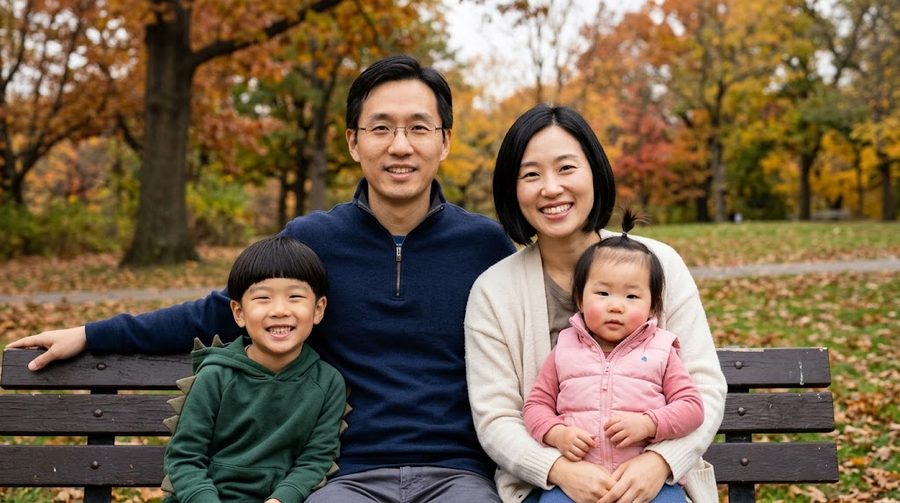
Turn a photo into a coloring page for free: 4 methods that work
Four free ways to turn a photo into a coloring page: GIMP filters, the Photopea browser editor, tracing on a tablet or window, and a free drawing app.
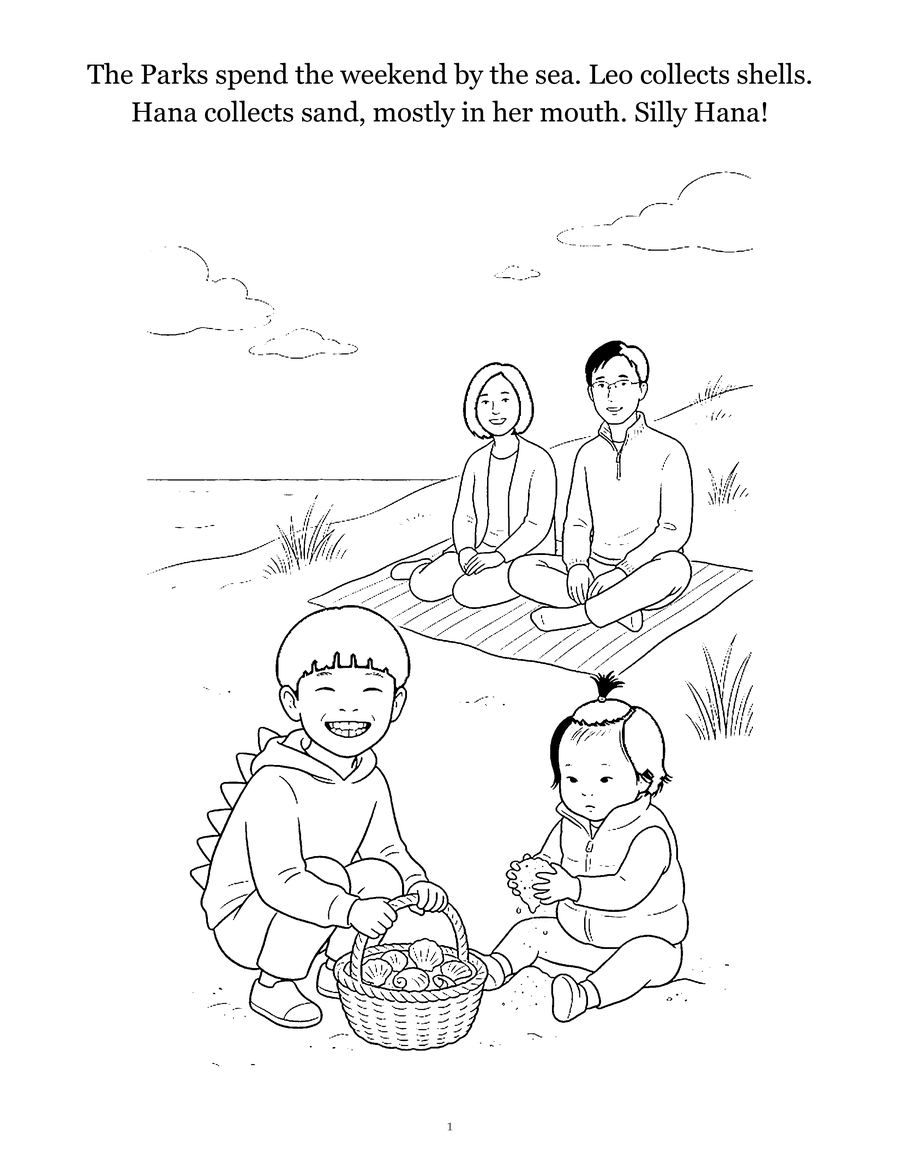
How to turn a photo into a coloring page in Canva
Turn a photo into a coloring page in Canva: trace it with the Draw tool over a faded, locked photo, then download a PDF Print file. Steps from Canva's help.
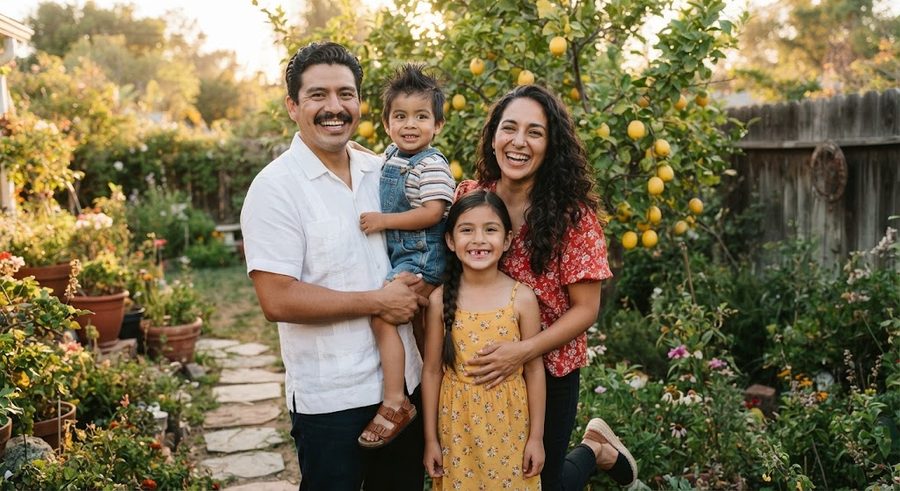
How to print coloring pages that look crisp, not gray
How to print coloring pages at home or from your phone: the print settings that keep lines black, paper that holds up to markers, and fixes for gray pages.