First dentist visit for a toddler: when to go and how to prepare
A toddler's first dentist visit should happen when the first tooth appears, or by the first birthday at the latest, according to the American Academy of Pediatric Dentistry. The visit is short and mostly a look and a chat. To prepare, play dentist at home, read a short story about the visit, use calm and simple words, and book a time when your child is rested and fed. Most first visits are over before a toddler has decided to be worried.
When to book it
The American Academy of Pediatric Dentistry's parent FAQ is clear: your child should see a pediatric dentist when the first tooth appears, or no later than his/her first birthday. The same page recommends a check-up every six months after that, adjusted to your child's needs.
Pediatric dentists, in the AAPD's words, are "the pediatricians of dentistry": they have two to three years of specialty training after dental school and treat only children. A family dentist who sees young kids is also fine. What matters most at this age is that the office is used to toddlers.
If your child is already two or three and has never been, that is common. Book now rather than waiting for a problem.
What usually happens at a first visit
Every office does it a little differently, and it is worth asking yours what to expect. For a baby or young toddler, a first visit tends to include:
- A short chat about brushing, bottles, snacks, pacifiers and fluoride.
- A quick look at the teeth and gums, often with the child on a parent's lap ("knee to knee" with the dentist).
- Sometimes a gentle cleaning or fluoride varnish, depending on age and the dentist.
- A chance to ask questions.
For a preschooler, expect a look in the big chair, counting teeth, and maybe a cleaning with a tickly brush. Ask the office when you book what the visit will include, so your story at home matches what really happens.
How to prepare your toddler
Play dentist. Take turns being the dentist and the patient. Count each other's teeth with a toothbrush, lie back on the couch, say "open wide". Let your child count the teeth of a stuffed animal. This is the single easiest thing you can do.
Read a short story about it, with them in it. A social story is a short book that walks a child through a new situation before it happens. A 2024 review of studies with children aged 2 to 6 found that children practiced more toothbrushing steps with social story interventions than with conventional oral health instruction, though the authors call for more trials. A dentist visit is the classic first social story. We have a ten-page dentist template in social stories for toddlers, and a general one in how to write a short story starring your child.
Talk about it plainly. By 3, the CDC milestones include asking "who", "what", "where" or "why" questions, so expect questions and answer them simply: "The dentist will count your teeth and look at them with a little light."
Watch your words. Skip "it won't hurt" (it plants the idea) and skip your own dentist stories. Use the words the office uses: "count", "tickle", "brush", "picture".
Time it well. Book a morning slot or after a nap, not at the end of a long day. Bring a comfort toy and a snack for after.
On the day
- Arrive a few minutes early so nobody is rushed.
- Let your child bring a favorite stuffed animal "for a check-up too".
- Stay calm and matter-of-fact. Kids take their cue from you.
- If your toddler cries, that is normal and does not mean the visit failed. Many young children protest any stranger looking in their mouth.
- Praise the specific brave thing: "You opened wide when she asked."
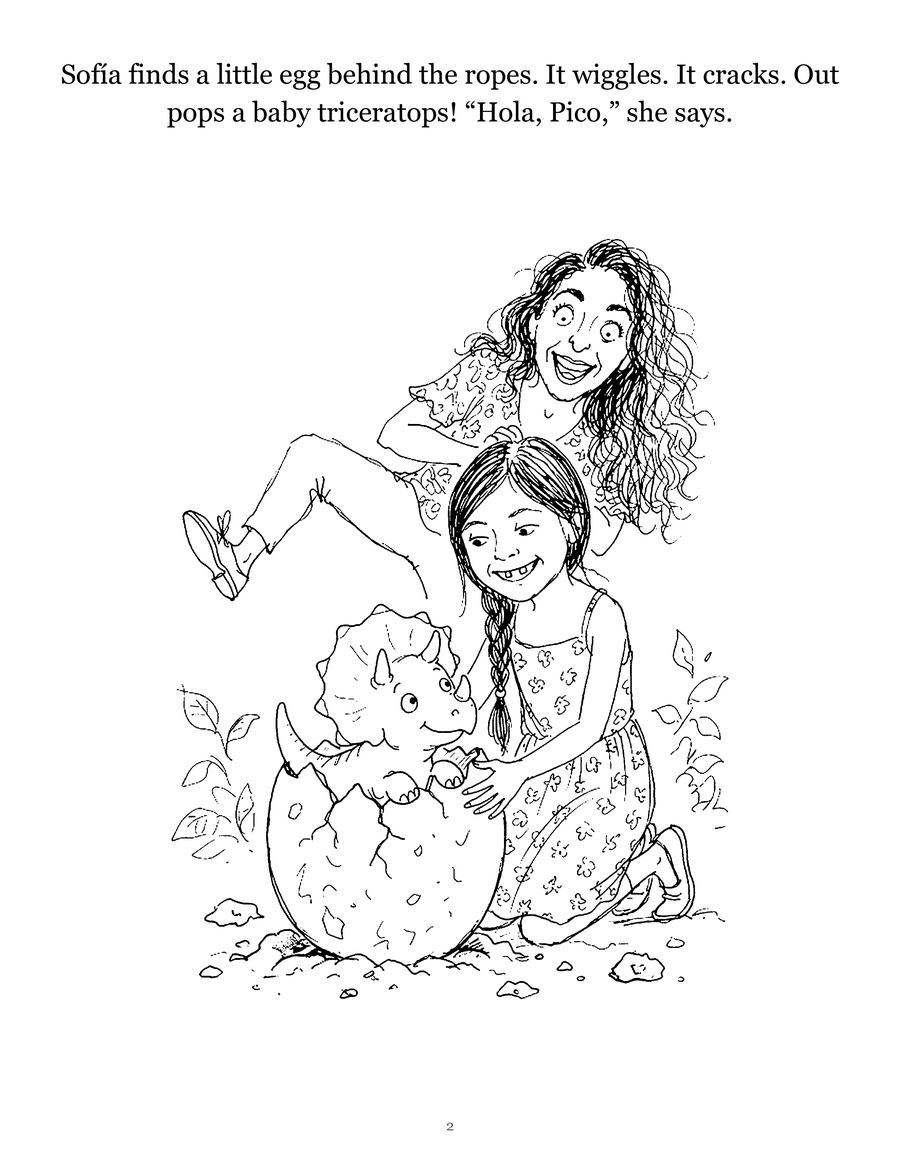
Afterward, let your child tell the story of the visit, or color a picture of it. Turning the visit into a page they can color helps it become a story they own rather than a scary thing that happened to them.
Brushing at home between visits
The AAPD's advice for daily care is worth having in one place:
| Age | Toothpaste | Who brushes |
|---|---|---|
| First tooth to age 3 | A tiny smear of fluoride toothpaste, twice a day | A parent |
| 3 to 6 years | A pea-size dollop | A parent brushes or helps |
| All ages | Spit out, do not swallow, the extra toothpaste | Supervise |
The FAQ also notes that young children do not have the ability to brush their teeth effectively on their own, which is why a grown-up stays involved. It advises against nursing a child to sleep or putting anything other than water in a bedtime bottle, and says thumb and pacifier habits usually only become a problem if they go on for a long time.
If your child is really frightened
Some toddlers are anxious about any medical visit. A few extra steps can help:
- Ask the office for a "happy visit": a short tour, a ride in the chair, no exam.
- Read your story every day for a week before.
- Bring the same comfort item every time, so it becomes part of the routine.
- Tell the dental team in advance; they see nervous toddlers every day.
Similar preparation helps with other medical visits too; see hospital stay activities for kids and the rest of our big moments guides.
Questions parents ask
When should a baby or toddler first go to the dentist?
The American Academy of Pediatric Dentistry says when the first tooth appears, or no later than the first birthday.
How often should a toddler see the dentist?
The AAPD recommends a check-up every six months, though your child's dentist may suggest a different schedule based on their teeth.
How much toothpaste should a toddler use?
A tiny smear of fluoride toothpaste for children under 3, and a pea-size amount from 3 to 6, with a parent doing or helping with the brushing, according to the AAPD.
How do I prepare a toddler who is scared of the dentist?
Play dentist at home, read a short story about the visit with your child in it, keep your own language calm and simple, and book a time of day when your child is rested.
See your own family on a page, free
A page that shows your child brave in the big dentist chair makes a good story to read beforehand. Send one photo for a free sample coloring page, no card needed.
Get a free sample pageMore in Big moments
Weaning off the pacifier: when to stop and the story approach
When to wean a toddler off the pacifier, what the AAP and pediatric dentists say, and how a short story about giving it up makes the goodbye easier.
Toddler scared of haircuts? How to make the first cut easier
Why toddlers fear haircuts and how to help: practice at home, picture books, the right salon and time, small steps for sensitive kids and what to do on the day.
Starting daycare: easing drop-off for you and your child
How to start daycare with less crying: visits and practice runs, a goodbye ritual, what to tell the teacher, books about saying goodbye and when to worry.