Guides / Classrooms and groups
First week of preschool activities: a 5-day plan for teachers
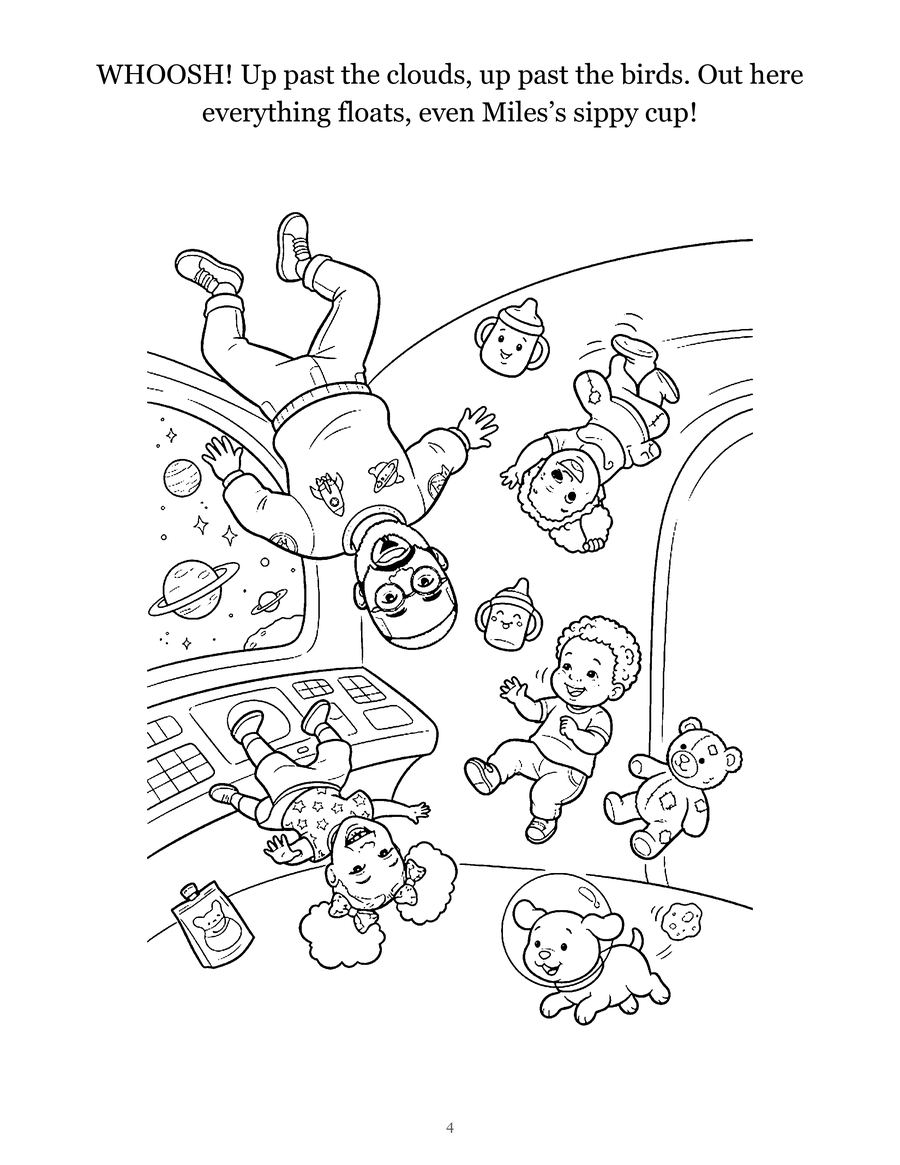
The first week of preschool is for routines and relationships, not curriculum. Plan short, open-ended activities a child can join without instructions (play dough, a sensory bin, blocks, a first day coloring page), learn every name by Wednesday, practice the same few routines many times a day, and put up a family photo wall so homesick kids have somewhere to look. Keep circle time to a few minutes. By Friday, the goal is that every child knows where their cubby is, what happens after snack, and that you are a safe person.
A day-by-day plan
| Day | Focus | Activities |
|---|---|---|
| Monday | Arriving and feeling safe | Open-ended stations, room tour, first day coloring page, one short read-aloud |
| Tuesday | Names | Name song at circle, name cards at the table, photo or symbol cubby labels |
| Wednesday | Routines | Practice cleanup, handwashing and lining up as games, visual schedule on the wall |
| Thursday | Each other | Family photo wall, partner play dough, "who is here today" song |
| Friday | Ourselves | All about me page, a class picture of handprints, repeat favorite songs and books |
Repeat more than you add. Doing Monday's songs again on Friday is a feature: young children settle when they know what comes next.
Activities that work on day one
The first morning, some children will be crying, some will be clinging, and a few will be fine. Choose activities a child can walk up to and start without help.
- Play dough and simple tools. Rolling pins, cookie cutters, nothing with small parts for the youngest groups.
- A sensory bin. Dry pasta, water with cups, or shredded paper with toy animals hidden in it.
- Blocks and vehicles. Familiar from home, no instructions needed.
- A first day coloring page. One sheet with "My first day of preschool," a big empty frame for a self-portrait or handprint, and the child's first name in outline letters. Write the date on the back. Save it in each child's folder and repeat the same page on the last day of the year. Twos will scribble across the whole thing, and that is the right result: Zero to Three describes early scribbles as large movements from the shoulder, with the crayon held in the child's fist.
- A room tour as a game. "Where do the books live? Where do we wash hands?" Walk it in small groups and let children touch things.
Avoid anything that needs a long explanation, waiting in line, or sitting still for more than a few minutes.
Name games and learning names
Names are the first-week curriculum. Use them constantly.
- A name song at circle. Any simple tune where each child's name gets a line ("Who is wearing red today? Maya's wearing red today"). Children who do not want to be sung about can wave instead.
- Name cards at the table. Each child's name on a card, with their photo or a picture symbol for children who are not reading. Use the same symbol on their cubby and coat hook.
- Rolling a ball. Sit in a circle, say a name, roll the ball to that child.
Most three-year-olds can say their own first name when asked: the CDC lists "says first name, when asked" among its milestones by 3 years. Learning thirty classmates' names takes much longer, so the songs do the work.
Helping with goodbyes
Separation is the hardest part of the week, for families as much as children. Give families clear guidance before day one.
- Keep goodbyes short and the same every day. HealthyChildren.org, from the American Academy of Pediatrics, recommends quick goodbye rituals, keeping the goodbye short and sweet, because lingering makes the transition longer.
- No sneaking out. Zero to Three warns that sneaking away makes a child worry the parent might leave at any time.
- Something from home. The same Zero to Three page suggests giving the educator something to remind the child the parent will be back, such as a family photo.
- Give the child a job. Watering the plant, feeding the class fish, handing out napkins at snack. A job is a reason to walk away from the door.
For a sense of what is typical: the CDC lists "calms down within 10 minutes after you leave her, like at a childcare drop off" as a milestone by 3 years. Children who are much more upset than that for weeks are worth a quiet conversation with the family. For the parent side of all this, point families to our guide on preparing a child for the first day of preschool.
The family photo wall
Ask every family to send one photo of the people at home, pets included, by the end of the first week. Mount them at child height with first names. Children visit their photo when they miss home, show it to friends, and learn that every family looks different. Ask permission in the same note, say who will see the wall, and keep it inside the classroom. Our guide to classroom photo consent has a sample note. Children whose families would rather not send a photo can draw their family instead.
Read-alouds for the first week
Short, warm books about school, names and belonging. All of these are widely held by public libraries:
- School's First Day of School by Adam Rex
- Chrysanthemum by Kevin Henkes, for name week
- All Are Welcome by Alexandra Penfold
- Bein' With You This Way by W. Nikola-Lisa
- Hands Are Not for Hitting by Martine Agassi, for one of your first rules
For the classic separation books (The Kissing Hand, Llama Llama Misses Mama, Owl Babies), see our list of first day of preschool books, which also suits a family lending library.
What to save for later
Skip worksheets, letter of the week, long circle times and a full list of class rules. Teach two or three rules through routines (where things go, gentle hands, cleanup) and leave the rest for October. Save the bigger projects too: an all about me coloring page fits Friday or the second week once children know you, and a class coloring book with a page for every child is a good project once the class has settled. More ideas are in the classrooms and groups guides.
Questions parents ask
What activities should I do the first week of preschool?
Short, open-ended ones that need no instructions: play dough, a sensory bin, blocks, a first day coloring page, name songs and a room tour. Keep circle time to a few minutes and spend most of the week on routines.
How do I help crying children in the first week?
Coach families to keep goodbyes short and consistent, offer the child a job or a favorite activity right away, and keep a family photo nearby. Many children settle within minutes once the parent has gone.
What is a good first day of preschool coloring page?
One with a big space for a self-portrait or handprint, the child's name in outline letters and the date. Save it and repeat it on the last day so families can compare.
Should I teach rules in the first week?
Teach two or three, through routines rather than lectures: where things go, gentle hands, and how we clean up. Practice them many times a day and save the full list for later.
See your own family on a page, free
Want a first day page where each child is drawn from their own photo? Send one photo (with a parent's OK) and we will make a free sample coloring page to try.
Get a free sample pageMore in Classrooms and groups
Teacher gift from the class: group ideas that are not a mug
How to organize a group teacher gift from the class: what to buy, how to collect money fairly, gift rules for public school staff, and keepsakes the kids make.
Sunday school coloring pages and a class coloring book
Sunday school coloring pages that fit the lesson, how to make a class coloring book of your group, photo permission for church kids, and class gift ideas.
Scout troop keepsakes and end-of-year gifts for kids' clubs
End-of-year gift ideas for a Daisy troop, Lion den or kids' club: a troop book, patch displays, bridging gifts, photo cards, and how to handle photo permission.