Guides / Personalized coloring books
Hair and skin in a coloring book of your kids: getting it right
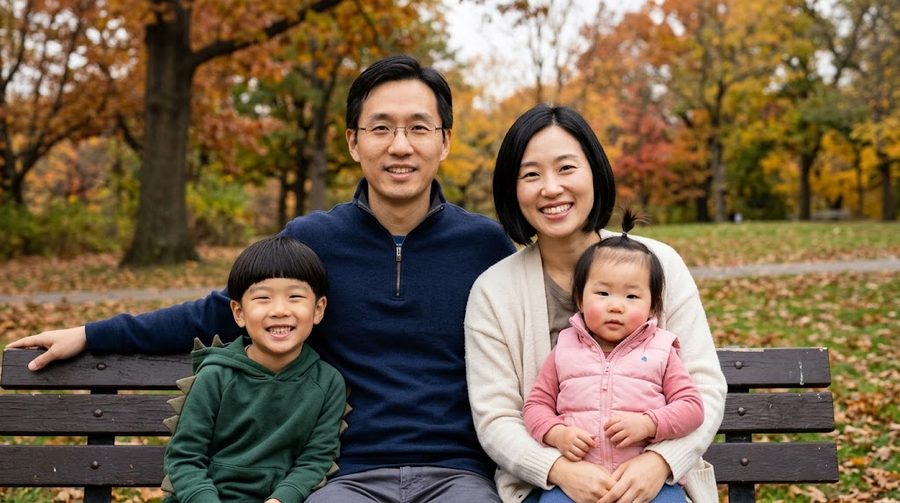
A coloring page of your child should get their hair and face right without turning either into a caricature. In line art that comes down to a few rules: draw hair as an outlined shape with texture lines inside, never a solid black fill. Draw the actual style (coils, braids, locs, puffs, a patka or hijab) rather than a generic bob. Draw features from the photo at the same line weight for everyone, with no exaggeration. And leave skin to the crayons, because line art has no skin color until a child adds it. These rules apply whether you trace a page yourself or check a sample from someone who makes them.
Why it matters, even for toddlers
Kids notice early. HealthyChildren.org, the American Academy of Pediatrics' parent site, says that as early as 6 months a baby's brain can notice race-based differences, and for preschoolers who ask about skin tone it suggests holding your arm against theirs to show the differences in your own family. A coloring page is a small, low-stakes place for that same conversation.
It also matters because the gap is real in children's books. The Cooperative Children's Book Center has documented books for children by and about Black, Indigenous and People of Color every year since 1994, and books by and about Black people since 1985, which is why parents searching for a coloring book with hair like their daughter's often come up short. The guides to Black coloring books for kids and diverse coloring books cover what you can buy. This one covers how to draw it, or how to judge it.
Hair: outline it, never fill it
Solid black hair is the most common mistake in homemade and automatic coloring pages. It leaves nothing to color, it prints as a heavy smudge, and it wipes out the texture that makes the style recognizable. Outline the shape instead and let your child pick the color.
Start with the silhouette. Look at the photo and trace the outer edge of the hair as one shape, including its real volume. Natural hair often sits well above and around the head. Shrinking it to fit a "standard" head shape is where likeness goes first.
Then add texture lines, sparingly. Enough to say what kind of hair it is, with most of the shape left open:
| Hair | How to draw it in line art |
|---|---|
| Coily or kinky | A soft, slightly bumpy outline with small loops and spirals clustered along the edge and a few scattered inside |
| Curly | S-curves and ringlet spirals at the ends, a few C-shaped curls inside |
| Wavy | Two or three long, loose S-lines following the direction the hair falls |
| Straight | A clean outline, a part line, and a few long strands |
| Box braids or twists | Long parallel strands, each broken into a chain of small ovals or diagonal segments |
| Cornrows | Rows following the curve of the scalp from the hairline back, each a chain of small segments |
| Locs | Long cylinders with a few gentle bumps or bands along each one |
| Puffs and buns | A cloud-shaped outline with a hair tie, a few curls inside |
| Fade or short cut | The outline of the shape, plus a light line where length changes |
Three more details do a lot of work:
- The hairline and part. Put them where they are in the photo. A side part or a zigzag part is part of the hairstyle.
- Accessories. Beads, barrettes, bows and hair ties are things kids recognize and love to color.
- Head coverings. A patka, turban, hijab, bonnet or durag is drawn as its own shape with its own folds, not as a hat on top of generic hair.
Faces and features: no caricature
The goal is the face a child recognizes in the mirror, drawn kindly.
- Trace features from the photo. Eye shape, nose, lips, ears, freckles, glasses, dimples, a missing tooth. Do not swap in a "standard" cartoon face.
- Same line weight for everyone. If one family member's features get heavier or bolder lines than another's, it reads as exaggeration.
- Never exaggerate a feature associated with a race or ethnicity. Lips, noses and eyes drawn bigger, smaller or more slanted than in the photo is caricature, even when unintended. When in doubt, use fewer lines, not bolder ones.
- Ask about birthmarks and skin differences. Some families want vitiligo, a birthmark or a scar shown, some do not. It is their call.
Skin: let the crayons do it
Line art has no skin tone. Avoid shading, cross-hatching or stippling on faces to suggest darker skin: in a coloring page it reads as dirt or shadow and leaves less room to color. Keep faces as clean outlines and solve skin with supplies.
Crayola's Colors of the World skin tone crayons come as a 24-pack that the company says falls into three main shades, Almond, Golden and Rose, plus the lighter and darker shades in between. Its undertone FAQ explains that undertones are separate from skin tone, so a light skin tone can have a warm undertone and a deep skin tone a cool one. With a preschooler, make it a game: hold crayons against each family member's arm and find a match. The skin tone crayons guide compares the options.
Then let it go. A child who colors herself purple is not confused about her skin.
Checking a sample from a maker
If someone else is drawing the pages, use the same rules to judge a sample made from your own photo:
- [ ] Hair is the right shape, volume and style, outlined and colorable
- [ ] Braids, locs, puffs or head coverings drawn as they are, not simplified away
- [ ] Hairline and part match the photo
- [ ] Features match the photo, no exaggeration, same line weight as everyone else
- [ ] No shading on skin
- [ ] Your child recognizes themselves
Colorkin is one maker you can test this way. Pages are drafted with AI illustration tools from your photos, and a person checks every page for likeness and kindness before it goes out. AI tools, like automatic photo filters, can flatten textured hair or default to a generic face, which is exactly what that check is for. The free sample is the place to see how it handles your child's hair, and the digital book includes a free round of changes. Whoever you order from, say plainly what is wrong and ask for a redraw. If you would rather do it yourself, turning a photo into a coloring page for free covers tracing, which keeps the hair most faithfully.
Picture books to read alongside
Books where the hair on the page looks like the hair at home, each found in the Seattle Public Library catalog:
- Hair Love by Matthew A. Cherry: a daddy helps his daughter style her curly, coily hair.
- Don't Touch My Hair! by Sharee Miller: Aria loves her soft, bouncy hair and finally speaks up about people touching it without asking.
- Hair Twins by Raakhee Mirchandani: a Sikh father and his daughter go through their daily hair routine together.
- My Hair Is a Garden by Cozbi A. Cabrera: a neighbor compares hair care to tending a garden, with hair care tips at the back.
- Bedtime Bonnet by Nancy Redd: a family braids, wraps and covers their hair before bed, and the little sister cannot find her bonnet.
Each one is a good model for drawing hair with care. More guides on choosing a book that looks like your family are in the personalized coloring books hub.
Questions parents ask
How do you draw curly or coily hair on a coloring page?
Draw the overall outline of the hair as one shape, then add a few loops, spirals or short C-shaped curls inside and along the edge to show texture. Leave most of the space open so it can be colored. Never fill it in solid black.
Why shouldn't hair be filled in black on a coloring page?
A solid black shape leaves nothing to color, prints heavy and muddy, and erases the texture that makes the hairstyle look like your child's. An outline with texture lines lets your child choose the color.
How do you show darker skin in line art?
You do not, with lines. Line art has no skin color: the crayon supplies it. Avoid shading or hatching on faces, which reads as dirt or shadow. Give kids skin tone crayons and let them match their own skin.
How do I check a custom coloring book sample for my child's hair?
Compare it with the photo. Is the hair the right shape, volume and style (braids, locs, puffs, waves)? Is the hairline and part where it should be? Are features drawn without exaggeration? If not, ask for a change before paying.
See your own family on a page, free
Want to see how your child's hair and face come out as line art? Send one photo and we will email you a free sample coloring page, so you can check it before ordering anything.
Get a free sample page- CCBC Diversity Statistics
- HealthyChildren.org (AAP), Talking to Children About Racial Bias
- Crayola: Colors of the World skin tone crayons, 24 count
- Crayola FAQ: selecting a Colors of the World skin tone and undertone
- Seattle Public Library: Hair Love by Matthew A. Cherry
- Seattle Public Library: Don't Touch My Hair! by Sharee Miller
- Seattle Public Library: Hair Twins by Raakhee Mirchandani
- Seattle Public Library: My Hair Is a Garden by Cozbi A. Cabrera
- Seattle Public Library: Bedtime Bonnet by Nancy Redd
More in Personalized coloring books
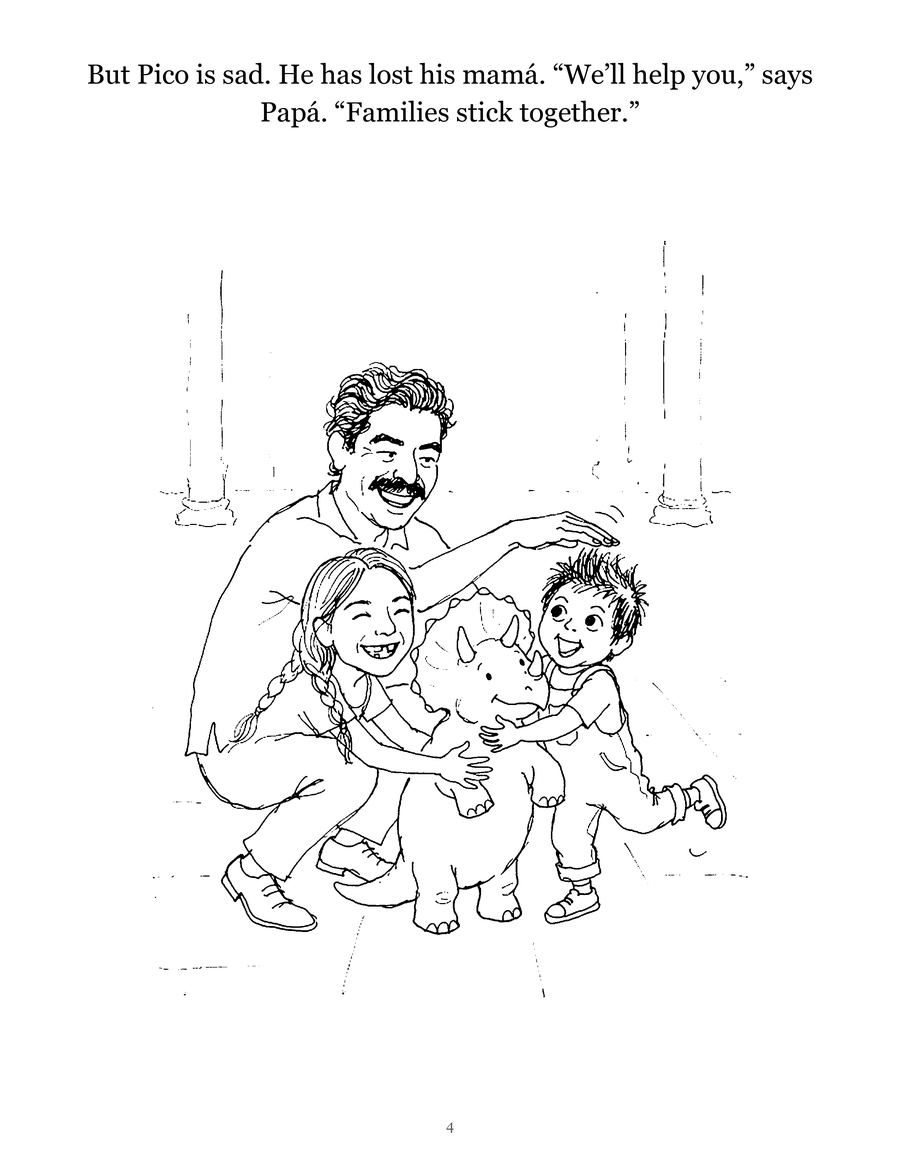
Personalized coloring books from your photos: how they work
How custom coloring books made from your photos work, the four kinds you can buy or make, what to check before ordering, and how to get one free.
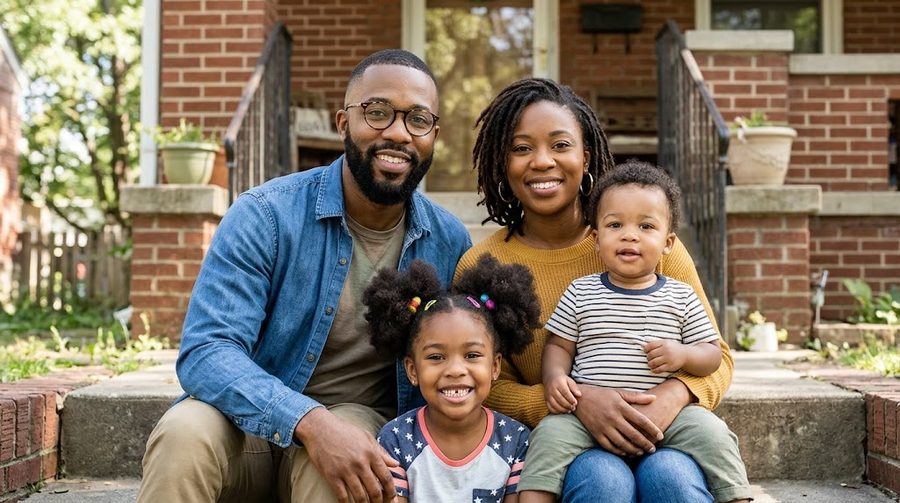
Personalized coloring books for toddlers: what works at 1 to 3
What makes a personalized coloring book work for a 1, 2 or 3 year old: thick lines, few pages, sturdy paper, safe crayons, and pages that show their own family.
Personalized coloring books for adults: wedding, retirement, more
How to get a personalized coloring book for an adult: wedding, anniversary and retirement ideas, who makes them, DIY steps, and what to put on each page.