Deployment books for kids, and ways to stay close
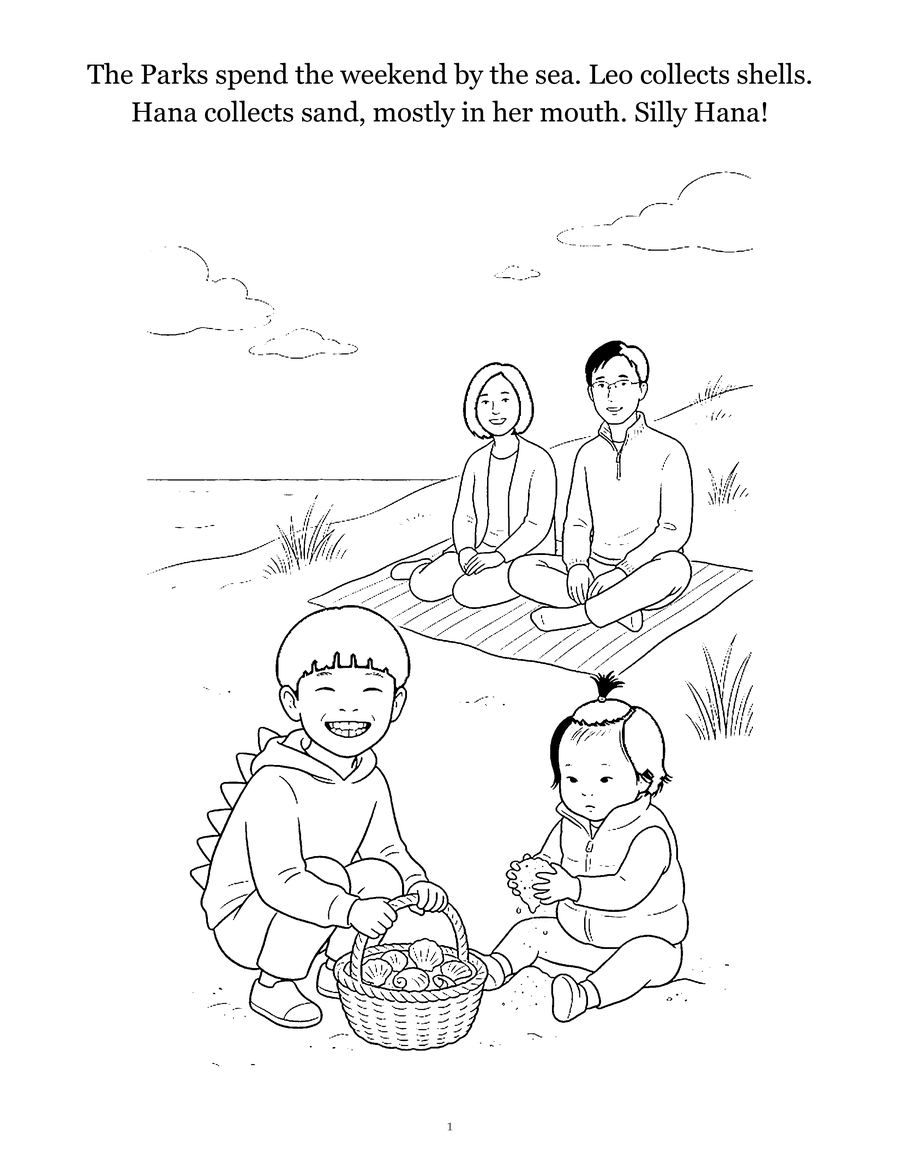
Good deployment books for kids are short, honest that the parent is gone for a long time, and full of small ways to stay close. For toddlers and preschoolers, try While You Are Away by Eileen Spinelli, Hero Dad or Hero Mom by Melinda Hardin, Night Catch by Brenda Ehrmantraut and The Invisible String by Patrice Karst. A book works best alongside steady routines and something your child can hold: a photo by the bed, a map, a care package to fill.
Deployment is hard on the parent who leaves, the parent who stays and the kids. The American Academy of Pediatrics notes that toddlers may not understand why mom or dad isn't there for bedtime, and that the most important thing you can do is talk about it with them, and listen. Here is what to read and what helps.
Picture books about a deployed parent
These are real titles you can find through libraries, including installation libraries. Read each one yourself first, since every family's deployment looks different.
| Book | Author | Ages | What it offers |
|---|---|---|---|
| While You Are Away | Eileen Spinelli | 2 to 6 | Children missing deployed parents, and thinking of them through the day (library record) |
| Hero Dad | Melinda Hardin | 2 to 6 | A child explains why a soldier dad is a hero, simple and proud |
| Hero Mom | Melinda Hardin | 2 to 6 | The same idea for a deployed mother |
| Night Catch | Brenda Ehrmantraut | 3 to 7 | A deployed father and his son play catch with the North Star each night (library record) |
| Love, Lizzie: Letters to a Military Mom | Lisa Tucker McElroy | 5 to 8 | A girl's letters to her deployed mother, for kids who can follow a longer book (library record) |
| The Invisible String | Patrice Karst | 3 to 8 | Not military, but a well-loved idea for any separation: love as a string that connects you |
| The Kissing Hand | Audrey Penn | 3 to 6 | A raccoon's mother gives him a kiss to hold in his palm. Written about starting school, often used for any time apart |
Sesame Workshop also runs Sesame Street for Military Families, a collection of resources and printable activity pages for military families with young children, including tips for coping with deployments.
How to tell a young child about deployment
Military OneSource suggests telling children in a way they will understand, letting them ask questions, answering as simply and honestly as you can, reassuring them that home routines will stay the same, and having the deploying parent spend one-on-one time with each child before leaving. Its guidance also suggests warning kids that sometimes they may not hear from the parent for a few days.
KidsHealth adds practical wording for small children, who may not get the idea of a parent being away for a long time. Instead of months, use markers they know, such as "Mommy won't be there to take you to school in the mornings" or "Daddy won't be back until after Christmas." Young kids mostly worry about daily life ("Who will tuck me in?"), so tell them who will care for them. KidsHealth also suggests you avoid telling a child they are now the head of the house: kids need to be kids.
Ways to stay close during a deployment
From the AAP, KidsHealth and Military OneSource, ideas that work for small children:
- Something to hold. The AAP mentions a stuffed animal, a necklace from mom, or a t-shirt with dad's photo on it.
- A map. Point to where the parent is, if you can share that.
- Same time each day. KidsHealth suggests thinking good wishes about the parent at the same time every day, like bedtime.
- Care packages. Drawings, coloring pages and a photo of the week. Toddlers can choose what goes in.
- A "while you were away" scrapbook. KidsHealth suggests saving artwork, pictures and report cards for when the parent comes home. The AAP suggests a journal of family life and hometown changes.
- Recorded stories. Before leaving, the parent records themselves reading a few favorite books.
- Personal notes. Military OneSource suggests that a deployed parent send each child their own note when possible.
- Keep routines. The AAP says to keep doing the regular play dates and child care, without overscheduling to push feelings away.
If grandparents are helping from far away, our guide to long-distance grandparents gifts has ideas that also work across an ocean.
A homemade book starring your child
Picture books show other families. Some young children understand the plan better when the child in the story is them. Before the deployment, make a short book with your own photos: the parent in uniform, the two of them together, your child at bedtime with the photo, mailing a package, counting days on a calendar, and a last page about the parent coming home. Write one line per page in your family's words. Keep it to what you know is true for your family, and adjust it if plans change.
You can print photos as they are or turn them into coloring pages with our guide to making a coloring book from your own photos. A colored page also makes a good thing to mail. When I made the first coloring storybook for my own kids, what stayed with me was how they kept coming back to the pages with the people they love on them.
Colorkin is one option if you want something finished: a coloring storybook made from your family photos, drafted with AI illustration tools and checked by a person, with the family and up to two grandparents or pets. A photo album and a few printed pages do the same job for very little.
Watching for stress, and getting help
The AAP lists signs of deployment stress by age. For toddlers and preschoolers that can mean aggressiveness, clinginess, changes in eating or sleeping habits, and crying more often. KidsHealth notes that preschoolers may also regress, for example in potty training, or have new fears. If behavior is extreme, goes on a long time or gets worse, the AAP suggests seeking help from a military support group, a military physician, your pediatrician or a mental health professional. Military OneSource offers free, confidential counseling at 800-342-9647.
The return can be its own adjustment. KidsHealth suggests giving the family time and patience to find its balance again. If a move is coming with the next orders, see our moving books for kids, and for other transitions, our big moments guides.
Questions parents ask
What is a good deployment book for a toddler?
Short books about missing someone and staying connected work best for toddlers: Eileen Spinelli's While You Are Away, Melinda Hardin's Hero Dad or Hero Mom, and Patrice Karst's The Invisible String. Pair the book with something concrete, like a photo of the parent at bedtime.
How do I explain deployment to a 2 or 3 year old?
Use time markers they know instead of weeks or months, like 'Daddy won't be here to take you to school in the mornings.' KidsHealth suggests telling young children who will take care of them and keeping their routines steady.
How can a young child stay connected to a deployed parent?
Photos at bedtime, a map showing where the parent is, drawings and cards for care packages, recorded stories, and a scrapbook of what happened while the parent was away. The AAP also mentions a stuffed animal or a t-shirt with the parent's photo.
What are signs of deployment stress in toddlers?
The AAP lists aggressiveness, clinginess, changes in eating or sleeping, and crying more often for toddlers and preschoolers. If behavior is extreme, lasts a long time or gets worse, talk to your pediatrician, a military physician or a counselor.
See your own family on a page, free
Some families like a page that shows their child with the deployed parent, to color and send in a care package. Send one photo and we will draw a free sample page, no card needed.
Get a free sample page- Effects of Deployment on Children and Families (HealthyChildren.org, American Academy of Pediatrics)
- Supporting Your Children Through the Deployment Cycle (Military OneSource, U.S. Department of Defense)
- 6 Tips for Telling Your Child About a Military Deployment (Nemours KidsHealth)
- Helping Your Family Cope With Military Deployment (Nemours KidsHealth)
- Sesame Street for Military Families (Sesame Workshop)
- Night Catch by Brenda Ehrmantraut (Internet Archive / Open Library record)
- Love, Lizzie: Letters to a Military Mom by Lisa Tucker McElroy (Internet Archive / Open Library record)
- While You Are Away by Eileen Spinelli (Internet Archive / Open Library record)
More in Big moments
Starting daycare: easing drop-off for you and your child
How to start daycare with less crying: visits and practice runs, a goodbye ritual, what to tell the teacher, books about saying goodbye and when to worry.

Social stories for toddlers: what they are and how to make one
A social story is a short, personal book that walks a child through a new situation before it happens. What the research says and a template for toddlers.
Potty training books for toddlers that actually help
The best potty training books for toddlers and 2 year olds, what the AAP says about readiness and praise, and how a story starring your child can help.