Valentines for a preschool class: cheap, simple, no candy
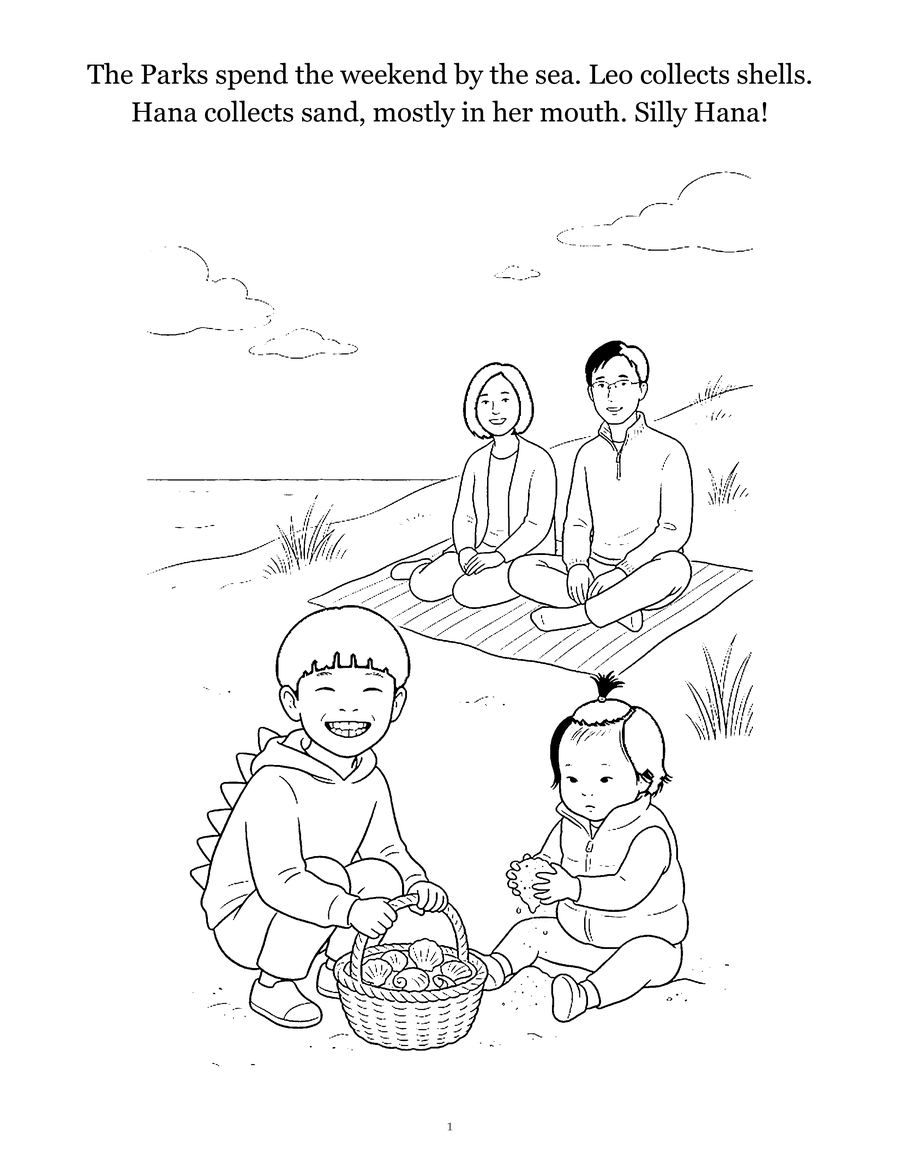
The best valentines for a preschool class are cheap, flat and food-free: a sheet of big stickers, a few chunky crayons tied with a ribbon, a small bottle of bubbles, a heart coloring page, or a homemade card with your child's handprint on it. Skip candy, skip tiny trinkets, and ask the teacher two questions before you buy anything: are names wanted, and are there any allergy rules for the room.
Below is what to check first, a list of non-candy valentines with age notes, cards a preschooler can make, and a plan for getting twenty of them done without tears.
Ask the teacher first
Three questions save a lot of trouble:
- How many children, and what ages? A class of 2 year olds and a pre-K class of 4 and 5 year olds need different valentines (see the safety list below).
- Names or no names? Many preschool teachers ask for valentines addressed "to my friend" so kids who cannot read can drop one in every cubby. If they want names, ask for a list of first names.
- Any food or allergy rules? Many rooms are food-free for celebrations. Even where they are not, a food-free valentine is one every child can keep.
Why non-candy, and why allergy-aware
Food allergies are common enough that a typical class has them. The CDC estimates 1 in 13 children (8%), or 2 students per classroom, are affected with food allergies, and lists milk, eggs, fish, crustacean shellfish, wheat, soy, peanuts and tree nuts as the eight foods behind most serious reactions. The AAP adds sesame to its list and notes that symptoms can develop after eating, inhaling or coming in contact with food allergens, so "they just won't eat it" is not a full answer.
Things that look non-food but need a second look:
- Play dough. Homemade play dough is made from wheat flour, and many store-bought brands are too. Read the label, or skip it if the class has a wheat allergy.
- Scented or "edible" craft items like candy-scented stickers or cereal necklaces. Easier to leave out.
- Latex balloons. Besides latex sensitivity, the AAP says balloons pose a choking risk to children up to 8 years of age.
Candy itself is a choking question as well as an allergy one for this age: the same AAP page lists hard, gooey or sticky candy, chewing gum and marshmallows among foods to avoid or modify for young children.
Non-candy valentines, with age notes
| Valentine | Good for | Notes |
|---|---|---|
| Sheet of big stickers | 2 and up | Big, easy-peel ones, taped to a small card |
| Two or three chunky crayons tied with ribbon | 2 and up | Pair with a heart coloring page |
| Small bottle of bubbles | 2 and up | Label "for outside" |
| Heart or valentine coloring page | 2 and up | Free to print at home |
| Stamper markers | 3 and up | Marker caps are a choking item for the youngest |
| Temporary tattoo | 3 and up | Check with the teacher, as some rooms say no |
| Seed packet with "I'm glad we grow together" | 4 and up | Grown-ups plant it, a nice spring follow-up |
| Pencil and a heart eraser | Pre-K, 4 and 5 | Not for 2s and 3s |
| Library-sale board book | Any | More per child, but loved |
What to skip for 2 and 3 year olds. The AAP's list of household choking hazards includes balloons, marbles, small balls, pen or marker caps, toys with small parts and toys that can be squeezed to fit entirely into a child's mouth. That rules out mini erasers, squishies and most party-bag bouncy balls. The CPSC fact sheet on the Child Safety Protection Act explains that toys with small parts meant for ages 3 to 6 must carry a "CHOKING HAZARD - Small parts" warning that they are not for children under 3, and that balls 1.75 inches across or smaller cannot be sold for children under 3. If the class mixes ages, buy for the youngest. Our guide to toddler stocking stuffers uses the same rules.
Valentines a preschooler can make
Homemade cards are the most fun and the cheapest. Plan on about five cards per sitting; a preschooler's interest runs out long before twenty.
- Fingerprint hearts. Two thumbprints in red paint, angled into a V, make a heart. Your child does the prints, you write "Happy Valentine's Day from [name]".
- Handprint card. One handprint per card is a lot of paint for twenty kids. Do one good handprint, scan or photograph it, and print copies.
- Sticker cards. Fold cardstock, let your child decorate each one with three stickers. Done.
- Name practice. Four and five year olds may want to write their own name on each card. Let them. Wobbly letters are the charm. Younger kids can use a name stamp or a sticker with their name printed on it.
- A coloring page of your child. Turn a photo of your preschooler holding a big paper heart into line art with our guide to turning a photo into a coloring page for free, print copies, and tie each one to two crayons. Before you send any photo into school, read our note on photos of children in the classroom; a photo of only your own child is the simple case.
Getting twenty done
| When | Step |
|---|---|
| 2 weeks before | Ask the teacher the three questions and get the class count |
| 10 days before | Buy supplies, print coloring pages or card templates |
| 7 to 3 days before | Five cards a day with your child |
| 2 days before | Attach stickers or crayons, sign each card |
| The night before | Count them twice and pack them in a bag with your child's name on it |
Make two extras. A new child joins, a card gets crumpled, or the teacher should get one too. If you are also organizing a teacher gift, our teacher gift from the class guide covers group gifts.
Books to read in the run-up
A valentine-themed story helps preschoolers understand what the day is about (being kind, telling friends you like them) without any candy at all. A few to borrow from the library:
- The Day It Rained Hearts by Felicia Bond
- Love Monster by Rachel Bright
- Here Comes Valentine Cat by Deborah Underwood
- Valentine's Day Is by Gail Gibbons
- Snowy Valentine by David Petersen
For teachers: one page for every child
A class book where each child appears on a page makes a good February project and an end-of-year keepsake. Our guide to the class coloring book shows how to make one for free with photocopies and the kids' own drawings. Colorkin's classroom edition is a paid alternative ($199, up to 24 children, each starring on a page, drafted with AI illustration tools from photos and checked by a person), but the free version works fine for Valentine's Day.
More ideas are in our gift ideas hub.
Questions parents ask
What are good non-candy valentines for preschoolers?
A sheet of big stickers, two or three chunky crayons tied with ribbon, a small bottle of bubbles, a heart coloring page, a temporary tattoo for older preschoolers, or a homemade card with the child's handprint or fingerprints. Cheap, flat and food-free is the goal.
Should preschool valentines have names on them?
Ask the teacher. Many preschool classes prefer valentines signed by the sender and addressed 'to my friend', so a child who cannot read yet can hand them out to every cubby without sorting. If names are wanted, ask for a class list of first names.
Are valentines with food allowed in preschool?
Many preschools limit or ban food from home because of allergies. Check the class rules first. Non-food valentines avoid the question entirely and mean every child can keep what they get.
What valentines are not safe for 2 and 3 year olds?
Skip latex balloons, small bouncy balls, mini erasers and squishies small enough to fit in a mouth, toys labeled 'small parts, not for children under 3', and hard or sticky candy. If the class mixes ages, choose for the youngest child.
See your own family on a page, free
Want a valentine coloring page that stars your preschooler? Send one photo and we will draw a free sample page you can print for the class. No card needed.
Get a free sample page- Food Allergies in Schools (CDC)
- Food Allergies in Children: Causes, Symptoms, Diagnosis & Treatment (HealthyChildren.org, American Academy of Pediatrics)
- Choking Prevention for Babies and Children (HealthyChildren.org, American Academy of Pediatrics)
- Child Safety Protection Act Fact Sheet, Publication 282 (U.S. Consumer Product Safety Commission)
More in Gift ideas
Stocking stuffers for toddlers that are safe and not junk
Toddler stocking stuffers that get used: board books, chunky crayons, bath toys, bubbles, mittens, plus the choking hazards to keep out of a toddler's stocking.
Personalized gifts for toddlers that get used, plus DIY ideas
Personalized toddler gifts worth the wait: name books, recordable stories, name puzzles, photo books and coloring books, plus DIY versions and safety checks.
New sibling gift box: what to put in it, and when to open it
How to put together a new sibling gift box for a toddler: small open-when packages for meeting the baby, the first week and feeding time, plus a visitor box.