Guides / Coloring and development
Benefits of coloring for preschoolers (ages 3 to 5)
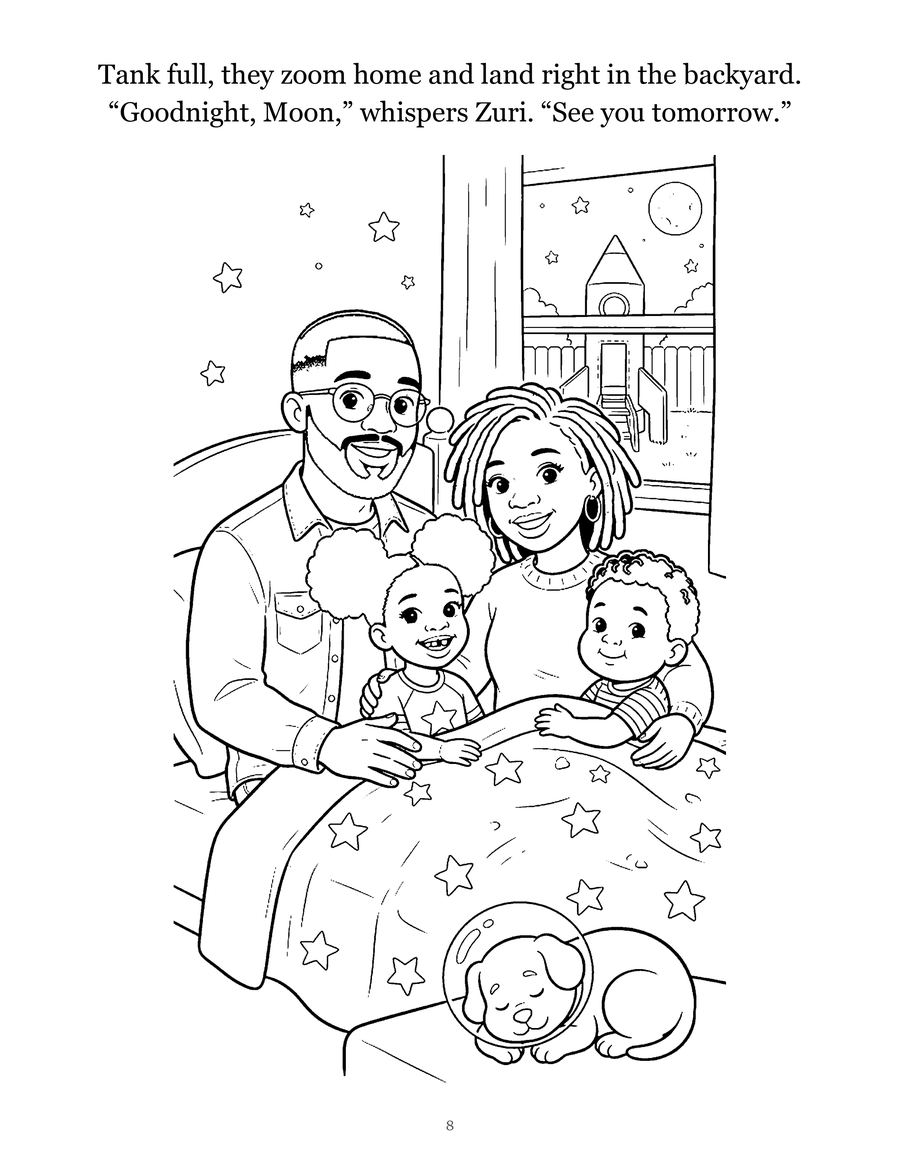
Coloring is good for preschoolers in a few specific ways: it is practice for the finger grip most children reach by 4, it gives them a reason to stick with a task for several minutes, and a page is something to talk and tell stories about. Those are real but modest benefits. What the evidence does not show is that coloring books prepare kids for school better than other hand play, or that a neat page means anything. Ages 3 to 5 are when coloring starts to look like coloring, and the most useful thing a parent can do is make it something the child wants to come back to.
What changes between 3 and 5
The preschool years are when scribbles turn into pictures. Zero to Three places "pictures of objects or people" between 3 and 5 years, and describes a shift from naming a picture after it is done to planning it first, with more detail, more control and more colors. The CDC milestones show the same arc in other ways:
| Age | CDC milestone (by this age) | What it means for coloring |
|---|---|---|
| 4 | "Holds crayon or pencil between fingers and thumb (not a fist)" | More control, smaller areas, pages with real detail |
| 4 | "Names a few colors of items" | Choosing colors on purpose, and talking about it |
| 4 | "Draws a person with three or more body parts" | Adding their own details to a printed page |
| 5 | "Pays attention for 5 to 10 minutes during activities", including arts and crafts | A full coloring session, sometimes more |
| 5 | "Writes some letters in her name" | Signing their page, labeling things |
Sources: CDC Milestones in Action for 4 years and 5 years. For the drawing side of this, see stages of drawing development.
The benefits that hold up
Hand control for writing. Most preschool coloring is practice for the grip and control that writing needs later. A 2020 systematic review found that most programs designed to build young children's fine motor skills reported positive effects, though many of the studies were at high risk of bias and none of them isolates coloring. There is more detail in does coloring help fine motor skills and crayon grip by age.
Sticking with something. Five to ten minutes of attention is a milestone by 5, and the CDC names arts and crafts as one place to see it. A coloring page has a natural finish line, which makes it easy practice for staying with a task. That is a description of what coloring asks of a child, not a proven effect on attention.
Story and conversation. By 4, the CDC milestone is telling what comes next in a well-known story, and by 5 it is telling a story she heard or made up with at least two events. A coloring page with a scene on it is a ready-made prompt: what is happening here, what happens next? Coloring books that tell a story, whether a picture book with coloring pages or one you make yourself, lean on this.
A bridge to writing. In a study of Israeli and Dutch children aged 28 to 53 months, drawing and early writing scores were substantially correlated even with age taken out. Kids at this age often write a name or squiggly "words" next to a picture. Coloring a page and then signing it is a natural invitation.
School readiness: read the fine print
You will often see coloring sold as school prep. Two studies get cited a lot, and both are worth reading carefully.
A 2010 analysis of several large data sets found that fine motor skills at kindergarten entry predicted later achievement, along with attention and general knowledge. A 2025 meta-analysis of 11 studies found a medium correlation between preschoolers' fine motor skills and reading, and a larger one with math, and its authors note the research is mostly correlational.
Neither study measured coloring. Neither shows that practicing fine motor skills causes better reading or math. A fair summary for parents: hand skills and school skills tend to go together, hand skills come from lots of practice, and coloring is one pleasant way to get it. Cutting with child scissors, play dough, puzzles and building toys count too.
Claims to skip
- "Coloring inside the lines shows readiness." There is no CDC milestone for it.
- "Coloring builds creativity." Filling in someone else's outline is fairly structured. Blank paper is where preschoolers invent their own people and scenes. Offer both.
- "Coloring teaches colors." It gives you lots of chances to talk about colors. Our guide on when toddlers learn colors covers what the research actually says.
How to get the most out of it at 3 to 5
- Ask about the picture, do not grade it. Zero to Three suggests openers like "tell me about your picture" over quizzing colors or correcting a purple tree.
- Pick pages with a scene. One object is fine at 3. By 4 and 5, a page with something happening gives you a story to talk about.
- Leave room for their own drawing. Pages with blank space invite them to add a sun, a pet or themselves.
- Step up the tools. Regular crayons and colored pencils suit a finger grip; markers make bold color easy. For safety, the Art and Creative Materials Institute says to check for its AP Seal on creative products for kids in sixth grade or younger.
- Let them sign it. Writing a name, or the first letter of it, turns a page into their work.
- Make it about them. The pages my kids return to are the ones with them in it. You can make one free by turning a photo into a coloring page. Colorkin makes illustrated coloring storybooks starring your family, drafted with AI illustration tools from your photos and checked page by page by a person, if you would rather not do it yourself.
More age-by-age guides are collected under coloring and development, including benefits of coloring for toddlers for the younger set.
Questions parents ask
Is coloring good for preschoolers?
Yes, as one activity among many. It is practice for the finger grip most children have by 4, for sticking with a task, and for talking about a picture. It does not need to be neat.
Does coloring help with school readiness?
Fine motor skills are linked to later reading and math, but those studies measure hand skills in general, not coloring. Coloring is one way to practice them, alongside play dough, puzzles, cutting and building.
How long should a 4-year-old be able to color?
There is no coloring milestone. The CDC milestone by 5 is paying attention for 5 to 10 minutes during activities like arts and crafts, so a few minutes at 4 is normal.
Should preschoolers color inside the lines?
It is not a milestone. Staying near a line tends to improve as grip matures, but going over the lines on purpose or by accident is normal at this age.
Are coloring pages or blank paper better for preschoolers?
Use both. Blank paper is where kids draw their own people and stories. Coloring pages add a target to aim at and a subject to talk about.
See your own family on a page, free
Preschoolers stay with a page longer when it tells a story about them. Send one photo and we will draw a free coloring page of your family, no card needed.
Get a free sample page- CDC, Milestones in Action: By 4 Years
- CDC, Milestones in Action: By 5 Years
- Zero to Three, Learning to Write and Draw
- Li et al., The relationship between fine motor skills and academic ability in children: a systematic review and meta-analysis, Front Sports Act Living 2025
- Grissmer et al., Fine motor skills and early comprehension of the world: two new school readiness indicators, Developmental Psychology 2010
- Strooband et al., Motor Skill Interventions to Improve Fine Motor Development in Children Aged Birth to 6 Years, J Dev Behav Pediatr 2020
- Levin and Bus, How is emergent writing based on drawing?, Developmental Psychology 2003
- Art and Creative Materials Institute, Materials Safety
More in Coloring and development
When do toddlers recognize themselves in mirrors and photos?
Babies enjoy mirrors by 6 months, but most recognize themselves around 18 to 24 months, and photos of the past make sense later. What the mirror test shows.
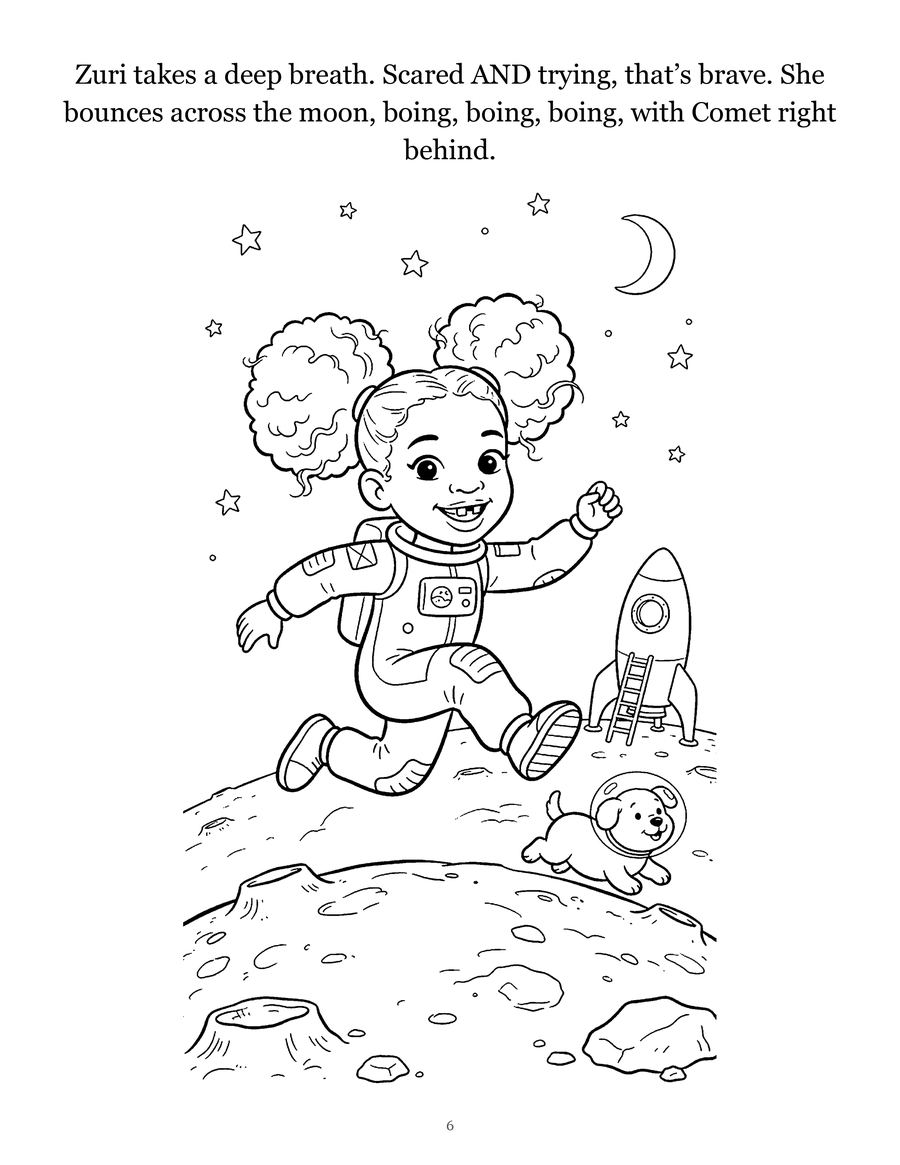
When do toddlers learn colors? Ages, mix-ups and how to help
Most toddlers know one color by 30 months and name a few by 4, per the CDC. Why color words come slowly, why mix-ups are normal, and easy ways to help.
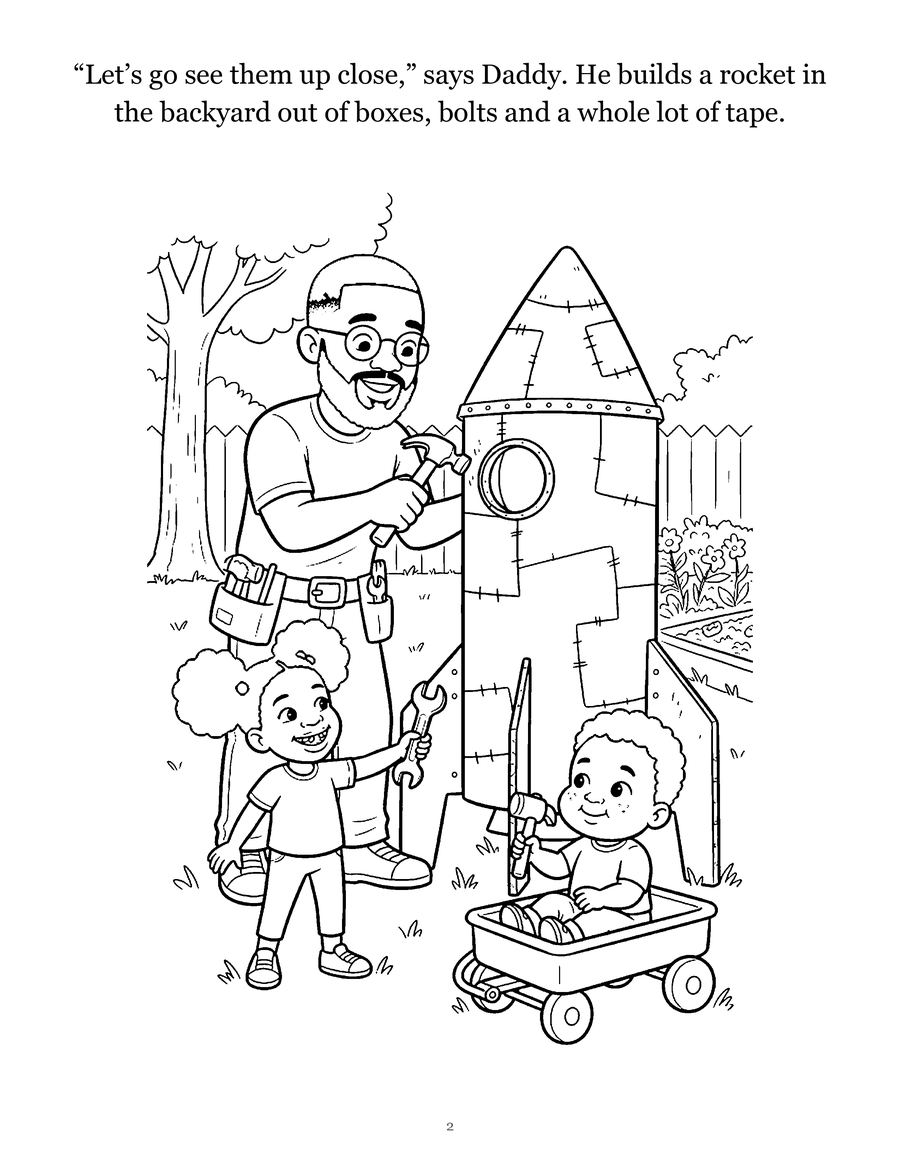
When can toddlers start coloring? Ages, grips and first steps
Most kids scribble by 18 months, copy a circle around 3 and hold a crayon in their fingers by 4. What to expect at each age and how to start.